
Agustina Arumsari, Technocratism, and a Fresh Wind of Reform at BGN
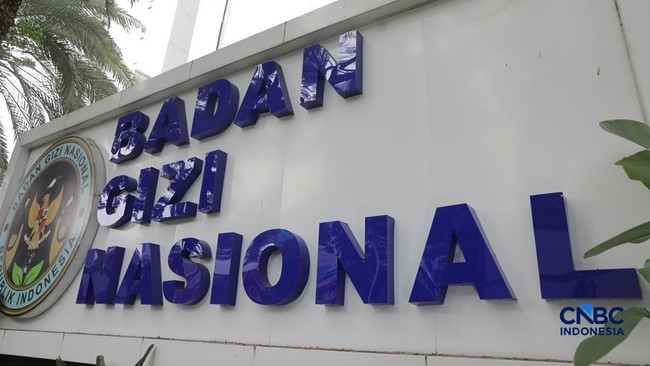
After a monitoring and evaluation process lasting approximately one and a half years, President Prabowo Subianto has decided to refresh the leadership of the National Nutrition Agency (BGN). This is a measure to strengthen institutional governance whilst accelerating the implementation of strategic programmes in the field of public nutrition.
The decision on the BGN leadership change was announced by Minister of State Secretary Prasetyo Hadi during a press statement in the Cabinet Meeting Room at the Presidential Palace complex in Jakarta. On that occasion, Prasetyo was accompanied by Head of the Presidential Communication Office Muhammad Qodari and Cabinet Secretary Teddy Indra Wijaya.
In the new leadership structure, the President appointed Nanik S. Deyang as Head of the National Nutrition Agency. She will be assisted by Agustina Arumsari and Major General TNI Trenggono, who have been entrusted with the duties of Deputy Heads of BGN. This change is expected to strengthen organisational capacity, improve the effectiveness of inter-agency coordination, and accelerate the achievement of national nutrition development targets.
The new leadership is expected to drive the implementation of the Free Nutritious Meal (MBG) programme and various agendas to improve the quality of public nutrition more effectively, on target, transparently, and accountably. Amidst increasingly complex challenges in meeting national nutrition needs, strengthening the BGN institution is considered a crucial factor to ensure that every policy intervention delivers real impact for improving the quality of Indonesia’s human resources.
When information about the BGN leadership change first surfaced in the public sphere via social media, the response was not merely one of attention but also appreciation. Many quarters viewed Prabowo’s decision as a form of government seriousness in evaluating the MBG programme which has been running for about 18 months. The appreciation is understandable because the public discerned a message that strategic national programmes are not immune to evaluation. Amidst high public expectations for MBG, the leadership change demonstrates that the government is willing to make corrections and improvements when various challenges are encountered in policy implementation.
Looking at the previous BGN leadership, there was no small amount of miscommunication between BGN leaders and the public. Various policies issued often sparked polemics due to weak public communication. In reality, many government programmes essentially have good and noble objectives. However, these objectives often fail to be fully understood by the public due to a lack of explanations, message inconsistency, and a lack of transparency in information delivery. Furthermore, the people have long been restraining their anger, disappointment, and suspicions that something was amiss in the management of the MBG programme.
The Attorney General’s Office eventually revealed that the alleged corruption case within the National Nutrition Agency had entered a new chapter. Former BGN Head Dadan Hindayana, along with two former Deputy Heads of BGN, Lodewijk Pusung and Sony Sonjayaresmi, were detained after undergoing intensive examinations in Jakarta on Wednesday, 3 June 2026. This alleged corruption is not merely a legal matter ensnaring several officials. More than that, this case represents a severe blow to public trust in a programme originally championed to improve the nutritional quality of the nation’s children. These actions not only injured the trust placed by Prabowo but also constitute a betrayal of the people.
Beyond the appointment of Nanik S. Deyang as BGN head, attention from academic circles has also been drawn to the inclusion of Agustina Arumsari as Deputy Head of BGN. Previously, Agustina served as Deputy Head of the Financial and Development Supervisory Agency (BPKP), an institution that has a strategic role in internal government oversight and strengthening public sector governance. Agustina’s presence can be interpreted as a strong signal that the government is not only focusing on accelerating the MBG programme but also on strengthening aspects of governance, accountability, and oversight.
Agustina is not merely a bureaucrat who occupied a structural position at the BPKP; she is also a technocrat with a long track record as an investigative auditor involved in various efforts to strengthen the government’s internal control system, risk mitigation, and accountability in state financial management. This experience is crucial capital to ensure that MBG governance is not only oriented towards budget absorption and achieving beneficiary targets, but also towards the effectiveness, efficiency, and integrity of its implementation.
Borrowing a term commonly used in the audit world, ‘tone at the top’, which refers to the commitment, attitude, values, and example set by an organisation’s top leadership in building a culture of integrity, accountability, and compliance. Therefore, placing a figure with a supervisory background in a BGN leadership position is a relevant step for the challenges facing the MBG programme. The programme, involving large budgets, complex supply chains, and cross-regional execution, requires a strong oversight system so that various potential risks can be identified and addressed early on. As such, Agustina’s presence in the BGN leadership ranks is expected to strengthen the governance function.