
Agrinas Projects 10,000 Workers Needed for Palm Oil Plantations
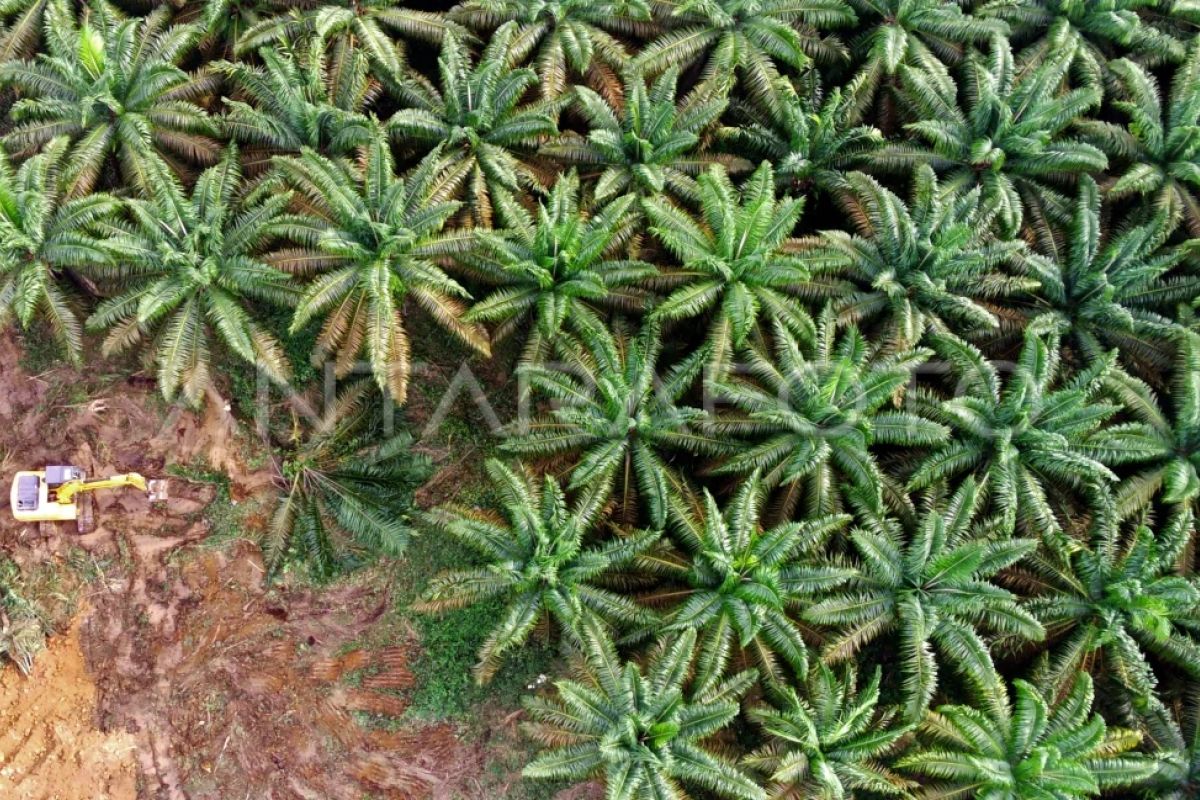
PT Agrinas Palma Nusantara (Persero) projects a requirement for more than 10,000 workers during the initial stage of its operational transformation to support the management of palm oil plantations resulting from forest area regularisation.
In an official statement in Jakarta on Friday, Agrinas Palma Nusantara stated that the labour requirement includes supervisors and operational functions to support professional plantation management, including personnel tasked with crop recovery and replanting oil palms.
This move is expected to create new employment opportunities, improve the welfare of communities surrounding the plantation areas, and accelerate the productivity of state assets.
Agrinas Palma Nusantara is a State-Owned Enterprise (BUMN) mandated to manage plantation areas resulting from the regularisation efforts of the Forest Area Regularisation Task Force (Satgas PKH).
The company is committed to ensuring that plantation management not only increases productivity but also provides legal certainty, protection, and economic benefits for the local community.
To support these efforts, Agrinas Palma Nusantara is partnering with the Ministry of Cooperatives to develop a cooperative-based agribusiness ecosystem.
This commitment was marked by the signing of a Memorandum of Understanding (MoU) between the President Director of PT Agrinas Palma Nusantara, Mohammad Abdul Ghani, and the Minister of Cooperatives, Ferry Juliantono, at the Ministry of Cooperatives Office in Jakarta on Thursday (2/7).
President Director of PT Agrinas Palma Nusantara, Mohammad Abdul Ghani, stated that this collaboration is part of the company’s transformation in executing its state mandate through productive and sustainable plantation asset management that provides direct benefits to the public.
“Through cooperative partnerships, the community will have the opportunity to be directly involved in professional plantation management, ensuring that economic benefits can be felt sustainably,” said Abdul Ghani.
Meanwhile, Minister of Cooperatives Ferry Juliantono stated that the cooperation is part of an effort to build a stronger, more modern, and sustainable cooperative-based palm oil plantation ecosystem.
“We want to build a cooperative-based palm oil plantation ecosystem, where Agrinas Palma Nusantara serves as the core and cooperatives act as professional strategic partners,” said Ferry.
He added that in the future, cooperatives will not only play a role in plantation management but will also be encouraged to enter the processing industry and downstream products so that added value can be enjoyed by farmers and the community.
Through this collaboration, the Ministry of Cooperatives and Agrinas Palma Nusantara will work together to resolve various issues regarding the governance of smallholder plantations, particularly community palm oil plantations located within forest areas.
Joint verification will serve as the basis for the formation and strengthening of cooperatives as strategic partners of the company in professional, transparent, and sustainable plantation management.
In its implementation, cooperatives will be involved in operational plantation management, ranging from crop maintenance and harvesting to the transportation of production results.
Agrinas Palma Nusantara also stated that it will provide technical assistance, governance strengthening, human resource capacity building, and management coaching to ensure cooperatives can develop into professional and independent business partners.