
Agrinas Palma strengthens cooperation on green energy development
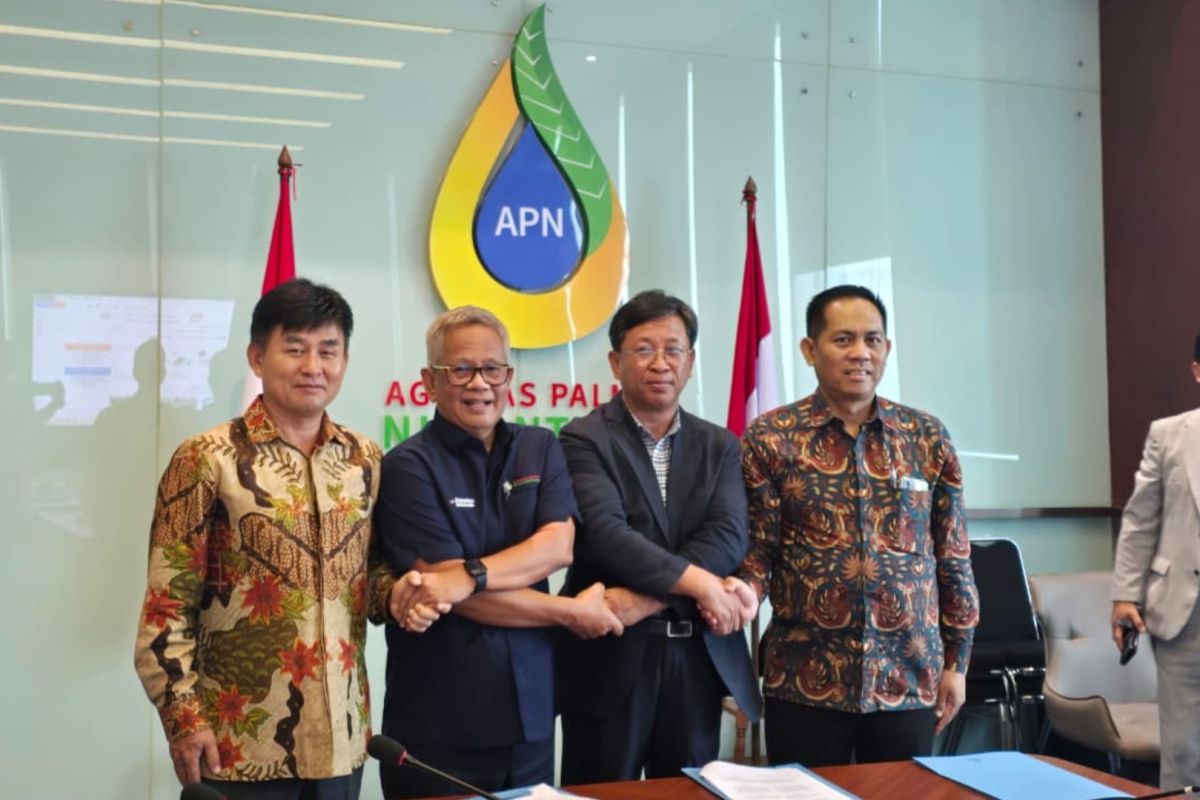
State-owned enterprise PT Agrinas Palma Nusantara (Persero) is strengthening efforts to develop green energy through strategic cooperation, including with a South Korean consortium. President Director Mohammad Abdul Ghani stated in Jakarta on Wednesday that the initiative aligns with the company’s commitment to implementing sustainability principles while increasing the added value of the national plantation sector. The collaboration focuses on the utilisation of palm oil biomass, the development of renewable energy, and the downstream processing of value-added plantation products. The cooperation was discussed during a business meeting in Jakarta attended by management from both sides. The partner side included President Director of PT Astrum Dunia Inovasi Park Geoungduk, President Director of Hwasung Tech-Win Co., Ltd. Lim Daetaeg, and President Director of PT Siborong Nusa Gemilang Tommy Julius R. L. During the meeting, both parties discussed cooperation on utilising palm oil biomass, particularly empty fruit bunches (EFB), to be processed into various value-added products such as biochar, biopellets, carbon-based fertiliser, and biodiesel. “The development of green energy and the utilisation of biomass are part of Agrinas Palma’s efforts to create a business that is not only economically productive but also provides benefits for the environment and society,” he said. According to Ghani, Agrinas Palma is open to broader collaboration opportunities with international partners, ranging from plantation management to the development of export-oriented downstream products. The presence of technology and experience from the Korean partners is expected to strengthen the company’s transformation into a modern, globally competitive agro-industry. The South Korean consortium presented several biomass processing technologies that can be integrated with Agrinas Palma’s palm oil processing facilities. In addition to producing renewable energy products and environmentally friendly materials, the development also has the potential to support carbon trading schemes and emission reductions. As a follow-up, both parties will conduct technical information exchanges, draft a cooperation proposal, and carry out a feasibility study to identify the most optimal business model that benefits both sides. This exploratory cooperation marks an initial step for Agrinas Palma Nusantara in strengthening international partnerships while supporting the agenda of plantation downstreaming, energy transition, and sustainable green economic development.