
Agrinas Palma and Pertamina Accelerate Integrated Bioenergy Development
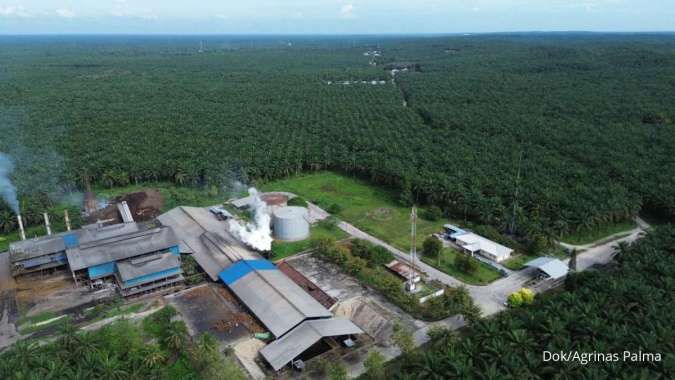
PT Agrinas Palma Nusantara is committed to establishing an integrated bioenergy ecosystem by strengthening collaborations. This step is expected to accelerate the downstreaming of the plantation sector, increase the added value of national commodities, and strengthen energy resilience and independence.
Specifically, Agrinas Palma, alongside PT Pertamina and PT Pertamina Power Indonesia, will collaborate on the development of integrated bioenergy from upstream to downstream. The three parties have met with the Ministry of Investment and Downstreaming/Head of the Investment Coordinating Board (BKPM) to discuss this initiative.
The expansion of this integrated bioenergy cooperation covers raw material provision, processing facilities, energy infrastructure, logistics and distribution, and guaranteed product absorption.
The President Director of PT Agrinas Palma Nusantara, Mohammad Abdul Ghani, stated that the company possesses significant upstream assets that can be collaborated with Pertamina. These assets include land, plantations, production facilities, and raw material availability.
“Agrinas Palma is ready to play a role on the upstream side by ensuring the sustainable availability of raw materials. This collaboration is expected to form an integrated bioenergy ecosystem, ranging from plantations and processing facilities to supporting infrastructure and product absorption,” Ghani said in a statement on Thursday (10/09/2026).
The Deputy Minister of Investment and Downstreaming/Deputy Head of BKPM, Todotua Pasaribu, requested that synergy between State-Owned Enterprises (SOEs) does not stop at a memorandum of understanding. The collaboration between Agrinas Palma Nusantara and Pertamina must be quickly realised into concrete projects that provide economic value, improve supply chain efficiency, and strengthen national energy security.
One priority project is the reactivation of the Bayas Biofuels Plant in Indragiri Hulu Regency, Riau. This facility has a production capacity of approximately 600,000 tonnes of FAME (Fatty Acid Methyl Ester) per year.
If realised, this project will expand the role of SOEs in the national biodiesel supply chain. Furthermore, the presence of supply sources from within the SOE ecosystem is expected to support the more sustainable availability of biofuels.
In addition to biodiesel, Agrinas Palma and Pertamina are discussing the development of an integrated bioethanol ecosystem in East Kalimantan. This development will connect cassava plantations with processing facilities, energy provision, logistics, and product absorption.
The cooperation between the two companies will also be expanded. Beyond bioenergy, the scope includes investment, raw material provision, utilisation of by-products, power generation, sustainability aspects, logistics and distribution, research and technology, and product absorption.
Moving forward, Pertamina and Agrinas Palma will finalise the expansion of the memorandum of understanding and accelerate technical and business studies for projects deemed ready for execution.