
Agriculture Ministry Tightens Surveillance of Illegal Pesticides on E-Commerce
JAKARTA — The Ministry of Agriculture (Kementan) is tightening surveillance of pesticide circulation, including products marketed through e-commerce platforms. The move aims to suppress the circulation of illegal and counterfeit pesticides that could harm farmers and undermine food safety.
The ministry is currently revising the Minister of Agriculture Regulation (Permentan) on fertiliser and pesticide supervision. The revision is partly directed at adjusting oversight mechanisms to developments in digital commerce.
Nelson Metubun, Director of Pesticides at the ministry’s Directorate General of Agricultural Infrastructure and Facilities (PSP), said the growth of e-commerce has made it easier for farmers to obtain production inputs. However, it has also opened the door to pesticides circulating without permits.
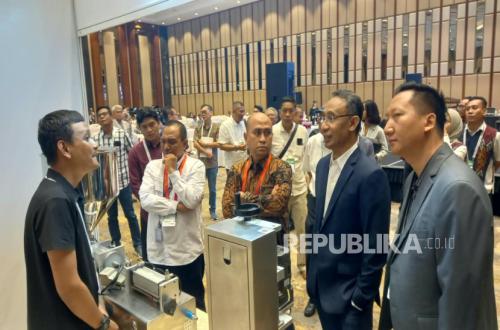
“We need updated regulations that can keep pace with the dynamics of pesticide circulation on the ground. The revision focuses on two main points: supervision of sales on e-commerce and tightening post-border mechanisms at major ports such as Jakarta, Surabaya and Medan,” Nelson said at the AgrochemBiz Show Indonesia 2026 forum in Jakarta on Tuesday (15/9/2026).
According to him, post-border supervision — the inspection of goods after they leave the customs area — is important because pesticide raw materials fall into the category of hazardous substances. Stricter oversight is needed to ensure that circulating products meet safety requirements and hold the appropriate permits.
The measures are expected not only to protect farmers from illegal products but also to safeguard the quality of agricultural produce and food safety.
Separately, the ministry is ensuring pesticide availability to support programmes aimed at boosting agricultural production. To underpin national strategic programmes, including paddy field creation and land optimisation, the government has distributed a buffer stock of around 5.9 million litres of pesticide to farmer groups and protection centres across various regions of Indonesia.
Supervision is also directed at producers and distribution permit holders. The government has affirmed that it will impose sanctions on businesses that fail to comply with the rules.
Indra Zakariya Rayusman, Head of the Centre for Plant Variety Protection and Agricultural Licensing, said pesticides are substances whose use requires strict oversight. For that reason, the government is evaluating distribution permit holders who fail to meet regulatory commitments or testing requirements.
“Pesticides are hazardous substances whose supervision must be strict. For permit holders who do not meet regulatory commitments or whose testing validity has expired, we will conduct a joint evaluation and impose administrative sanctions in the form of permit revocation,” Indra said.
Tighter supervision is considered important to create healthy competition in the pesticide industry. Illegal and counterfeit products not only risk harming farmers but can also create unhealthy price competition with producers who have met standards and licensing requirements.
The ministry is also encouraging industry involvement in building a better crop protection ecosystem. Collaboration between the government, domestic producers, international suppliers, academics and businesses is deemed necessary to ensure the availability of safe, quality pesticides.
The issue was among the topics discussed at the AgrochemBiz Show Indonesia 2026, organised by the Indonesian Pesticide Producers Association (APROPI) and AgrochemBIZ on 15–16 September 2026.
The forum carried the theme “Providing Quality Pesticides to Drive Food Quality” and brought together regulators, producers, suppliers and academics.
The government hopes that strengthened supervision, including across digital channels and points of entry for imported goods, will curb the circulation of illegal pesticides while reinforcing the national pesticide industry.
With tighter oversight and the availability of standards-compliant products, farmers are expected to gain access to safe, quality crop protection inputs to support agricultural productivity and food security.
Source: jawawa.id (https://jawawa.id/newsitem/agriculture-ministry-tightens-surveillance-of-illegal-pesticides-on-e-commerce-1789469629)
Originally published by Republika (https://ekonomi.republika.co.id/berita/tleigz522/kementan-perketat-pengawasan-pestisida-ilegal-di-ecommerce), translated from Indonesian