
Agriculture Ministry Prepares Water Security Measures to Anticipate El Niño Threat
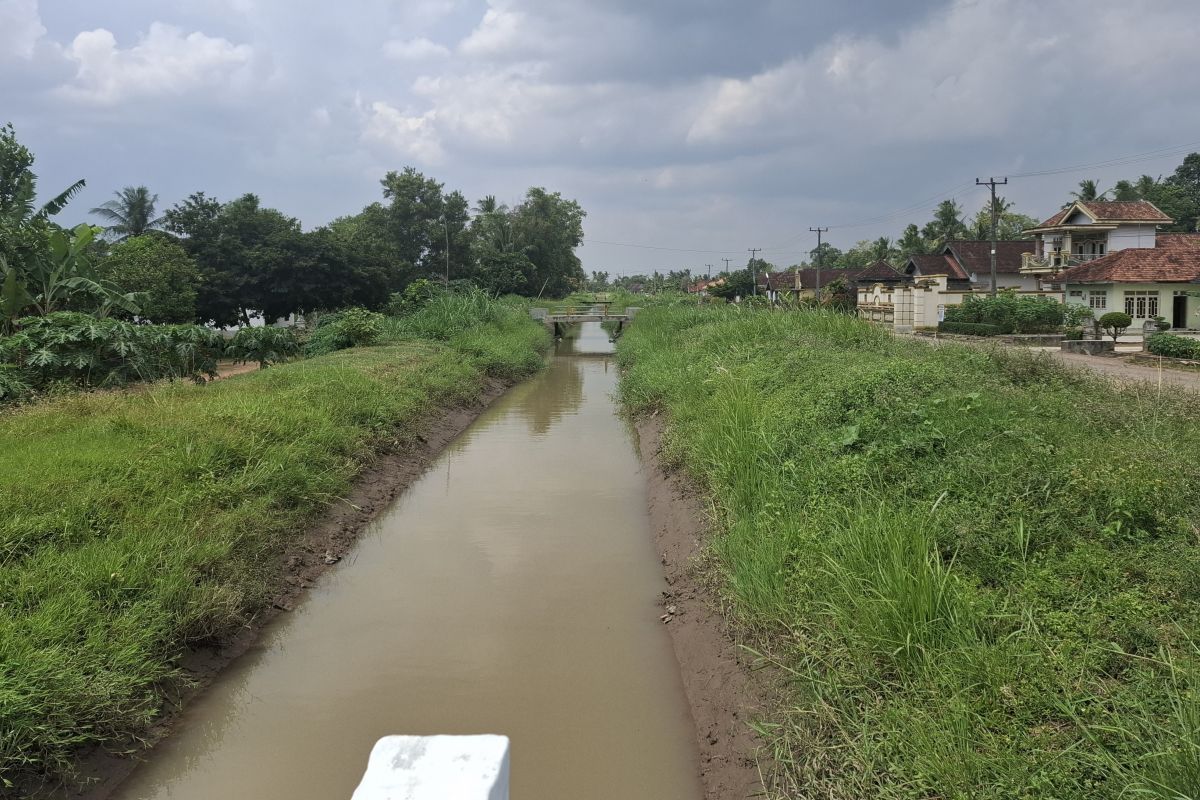
The Ministry of Agriculture is preparing a strategy to secure water resources and strengthen irrigation infrastructure to ensure rice production is maintained, while also targeting a production increase of 1 million tonnes by 2026. Secretary of the Directorate General of Land and Agricultural Irrigation at the Ministry, Dhani Gartina, stated in Jakarta on Thursday that the government is working to sustain the production gains achieved in 2025 through various strategies, ranging from intensification of existing agricultural land to expanding planting areas via extensification programmes. Speaking during a webinar titled “Maintaining Food Production When El Nino Arrives”, he noted that the El Nino phenomenon and drought are predicted to affect several national agricultural regions, making water availability for farmland a primary focus for the Ministry. “Through the Directorate General of Land and Agricultural Irrigation, various water resource development programmes continue to be strengthened, including through collaboration with the Directorate General of Water Resources at the Ministry of Public Works,” he said. Various programmes have been prepared to support water availability, including the rehabilitation of tertiary irrigation networks, construction of pumping irrigation, piped irrigation, small reservoirs, check dams, and the development of alternative water sources. These programmes are also directed at increasing the cropping index, particularly on rain-fed rice fields that currently only allow one planting season per year. Through the construction of better irrigation systems, rain-fed land is expected to receive a sustainable water supply, thereby increasing planting frequency and farmer productivity. “We hope that with these activities, land that previously only had one planting season can increase to two, and then those with two can achieve three planting seasons. So there is an increase in the cropping index,” he said. For 2026, the government has prepared a large-scale distribution of water infrastructure, including the construction of around 15,000 pumping irrigation units, 3,000 piped irrigation units, and 3,000 water conservation structures focused on rice production centres and drought-prone areas. In addition to infrastructure development, the Directorate General has mapped groundwater basins, surface water sources, irrigated rice fields, and drought-prone land to ensure interventions are accurately targeted. “The strategy to face drought is not only carried out through physical construction, but also through anticipatory, adaptive, and mitigative approaches,” Dhani said. Anticipatory measures include strengthening planting season planning, providing production inputs, and building water infrastructure. Adaptation strategies involve implementing water-saving planting patterns, using drought-resistant rice varieties, and more efficient land management. Mitigation steps are carried out through agricultural insurance programmes, production risk management, and government assistance in the form of water pumps, pumping irrigation, and piped irrigation. To strengthen preparedness for the dry season, the Ministry is also mapping drought-prone areas, inventorying rehabilitation and improvement needs for irrigation networks, and identifying potential water sources for alternative irrigation that can be utilised during the dry season, such as dams, rivers, springs, and groundwater. Meanwhile, state-owned fertiliser company PT Pupuk Indonesia has affirmed its commitment to supporting the national food self-sufficiency programme by ensuring the availability of subsidised fertilisers and increasing agricultural productivity. Vice President of Stakeholder Management at PT Pupuk Indonesia, Susatyo Jati, said the company is ensuring the readiness of subsidised fertiliser supplies in accordance with the allocation set by the government. For 2026, the subsidised fertiliser allocation for the agricultural sector reaches 9.5 million tonnes, comprising 4.45 million tonnes of urea, 4.5 million tonnes of NPK, 500,000 tonnes of ZA, and organic fertiliser. “We continue to maintain our production capacity and plant health to meet the allocation set by the government,” Susatyo said. Currently, Pupuk Indonesia’s production capacity reaches 8.8 million tonnes for urea, 4.6 million tonnes for NPK, and around 1.5 million tonnes for other fertiliser products. This capacity is expected to guarantee the availability of fertiliser in the right quantity and at the right time for farmers across Indonesia. As of 31 May 2026, the distribution of subsidised fertiliser had reached approximately 4 million tonnes, equivalent to 45.17 percent of the contracted amount or about 41 percent of the total allocation set by the government through the Ministry of Agriculture. With this achievement, the realisation of distribution in 2026 has the potential to surpass the previous year’s performance. In anticipation of the potential El Niño, Pupuk Indonesia has also prepared fertiliser stocks in various regions. As of 8 June 2026, total fertiliser stocks across Indonesia reached 1.17 million tonnes, consisting of 836,000 tonnes of subsidised fertiliser and 338,000 tonnes of non-subsidised fertiliser. This amount is estimated to be sufficient for the next 23 days, with an average daily redemption rate of around 37,000 tonnes, while production activities continue to ensure supply is maintained.