
Agriculture Ministry deploys wells and 16 pumps to tackle drought in Subang
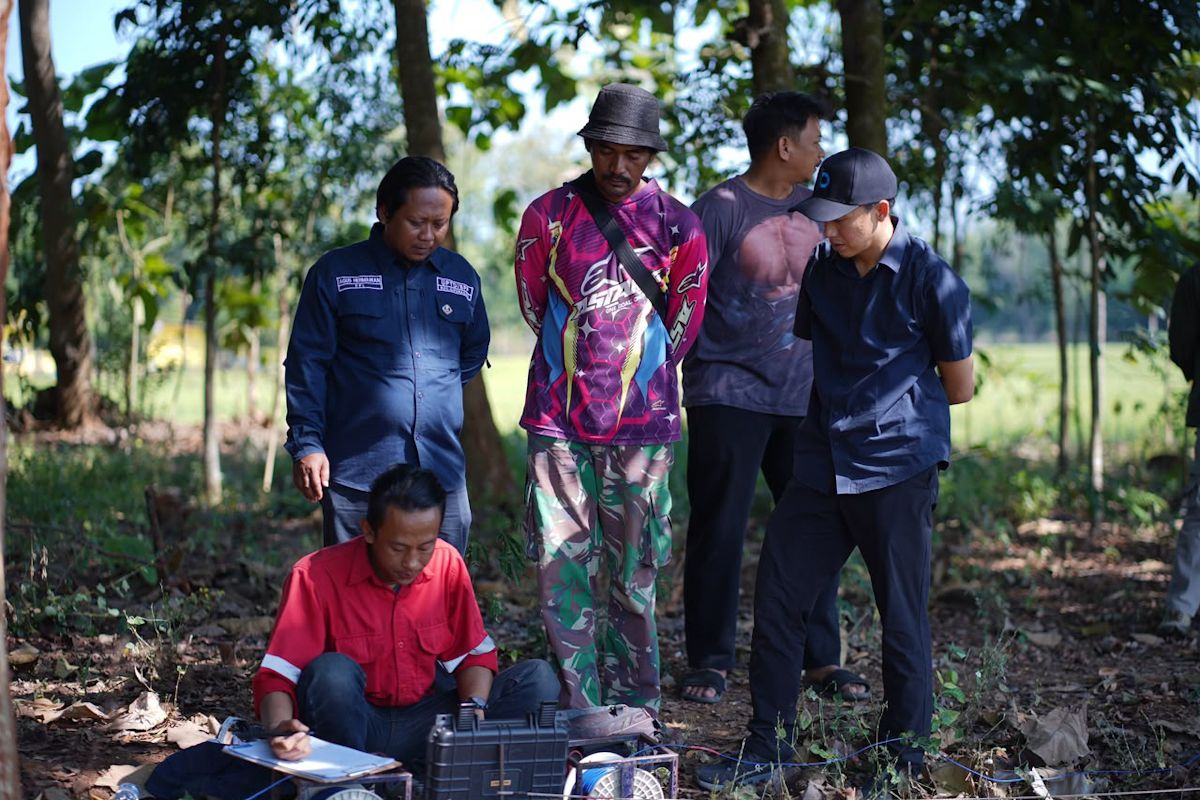
The Ministry of Agriculture has deployed a submersible well and 16 irrigation pumps in Subang Regency, West Java, to tackle drought, maintain water supply for paddy fields, and secure rice production during the dry season. Agriculture Minister Andi Amran Sulaiman stated that the ministry is moving quickly to address the threat of drought that has begun to hit several rice production centres in Subang Regency. To maintain water supply for agricultural land and secure rice production, the ministry, through the Directorate General of Agricultural Land and Irrigation, has executed the drilling of a submersible well and readied 16 irrigation pump units for distribution across six affected subdistricts. Amran has instructed all ministry ranks to strengthen mitigation efforts in facing the dry season, emphasising that every drought report must be followed up immediately to prevent crop failure that could disrupt agricultural productivity and hinder efforts to achieve food self-sufficiency. Following the directive, the directorate general deployed a team to Subang Regency to conduct surveys in affected areas. After mapping groundwater potential through geoelectric surveys, the team, together with field extension officers, drilled a submersible well in Manyingsal Village, Cipunagara Subdistrict. The well is expected to provide a new water source for rain-fed paddy fields previously not served by irrigation networks. A local extension officer expressed appreciation for the ministry’s swift response, while a farmer noted that the drought had become severe as existing boreholes had dried up. The Bandung Agricultural Land and Irrigation Management Office responded within 24 hours of receiving reports, deploying geoelectric equipment to locate new water sources. In addition to the well in Cipunagara, the ministry is distributing 16 irrigation pumps across six subdistricts, including deep groundwater irrigation pumps in Pusakanagara, Patok Besi, and Blanakan, with all proposals undergoing administrative verification to ensure proper targeting. The ministry emphasised that these anticipatory measures demonstrate the state’s commitment to providing rapid solutions for farmers facing the impacts of climate change, with strengthened water infrastructure and accelerated field responses aimed at maintaining agricultural productivity, securing harvests, and supporting sustainable food self-sufficiency.