
Agriculture Ministry backs the replanting of 754 hectares of cashew orchards in Dompu
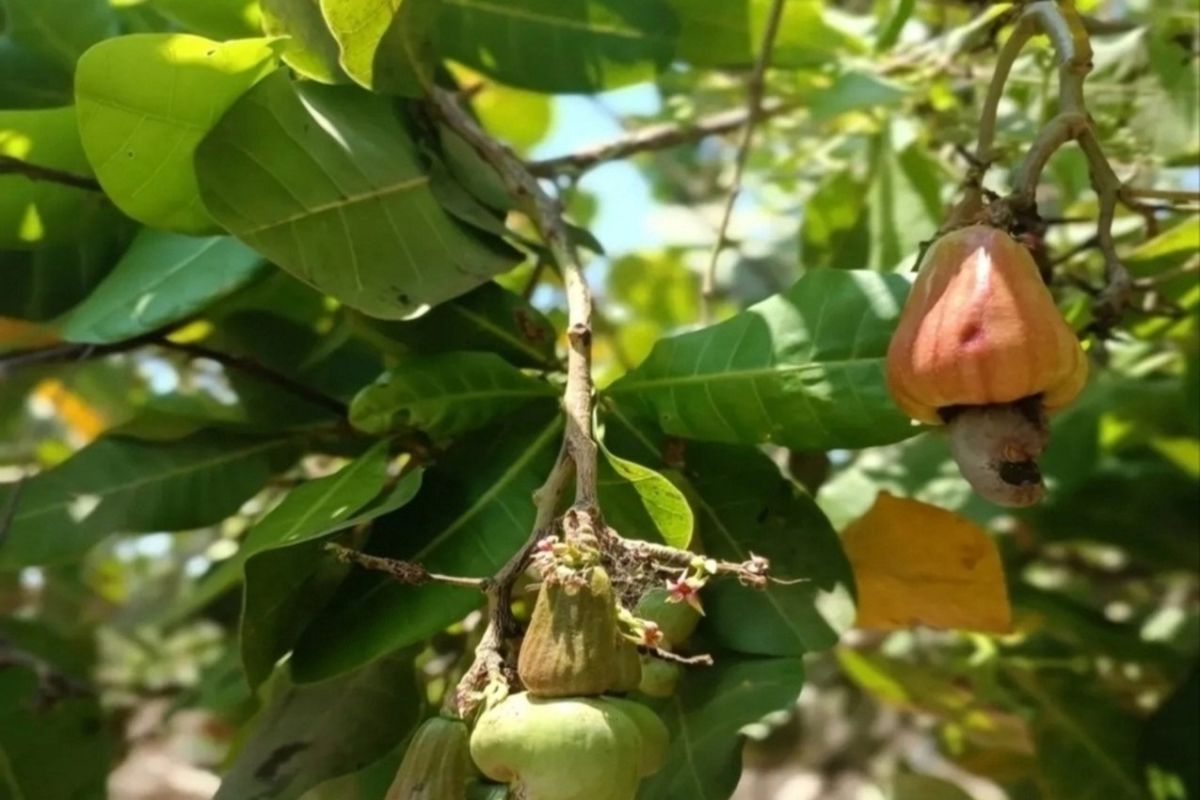
Dompu (ANTARA) – The Agriculture Ministry is supporting a programme to replant 754 hectares of cashew trees in Dompu regency, West Nusa Tenggara, in 2026, with the aim of increasing plantation productivity and strengthening farmers’ incomes.
Assyadat, head of the Plantation Division at the Dompu Agriculture and Plantation Agency, said the programme had been allocated to farmer groups and would provide seedlings, fertiliser and technical assistance.
“We have received an allocation of 754 hectares for cashew replanting, distributed among farmer groups in four sub-districts: Pekat, Kempo, Manggelewa and Pajo,” he told ANTARA in Dompu on Friday.
Assyadat said Pekat would receive 377.1 hectares, covering Nangamiro and Kadindi villages. Kempo would receive 117 hectares in Tolo Kalo and Songgaja villages.
Manggelewa would receive 210 hectares across five villages: Kampasi Meci, Tanju, Banggo, Sukadamai and Naga Tumpu. In Pajo, 49.9 hectares in Woko village are included.
The programme involves the Surabaya Centre for Estate Crop Seed and Plant Protection (BBPPTP).
“Farmer groups being considered for the programme are currently completing the administrative requirements before implementation,” he said.
He explained that replanting was necessary because some cashew trees in Dompu had grown old and their productivity had fallen. Plant diseases and limited replanting have also made it difficult to maintain farmers’ harvests.
Cashews were previously one of Dompu’s main plantation commodities, particularly in several transmigration areas. However, falling orchard productivity means the crop needs renewed planting and better management.
Some farmers have shifted to seasonal crops, including maize, which can provide returns in a relatively shorter time. This presents a challenge to the long-term viability of cashew farming, as the trees take time to produce again after replanting.
Assyadat said he hoped the programme would restore orchard productivity and strengthen cashews’ role as a source of income for farmers in Dompu.
He said the programme’s success would depend not only on planting new seedlings but also on maintaining the trees until they became productive. Technical assistance would therefore be an important part of the replanting effort.
“While cashew trees are not yet producing, farmers can use the land to grow suitable intercrops. This can help maintain their income during the trees’ growth period,” he said.
Land use could also be combined with livestock farming where conditions in the orchards and farmers’ resources allowed. Diversifying their activities is expected to help farmers reduce their dependence on a single source of income.
The local government hopes the replanting support will encourage sustainable management of cashew plantations. With more productive trees and good maintenance, the crop is expected to deliver greater economic benefits to farmers once again.