
Agriculture Ministry accelerates new paddy field development programme in Papua
The Ministry of Agriculture is accelerating the new paddy field printing programme, which transforms non-productive areas into rice fields ready for planting, as part of a strategy to strengthen national food self-sufficiency.
Deputy Minister of Agriculture Sudaryono stated that one of the priority regions is Papua, where the government is developing community-based agricultural areas to increase production and local prosperity.
“In Papua, the government is building paddy fields for the Papuan people themselves. We do not want our brothers and sisters in Papua to continue living in limitations. The government is present by building rice fields, providing agricultural tools and machinery, seeds, and assistance so they can improve their welfare,” said Deputy Minister Sudarylo, speaking in Batam on Monday.
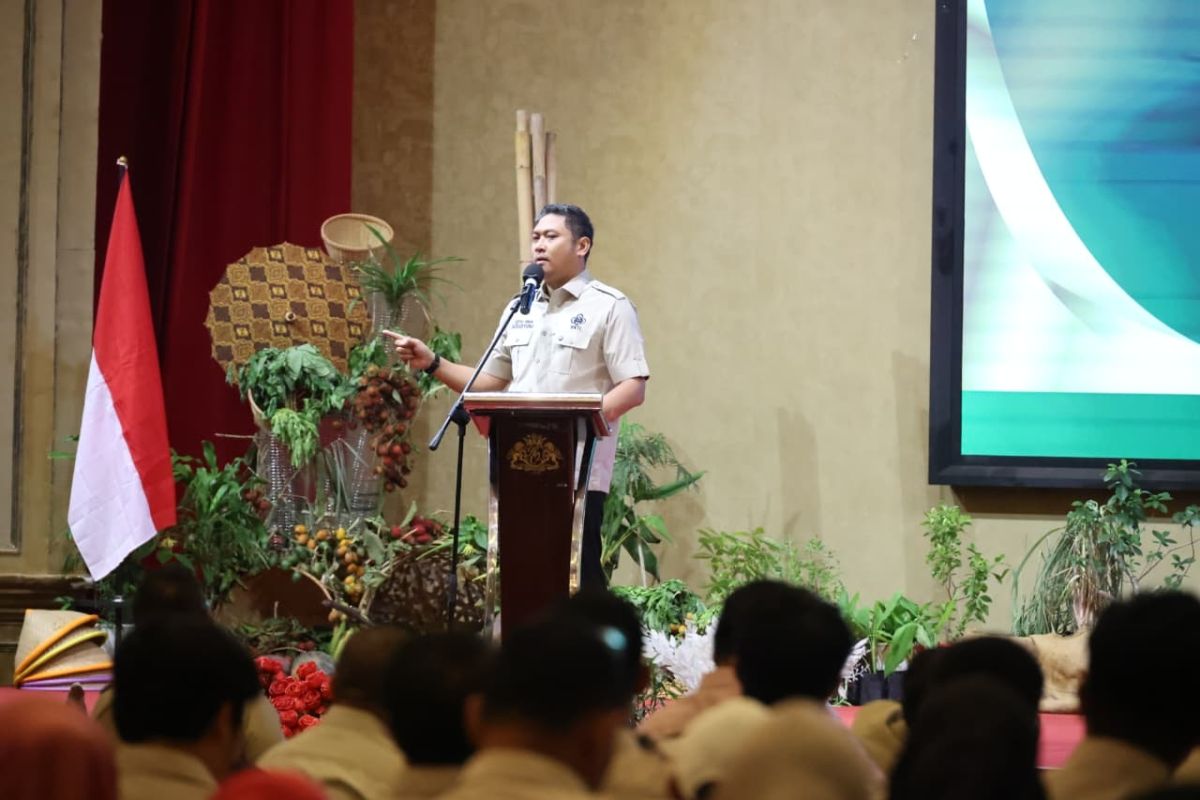
He explained the programme during the inauguration ceremony of the Regional Leadership Council of the Indonesian Farmers’ Harmony Association (DPD HKTI) for the Riau Islands in Batam.
The Deputy Minister also emphasised that the paddy field programme in Papua is a form of government support for local communities, enabling them to produce food independently while gaining greater economic benefits.
“If anyone says this programme is not beneficial to the community, please see for yourselves. Many Papuan people are harvesting today and enjoying the results of agricultural development. What is happening is a harvest festival, not any other narrative,” he asserted.
As part of its support for farmers at the national level, the Ministry of Agriculture is also undertaking a major reform in the management of subsidised fertilisers.
For years, farmers have faced fertiliser distribution issues due to complex regulations and lengthy bureaucracy, he noted.
“Previously, fertiliser was hindered by many rules, so farmers often received fertiliser after the planting season had passed. Now, regulations have been simplified under the President’s direction. Fertiliser goes directly from the factory to the farmers, making it faster, easier, and even potentially reducing prices,” said Sudaryono.
According to him, the simplification of regulations has made fertiliser distribution more efficient while simultaneously reducing production costs for farmers.
“Now, a new financing scheme allows the fertiliser industry to obtain better capital support, ensuring a more guaranteed national fertiliser supply,” he added.