
Agriculture Minister states palm oil farmers' activity rises alongside CPO allocation for B50 programme
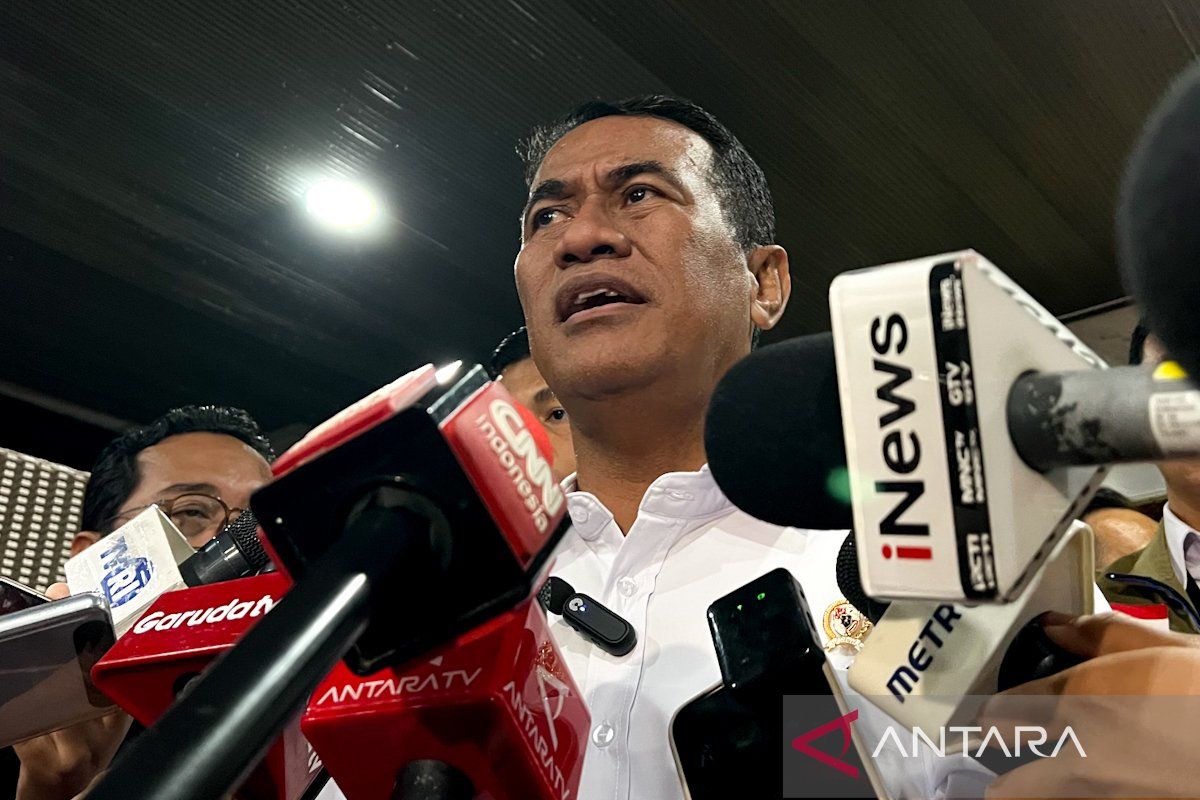
Jakarta (ANTARA) - Agriculture Minister Andi Amran Sulaiman stated that the activity of palm oil farmers is increasing alongside the allocation of a portion of crude palm oil (CPO) for the mandatory Biodiesel 50 (B50) programme starting 1 July 2026 to strengthen energy resilience and the plantation sector’s economy.
Meeting after a working meeting with Commission IV of the House of Representatives (DPR RI) in Jakarta on Tuesday, Amran explained that the policy allows Indonesia to no longer import diesel this year by utilising around 5.3 million tonnes of CPO for domestic energy needs.
“We use our CPO for B50 biofuel diesel. It turns out that after we stop importing diesel and reduce our CPO exports from 26 million to 21 million tonnes, our farmers have taken advantage of the heating geopolitical situation so that our production and exports have risen by 6 million tonnes,” said the Minister.
According to the Minister, the CPO diversion step was initially estimated to lower export volumes, from around 26 million tonnes to 21 million tonnes in the initial policy calculations.
However, the heating global geopolitical situation has instead driven up plantation commodity prices, prompting farmers to increase production and optimally utilise market opportunities.
As a result, Indonesia’s CPO exports have significantly increased to around 32 million tonnes, or up by about 6 million tonnes compared to before the biofuel diversion policy was implemented.
“Our exports have instead risen to 32 million tonnes. So we have made good use of it, our farmers have made good use of the heating geopolitical situation because plantation commodity prices have risen quite high,” he said.
The Minister added that this export increase has a significant economic impact, with the agriculture sector adding around Rp160 trillion in foreign exchange and a reduction in imports of about Rp41 trillion for Indonesia.
He explained that Indonesia, as the world’s largest CPO producer, controls around 60 per cent of the global market, with initial exports of around 26 million tonnes before a portion was diverted for domestic energy needs.
He noted that around 5.3 million tonnes of CPO are diverted into biofuel to stop diesel imports, thus benefiting the country through foreign exchange savings while supporting national energy independence.
This step also has a positive impact on palm oil farmers due to the rise in global CPO prices, thereby increasing their income and welfare as an important part of the national plantation sector.
According to the Minister, the policy creates layered benefits, namely the country benefits from import savings, farmers get better prices, and the domestic energy industry becomes more independent and competitive.
He added that the price increase encourages farmers to boost productivity through better maintenance, so national production has increased by around 6 million tonnes during that period.
This production increase has led to rising exports that have instead surged to around 32 million tonnes, showing that diverting CPO for biofuel does not reduce national export performance.
On the other hand, the government continues to ensure that domestic needs are met first, including energy and food supplies, before channelling excess production for global export needs.
The Minister emphasised that the B50 policy has been fully realised, not just a plan, so Indonesia is able to stop diesel imports while simultaneously increasing exports and production.
He also responded to views from some parties suggesting a delay in B50 implementation, stressing that energy independence is more important amid the current global geopolitical dynamics.
According to him, production and export data show Indonesia’s ability to meet domestic needs while increasing exports, so concerns about supply are deemed unfounded.
He affirmed that this success is supported by data showing an export increase of up to 6 million tonnes, far exceeding the domestic needs for the biofuel programme of around 5.3 million tonnes.