
Agriculture Minister says crude palm oil will bolster national agricultural export performance
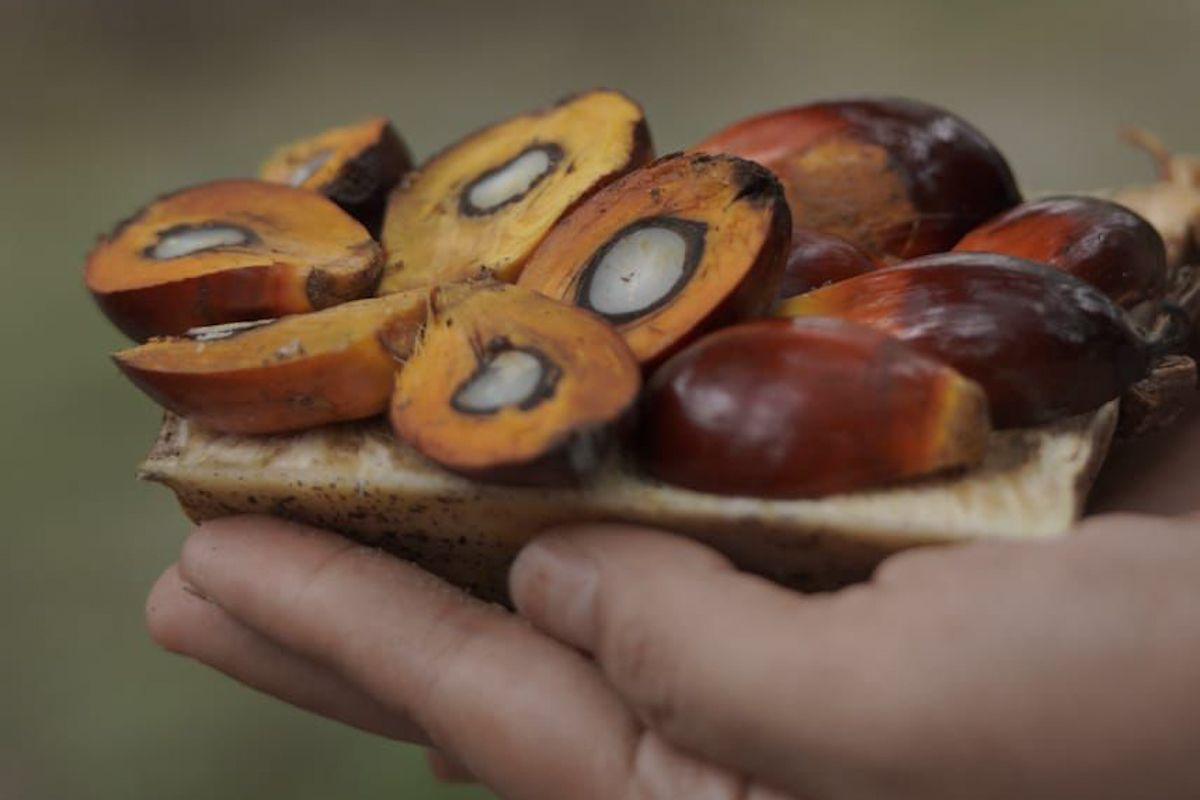
Jakarta — Agriculture Minister Andi Amran Sulaiman has said that crude palm oil (CPO) contributes to strengthening the performance of the national agricultural exports, while also supporting economic growth and foreign exchange earnings. ‘The increase in CPO exports also strengthens the overall performance of the national agricultural exports,’ the minister said in a statement in Jakarta on Saturday. He said this in line with President Prabowo Subianto’s assertion that Indonesia must take full control of national strategic commodities, especially palm oil, which has long been one of the main pillars of Indonesia’s economy at the world stage. As the world’s largest palm oil producer, Indonesia should no longer be in a position of following price determinations set by external parties. The statement was made by the President at the DPR RI plenary session, during the agenda on the Macro Economic Framework (MEF) and Core Principles of Fiscal Policy (PPKF) for the 2027 State Budget, in Jakarta, on Wednesday (20 May). The President highlighted the irony that Indonesia is the world’s largest palm oil producer, yet global price mechanisms are largely influenced by markets and other countries. According to the President, this must be changed soon. Indonesia must dare to determine the value of the commodities it produces. The statement is a strong message that the government intends to shift the old paradigm—from merely selling raw materials to a country that has bargaining power and control over national strategic commodities. The policy direction applies not only to palm oil, but to all of Indonesia’s strategic resources that must be managed in line with national interests. The Head of State also stressed that Indonesia’s natural resources are not mere commodities to be traded, but assets of the nation that must preserve their value for future generations. In light of this, Minister Amran said that palm oil holds a very important position in the national economy. The commodity not only sustains foreign exchange earnings but also provides livelihoods for millions of farmers, workers, traders, and regional economic activity. Its substantial contribution makes palm oil one of the nation’s strategic commodities, playing a major role in economic growth, trade, and strengthening Indonesia’s export balance. On the production side, the domestic palm oil industry continues to show strong performance. Indonesia’s total palm oil production currently stands at around 56 million tonnes, while exports of various processed forms of palm oil reach 32 million tonnes. According to Amran, these figures demonstrate Indonesia’s dominance in the global palm oil supply chain and reaffirm its position as a major player on the world stage. In line with the President and the Minister, Deputy Agriculture Minister Sudaryono said the current moment is a crucial point to restore Indonesia’s sovereignty over national commodities. According to Sudaryono, for years Indonesia has found itself in a position of accepting prices for its own produce. ‘For years, other countries have dictated the prices of Indonesia’s produce. Why should the price follow external rules?’ he said. ‘Now is the time to change. The Red-White Cabinet has been commanded. Prices for nickel, palm oil, coal, rubber, and even gold must be determined domestically,’ said the Deputy Minister. He added that if international markets do not accept Indonesia-determined prices, the nation should be bold in optimising domestic use and safeguarding resource reserves for the future. ‘If foreigners refuse to buy at our price, no problem. We will use it domestically. Let the remaining ore lie dormant underground. It is better than selling off cheaply,’ he asserted. He also emphasised that Indonesia’s natural wealth is a trust for future generations, so its management must be prudent and sovereign. ‘This natural wealth is a future loan for our children. Keeping agricultural and mining commodities secure means safeguarding national sovereignty. Let us tighten our ranks. We will realise economic self-sufficiency,’ he said. The Deputy Minister also stressed that Indonesia has full rights to determine the management direction of its national resources because the country is both the owner and the main producer of various strategic commodities globally. ‘We are the hosts on our own land; it is time to set the rules,’ Sudaryono said.