
Agriculture Minister: Free Nutritious Meals Programme Drives Rural Economy and Boosts Food Sector
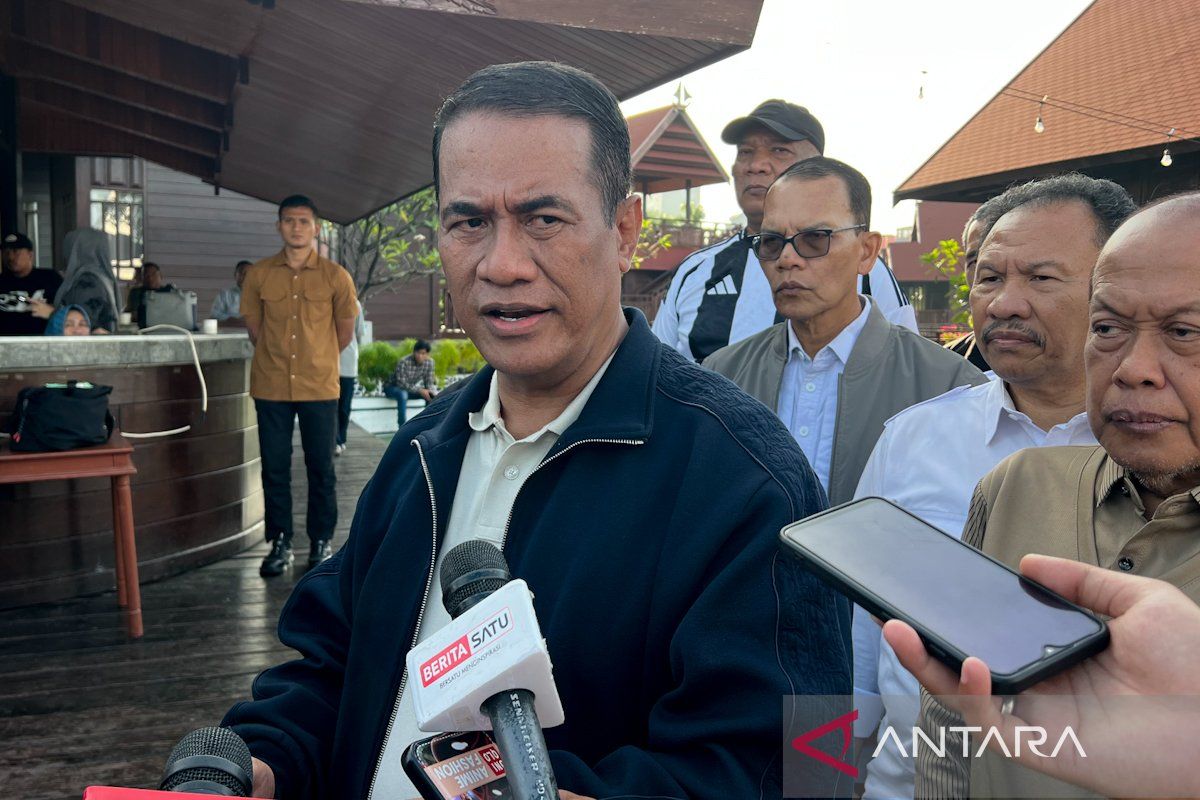
Makassar, South Sulawesi - Agriculture Minister Andi Amran Sulaiman stated that the free nutritious meals programme (MBG) serves as a driving force for the rural economy, especially the food sector, by sustainably involving various business actors from upstream to downstream. Amran said the MBG programme is capable of stimulating rural community economic activities through increased demand for horticultural commodities, such as vegetables, as well as livestock products like chickens and eggs. “Don’t view MBG in isolation. MBG is an economic driver in villages. So, it moves the economy in horticulture, vegetables, chicken sellers, eggs—this all moves from upstream to downstream,” Amran said in Makassar, South Sulawesi, on Monday. According to him, the economic impact of the programme does not stand alone but creates a chain effect that enlivens various small and medium enterprises in rural areas. Amran revealed that horticultural farmers directly benefit from the increased market demand, making vegetable production more vibrant and providing better economic value. In addition, he said, the livestock sector is also experiencing increased activity, particularly for chicken and egg breeders who are now feeling the positive impact of the programme. Not only that, Amran continued, other sectors such as distribution and trade of food products are also mobilised, creating an interconnected economic ecosystem that strengthens local economic resilience. According to him, the economic circulation from the programme has the potential to reach hundreds of trillions of rupiah, most of which circulates in rural areas of Indonesia. Thus, the MBG programme becomes an important strategy in strengthening the foundation of the rural economy while supporting national food security on a sustainable basis. The Agriculture Minister is optimistic that the programme will continue to provide broad benefits to society, particularly in driving inclusive and highly competitive village-based economic growth in the future. “How many millions of our breeders are there? There are 3.8 million. This all moves, from poultry, cattle, goats and so on. Well, this all moves. Don’t view it in isolation. Imagine if Rp300 trillion circulates in villages,” Amran stated.