
Agriculture Minister Deploys Expert Team to Address 'Bangkalan' Symptoms in Central Sulawesi Durian
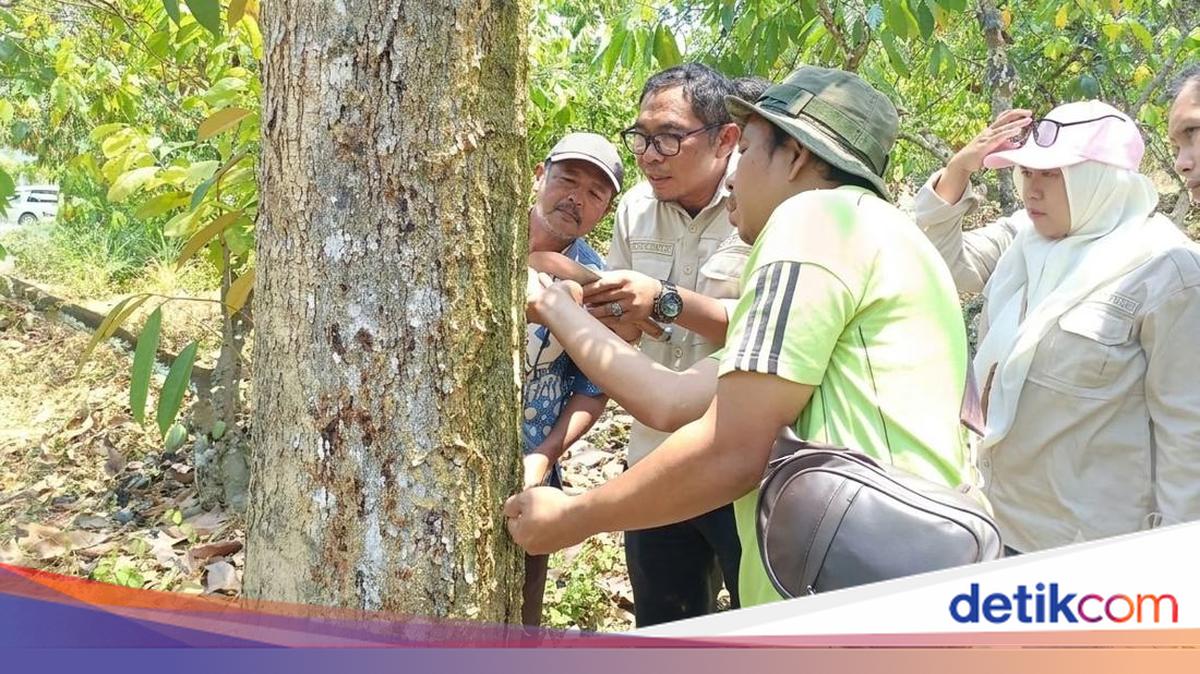
The Ministry of Agriculture (Kementan) is strengthening the oversight of durian crops in Central Sulawesi by involving a cross-agency team of experts. The team will examine ‘bangkalan’ symptoms discovered in the Poso and Parigi Moutong Regencies.
The study is being conducted to identify the factors related to the emergence of these symptoms and to formulate appropriate handling recommendations for farmers, ensuring that durian productivity and production in Central Sulawesi remain stable.
This move follows instructions from the Minister of Agriculture, Andi Amran Sulaiman, after receiving appeals from Central Sulawesi durian farmers during a working visit to Palu recently. At that time, farmer representatives requested that the government deploy an expert team to handle the ‘bangkalan’ disease, which causes durian fruit to fall before ripening, thereby impacting production.
“I have deployed the team; I have given the order. Contact them, find them, deploy the experts. The state will fund it. Find experts in that field,” Amran stated in a written statement on Thursday.
Following these instructions, a joint team has gone directly into the field to observe durian plants showing ‘bangkalan’ symptoms in Poso and Parigi Moutong. The team comprises members from the Ministry of Agriculture, BRIN (National Research and Innovation Agency), local governments, the Animal, Fish, and Plant Quarantine Agency (BKHIT), BRIDA, Plant Protection Units, academics from Tadulako University and Alkhairaat University, plant pest control officers, field agricultural extension workers, and AKDI.
Leli Nuryati, Director of Horticulture Protection at the Ministry of Agriculture, stated that the government will continue to assist farmers until appropriate handling measures are established. She noted that field studies are necessary to assess the overall condition of the plants, including nutrition and soil conditions.
“We will continue to assist until the right solution is found. The focus includes plant nutrition and soil pH, as acidic soil conditions can inhibit nutrient absorption even when fertiliser is applied,” Leli explained.
Based on initial observations by the joint team, the ‘bangkalan’ symptoms are suspected to be related to physiological disturbances in the plants during the fruiting phase, specifically concerning the availability and balance of macro and micro nutrients. Symptoms include fruit dropping before reaching optimal maturity (at approximately 60-80% ripeness), unripe or imperfect flesh, reduced aroma, bland taste, and pale fruit colour. These conditions directly affect durian productivity and harvest yields, impacting farmer income.
Soil conditions are also being examined, as soil acidity (pH) can affect a plant’s ability to absorb nutrients. Therefore, management efforts are directed not only at the plants but also at the growing medium and land management.
To strengthen the findings, the team has taken several samples from both healthy and symptomatic plants, including soil, leaves, and fruit, which will undergo laboratory testing. Farihul Ihsson, a researcher from BRIN, noted that testing various samples is essential for a comprehensive overview of the plant and its environment.
I Wayan Budarsana, the head of a local farmer group, expressed appreciation for the government’s initiative to involve experts. He hopes the study will provide applicable recommendations regarding fertilisation, soil fertility, and land management.
Moving forward, the Ministry of Agriculture will continue to coordinate with local governments, researchers, universities, and other stakeholders. The results of the study will serve as the basis for determining future management steps.
Durian is a horticultural commodity with significant economic potential for Central Sulawesi. According to data from the Central Sulawesi Department of Food Crops and Horticulture, durian plantations in the province cover approximately 36,000 hectares, with about 12,000 hectares currently in production. BPS data also records Central Sulawesi’s durian production at 95,140 tonnes in 2025, with the largest production centres located in Poso and Parigi Moutong. This potential has even expanded into export markets, making the strengthening of production centres vital for maintaining quality and sustainability.
Source: jawawa.id (https://jawawa.id/newsitem/agriculture-minister-deploys-expert-team-to-address-bangkalan-symptoms-in-central-sulawesi-durian-1789016745)
Originally published by detikcom (https://news.detik.com/berita/d-8656604/mentan-turunkan-tim-ahli-tangani-kaji-gejala-bangkalan-durian-sulteng), translated from Indonesian