
Agriculture Minister Amran says 13 suspects named in eight rice cases involving 15 brands
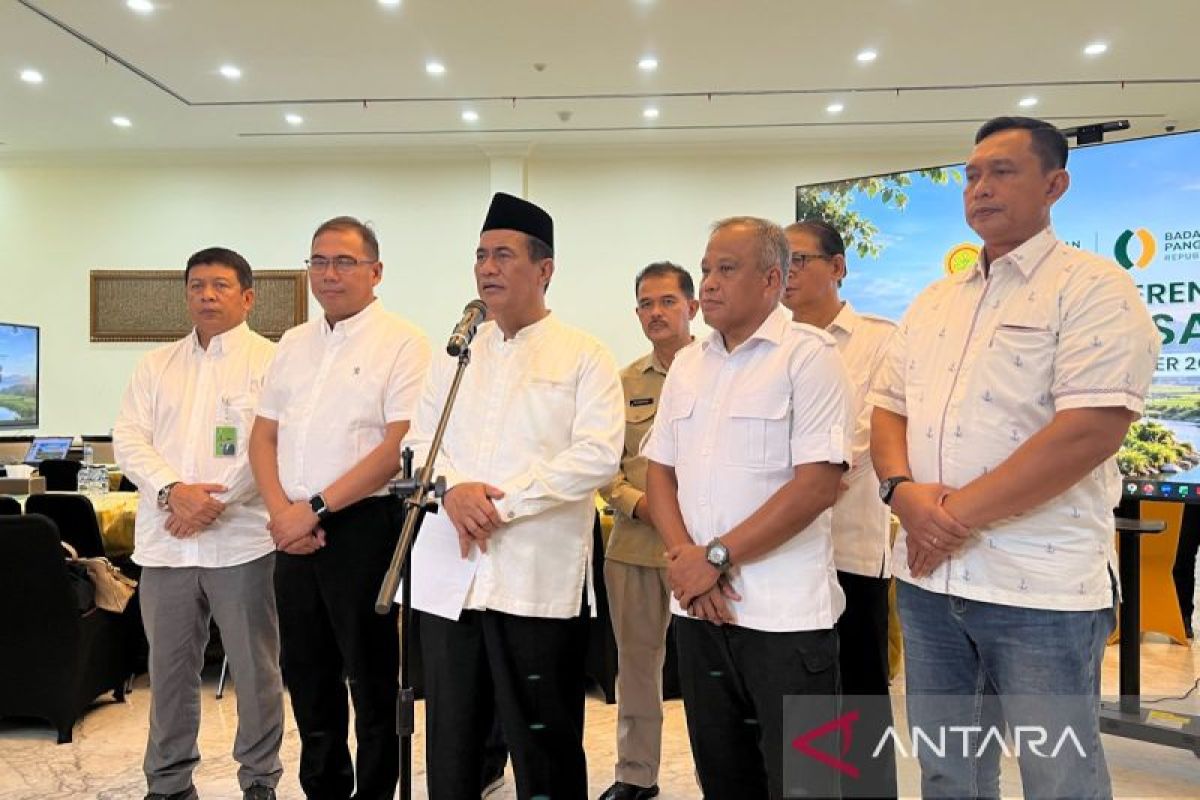
“We are announcing now that there are 15 rice brands in violation, with 13 suspects across eight cases.”
Jakarta (ANTARA) – Agriculture Minister Andi Amran Sulaiman said 13 people had been named as suspects in eight cases of rice-sector violations involving 15 brands.
“We are announcing now that there are 15 rice brands in violation, with 13 suspects across eight cases,” Minister Amran said at a press conference in Jakarta on Sunday.
The government has said enforcement against rice adulteration, quality manipulation and other irregularities in the rice trade will continue until all violations have been uncovered.
Amran stressed that there would be no compromise for businesses that tamper with rice, particularly commodities receiving government subsidies. He said food-sector violations not only harm consumers but also disrupt trade and the government’s efforts to maintain national food stability.
“Do not tamper with food, because it concerns the livelihood of many people. It is strategic and vital. So I urge large and medium-sized businesses not to tamper with it,” he said.
Amran highlighted breaches of quality standards and the sale of rice above the Highest Retail Price (HET). He called on businesses to stop violating the rules and bring their prices into line with government regulations before enforcement action is taken.
“Rice is subsidised by the government. There is an HET to protect consumers and a Government Purchase Price (HPP) to protect farmers. We protect both. No one should take excessive profits. We will pursue and take action against them,” he said.
Businesses found to have violated the rules could face sanctions ranging from the revocation of their operating licences to criminal proceedings. Under applicable law, the maximum penalty is seven years in prison and a fine of up to Rp1.5 billion.
In cases involving the adulteration of SPHP rice, Amran said alleged methods included taking rice to a mill to be re-milled, repackaging it in different sacks, and unloading it at concealed locations to replace the sacks and product identity.
Public participation has also bolstered enforcement. In about two weeks, the Ministry of Agriculture received 340 reports through the Lapor Pak Amran complaints channel. The reports covered a range of agricultural issues, including rice, fertiliser, agricultural machinery and equipment, and the rice-field development programme.
Amran also praised the police, prosecutors and other law-enforcement agencies for working together to tackle violations in the food sector. He said the pursuit of offenders would not stop with the cases already uncovered.
“Indonesia must be free of the rice mafia, particularly the food mafia. It must be free. This is a serious issue,” he said.
Government monitoring of suspected rice violations, particularly involving fortified rice, has been under way since April 2026. Inspections were expanded in July and August 2026 to 11 provinces, covering 190 samples from 27 trade names. The results showed that 25 brands failed to meet nutritional and quality requirements, with laboratory findings inconsistent with the information on the packaging.
Amran announced the findings on 15 September 2026, ordering the products to be withdrawn, licences revoked and those involved to face legal proceedings.
Enforcement continued with an investigation into producer PT DTA on 21 October 2026. On 30 October 2026, the National Police Food Task Force and the North Sumatra Regional Police uncovered suspected violations in fortified-rice production at PT UDS in Deli Serdang regency, seizing more than 15 tonnes of rice and several production machines.
To improve licensing and quality oversight, the National Food Agency (Bapanas) also imposed a temporary moratorium on issuing distribution permits for fortified rice classified as PSAT in early November 2026.
The government said it would strengthen monitoring and enforcement to close loopholes in the rice trade, from production through to distribution and sale. Amran said the measures were intended not only to deter offenders but also to protect consumers from products that fail to meet standards and prevent farmers from being harmed by unfair trading practices.
Source: jawawa.id (https://jawawa.id/newsitem/agriculture-minister-amran-says-13-suspects-named-in-eight-rice-cases-involving-15-brands-1794120769)
Originally published by Antara (Indonesian) (https://www.antaranews.com/berita/5839631/mentan-amran-sebut-13-tersangka-mafia-beras-dari-8-kasus-dan-15-merek), translated from Indonesian