
Agriculture Minister Amran: Lower fertiliser prices boost farmers’ purchases
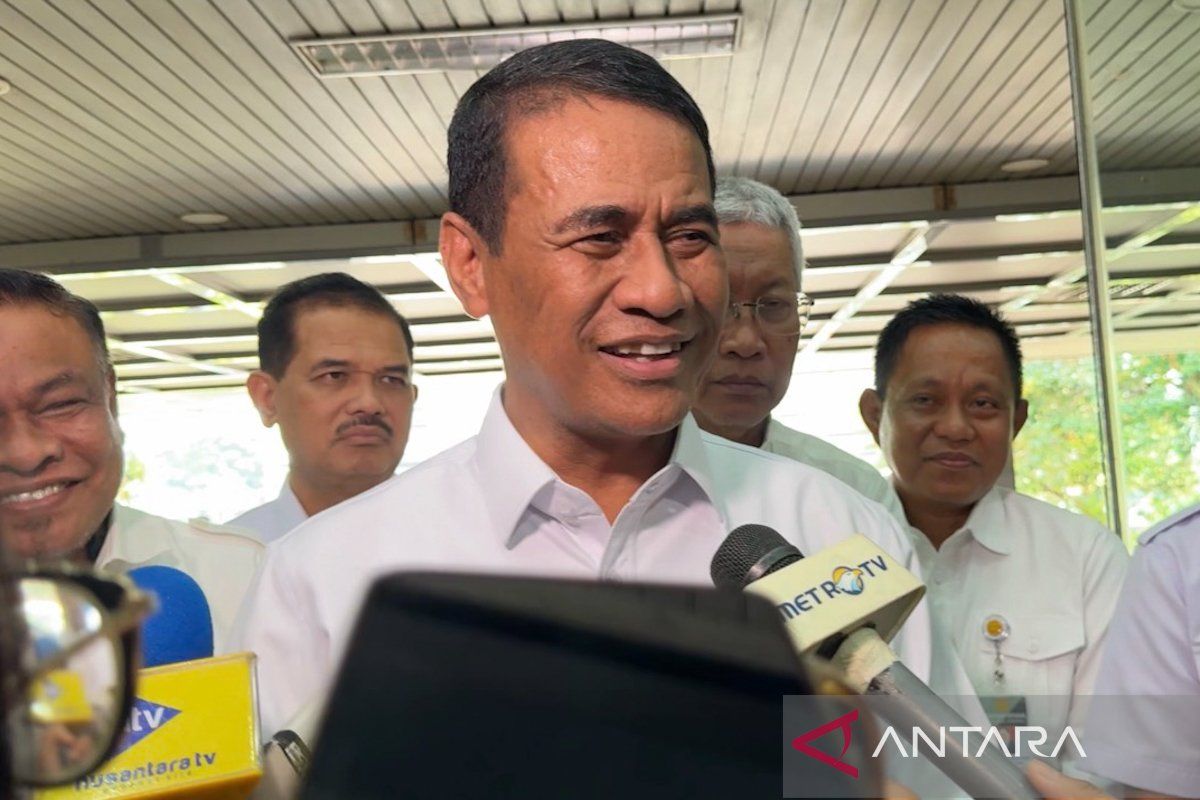
Jakarta (ANTARA) – Agriculture Minister Andi Amran Sulaiman said lower prices for subsidised fertiliser had boosted farmers’ purchases, alongside stronger supply, distribution and easier access to support national food production.
“The government’s policy of lowering subsidised fertiliser prices is beginning to show positive results,” Amran said in Jakarta on Tuesday.
Under President Prabowo Subianto’s direction, Amran said, the ministry was ensuring that the policy went beyond price cuts and was accompanied by stronger availability, distribution and access to fertiliser for farmers.
The measures are part of the government’s efforts to reduce farming costs while maintaining productivity and national food production.
“President Prabowo has ordered that fertiliser must reach farmers at affordable prices. There must be no delays and no leakage,” Amran said.
He said the Ministry of Agriculture had acted on the President’s instructions by improving the management of subsidised fertiliser.
The government has simplified regulations through Presidential Regulation No. 113 of 2025 and Agriculture Ministerial Regulation No. 3 of 2026, enabling fertiliser procurement and distribution to be carried out more effectively and respond to farmers’ needs on the ground.
One of the policies with the most direct impact on farmers was a cut of up to 20 per cent in the maximum retail prices (HET) of subsidised fertiliser, effective from 22 October 2025. The price of urea fell from Rp2,250 to Rp1,800 per kilogram, while NPK fertiliser fell from Rp2,300 to Rp1,840 per kilogram.
The policy has been accompanied by efforts to strengthen supply. For 2026, the government allocated 9.55 million tonnes of subsidised fertiliser to the agriculture sector. By 23 November 2026, deliveries had reached 7.65 million tonnes, or 80.10 per cent of the allocation.
Amran said the government would continue to monitor distribution to ensure that the allocated fertiliser reached eligible farmers, particularly in areas entering the planting season.
“The impact of the policy is beginning to show in increased purchases of fertiliser by farmers,” he said.
Data from the Ministry of Agriculture and PT Pupuk Indonesia show that subsidised fertiliser deliveries between 22 October 2025 and 31 July 2026 increased by around 20 per cent compared with the same period a year earlier. The average number of farmers purchasing fertiliser also rose by 7 per cent.
Additional uptake in most parts of Sumatra and Java is estimated at around 306,000 tonnes. The increase indicates that lower prices and improved management have also broadened farmers’ access to subsidised fertiliser.
To ensure that supplies continue to match demand, Amran also called for stronger distribution monitoring and adjustments to allocations. The Ministry of Agriculture reallocates fertiliser between regions and types when it finds differences between allocations and needs on the ground.
Amran said these measures formed part of the government’s commitment to carrying out President Prabowo’s instructions and introducing policies that support farmers.
“Cheaper fertiliser must be accompanied by adequate availability and well-targeted distribution,” he said.
Andi Nur Alamsyah, the Agriculture Ministry’s Director General of Agricultural Infrastructure and Facilities, said reallocations were made to ensure available supplies were used optimally and met farmers’ needs during the planting season.
“Allocations set at the start of the year must be followed by regular monitoring of needs and distribution. If a region faces a shortage of a particular type of fertiliser while another still has adequate supplies, we reallocate in accordance with the regulations,” Andi said.
He said adjustments were made in coordination with local governments and relevant parties, taking into account needs, stocks and purchasing trends in each region.
Through price cuts, simpler management, stronger allocations and faster reallocations, the Ministry of Agriculture is working to make subsidised fertiliser easier and more affordable for farmers to obtain.
“The policy is expected to reduce farming costs, ensure a smooth planting season and strengthen national food production on the path to sustainable food self-sufficiency,” he said.
Source: jawawa.id (https://jawawa.id/newsitem/agriculture-minister-amran-lower-fertiliser-prices-boost-farmers-purchases-1795535620)
Originally published by Antara (Indonesian) (https://www.antaranews.com/berita/5876059/mentan-amran-penurunan-harga-pupuk-dongkrak-penebusan-petani), translated from Indonesian