
Agriculture Minister Amran: Food Sovereignty Must Be Cultivated from PTPN I Land
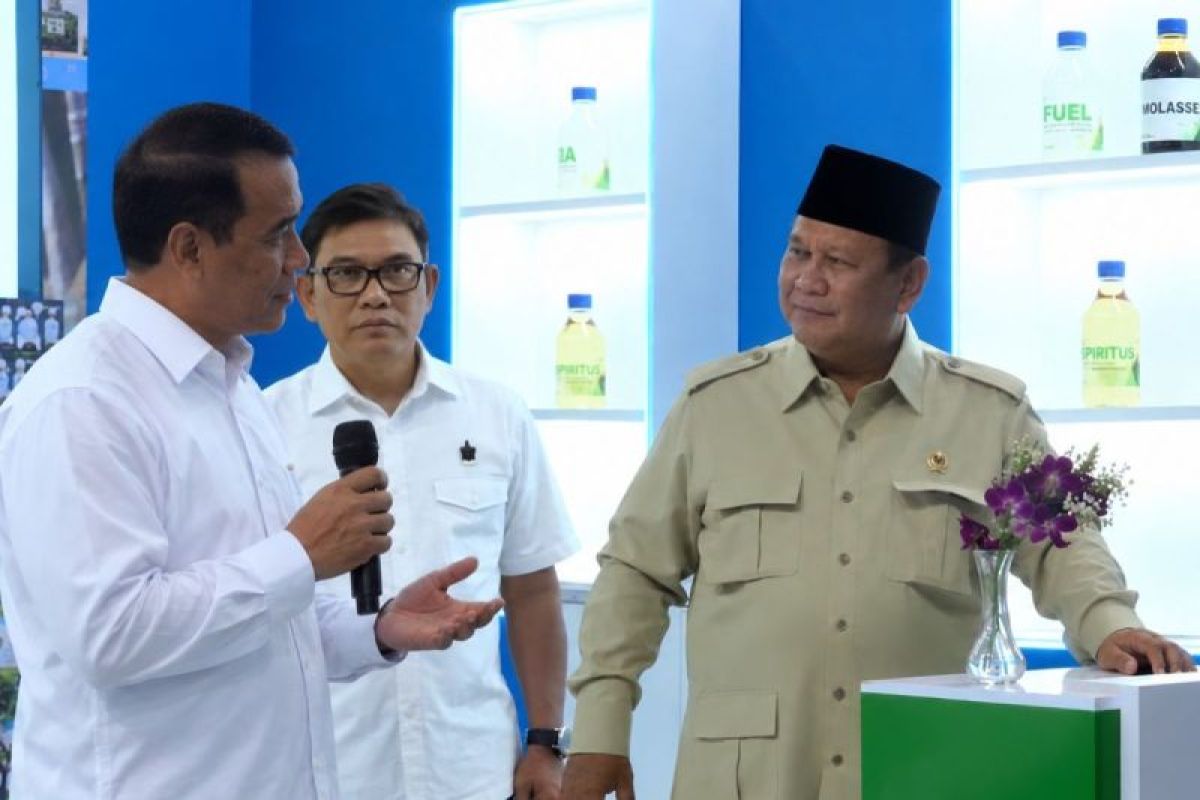
Jakarta (ANTARA) — Minister of Agriculture Andi Amran Sulaiman is encouraging the optimisation of plantation assets owned by PT Perkebunan Nusantara I (Persero) to strengthen food self-sufficiency while simultaneously supporting national energy security.
This directive emerged during a series of strategic discussions between the Ministry of Agriculture and the Board of Directors of PTPN I throughout June and July 2026. These discussions covered the strengthening of strategic commodities, agricultural downstreaming, and the development of renewable energy raw materials.
On 19 June 2026, the Ministry of Agriculture, along with various stakeholders, discussed strengthening policies and regulations for Food State-Owned Enterprises (SOEs) as a follow-up to Presidential Instruction Number 2 of 2026 regarding the Acceleration of Food Self-Sufficiency.
Discussions continued on 26 June with the finalisation of the draft Presidential Instruction on the Acceleration of Downstreaming for Strategic Agricultural Commodities, as well as the preparation of a Joint Decree regarding the assignment of Food SOEs.
Meanwhile, on 9 July 2026, a coordination meeting addressed the development of cassava as a raw material for bioethanol. This step demonstrates the link between strengthening food security and the development of renewable energy.
Amran believes that food self-sufficiency should be interpreted more broadly, not just through increased rice production, but also through the development of various strategic commodities that possess economic value and downstreaming potential.
Sugarcane, for instance, is being directed to support sugar self-sufficiency, while cassava has the potential to be developed as a raw material for bioethanol. Palm oil remains a vital commodity for industry and foreign exchange, while spices offer opportunities to be strengthened as value-added commodities.
In this context, downstreaming is a crucial component for increasing the added value of agricultural commodities, strengthening national industry, creating jobs, and expanding economic benefits for the community.
PTPN I, as part of the Food SOE ecosystem, holds a strategic position because it manages plantation assets across various regions that can be optimised for the development of strategic commodities and partnerships with smallholder farmers.
Several agendas being undertaken by PTPN I alongside the government include the development of sugarcane areas to support sugar self-sufficiency, the development of cassava as bioethanol feedstock, the strengthening of spice commodities, support for the price stabilisation of fresh palm oil fruit bunches, and the development of integrated chicken downstreaming.
The optimisation of these assets is directed not only towards increasing land productivity but also towards creating added value through investment, innovation, mechanisation, digitalisation, precision agriculture, and data utilisation.
On the other hand, strengthening the role of farmers and planters remains a vital part of this transformation. SOEs are encouraged to expand access to technology and financing, strengthen partnerships, and ensure that industrial growth proceeds in tandem with the improvement of community welfare.
The President Director of PTPN I (Persero), Abdul Rivai Ras, stated that the company is ready to implement this direction through asset optimisation, the strengthening of strategic commodities, and the acceleration of downstreaming.
“PTPN I will continue to strengthen its role as part of the national food ecosystem. Asset optimisation, productivity enhancement, downstreaming, and strengthening partnerships with the community are part of our steps to provide added value while supporting national food and energy security,” said Abdul Rivai in his office on Friday (18/9/2026).
According to him, the transformation of plantations is aimed at converting assets into sources of economic value that provide broader benefits to the community.
Through the strengthening of productivity, downstreaming, and partnerships, state plantation assets are expected to contribute to the strengthening of food and energy supply chains while increasing the added value of national commodities.
Source: jawawa.id (https://jawawa.id/newsitem/agriculture-minister-amran-food-sovereignty-must-be-cultivated-from-ptpn-i-land-1789747387)
Originally published by Antara (Indonesian) (https://www.antaranews.com/berita/5748231/mentan-amran-dari-lahan-ptpn-i-kedaulatan-pangan-harus-ditumbuhkan), translated from Indonesian