
AGO Responds to Claims That Febrie Adriansyah Case Transfer Lacked Legal Basis
The Attorney General’s Office (Kejagung) has responded to claims that the transfer of the corruption case involving former Junior Attorney General for Special Crimes Febrie Adriansyah from the police was procedurally defective. The AGO stated the handover followed all applicable procedures and regulations.
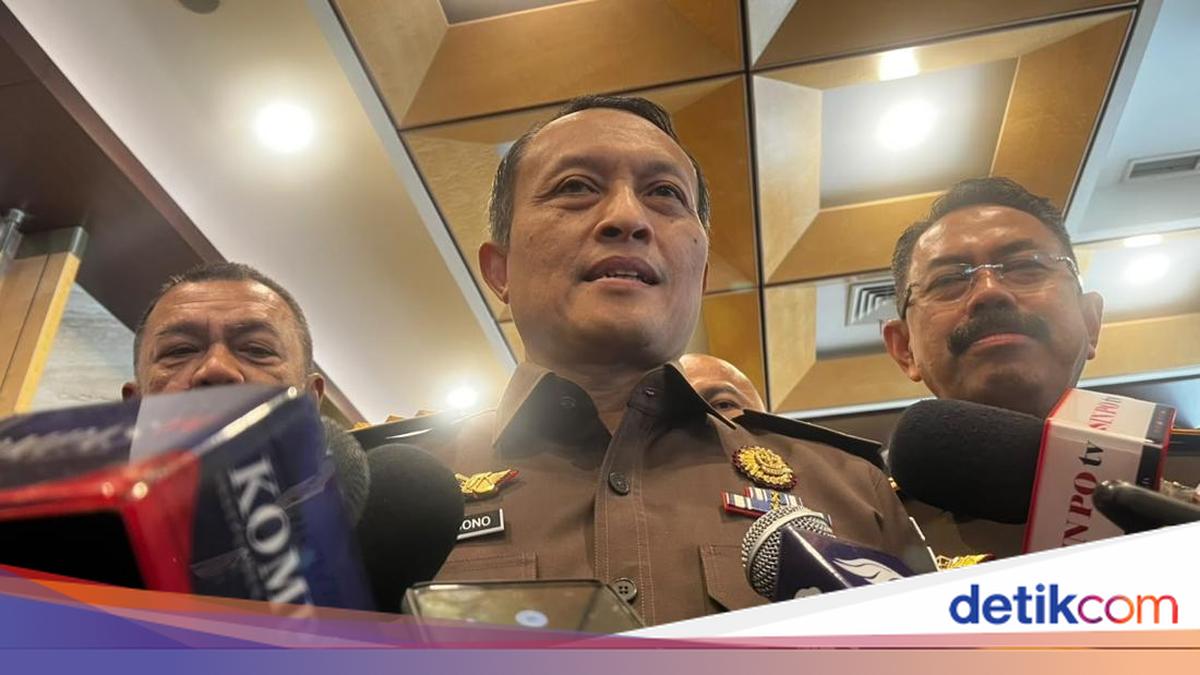
Junior Attorney General for Supervision Rudi Margono explained that one of the cases involving Febrie is the Asabri corruption case. He noted that AGO investigators had previously received this case from the police.
“Many experts have said the transfer lacked a legal basis. The Attorney General’s Office, as an investigative body, has previously received the Asabri case, and I happened to be the one who received it at the time as the special division coordinator. If I am not mistaken, the Asabri case was being handled by the Metro Jaya Police. For the sake of speed, we accepted it,” Rudi said at the AGO building in Jakarta on Friday (24/7/2026).
In the case involving Febrie, the police initially investigated three cases simultaneously: corruption at Asabri, Krakatau Steel, and coal mining. The police then named Febrie a suspect in all three cases before transferring them to the AGO.
Following the transfer from the police, the AGO issued three investigation warrants for the Asabri, Krakatau Steel, and coal corruption cases. From these three new AGO warrants, Febrie was only named a suspect in the Asabri case.
Rudi stated that the transfer of Febrie’s case from police investigators to AGO investigators would actually provide legal certainty. He added that the handover of the case files would also accelerate the resolution of the case towards trial.
“It is important to note that the transfer of the alleged case by investigators will actually provide legal certainty because, according to the law, the handover from police investigators to AGO investigators means both are investigators, and the AGO investigators also serve as the prosecuting body,” Rudi said.
“If it is handed over to the prosecuting body within the AGO, which also happens to be the investigator, hopefully, there will be no back-and-forth in the future, because according to Law 31/1999, corruption cases must be prioritised,” he continued.
Rudi added that this legal reasoning forms the basis for the AGO’s assertion that there were no procedural errors in the transfer of Febrie Adriansyah’s corruption case from the police.
“Such legal reasoning means the handling of the case by investigators at the Junior Attorney General for Special Crimes is highly argumentative and legally acceptable,” Rudi concluded.