
AGO Rejects Sony Sonjaya's Justice Collaborator Plea but Still Uses His Information
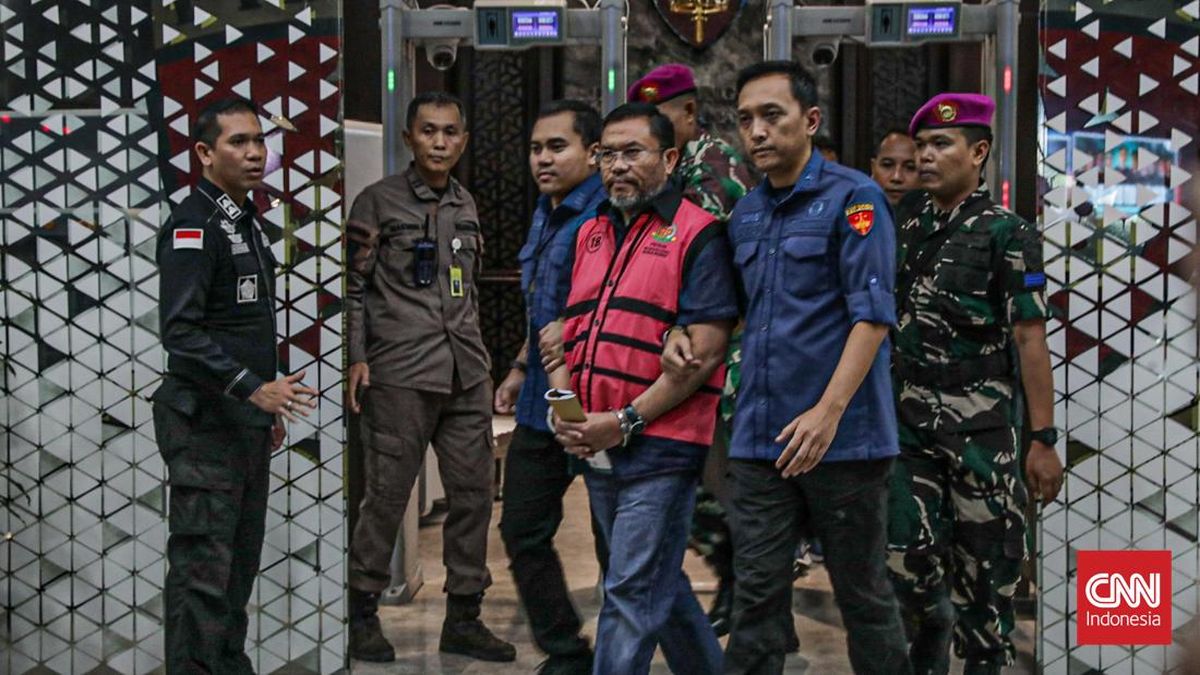
The Attorney General’s Office (Kejagund) has rejected the application for ‘Justice Collaborator’ (JC) status submitted by the former Deputy Head of the National Nutrition Agency (BGN), Sony Sonjaya, who is a suspect in the corruption case involving the management of the Free Nutritious Meal (MBG) programme.
Despite the rejection of his JC status, the Attorney General’s Office has ensured that it will continue to use the information provided by Sony during his application process.
The Director of Investigation for the Junior Attorney General for Special Crimes, Syarief Sulaeman Nahdi, stated that the office appreciates Sony’s efforts in providing information that helps clarify the MBG corruption case.
“We highly value all the information provided, and it is being used to bring light to this case. However, regarding the Justice Collaborator status, we are bound by existing regulations,” Syarief said during a press conference in Jakarta on Tuesday (23/6).
Previously, Sony, through his legal counsel, applied for JC status to the Attorney General’s Office. In an attempt to facilitate his application, Sony reportedly named 41 figures involved in corruption within the BGN environment related to the MBG programme and its procurement. One such allegation involves the suspected procurement of CCTV cameras, which Sony disclosed during his application.
Syarief admitted that the authorities are currently deepening their investigation into the alleged corruption regarding CCTV procurement at the BGN, as reported by Sony via his lawyers.
Reasons for Rejecting JC Status
During the briefing, Syarief explained the reasons why investigators rejected Sony’s JC application. The primary reason, he stated, is that Sony is suspected of being one of the main perpetrators.
“We cannot yet grant the Justice Collaborator request or have rejected the Justice Collaborator request from suspect SS,” said Syarief.
Syarief explained that there were two main considerations for the rejection. “We have concluded, firstly, that SS is the party most responsible for the determination or verification of SPPG points,” he noted.
Consequently, Syarief stated that Sony is not a secondary-level perpetrator who can expose larger parties in the MBG corruption case. Based on available evidence, Sony is considered a vital actor involved in the trading of SPPG points.
The second consideration is that, during the most recent interrogation, Sony still denied his involvement in the MBG corruption case. Syarief explained that one of the primary requirements for being accepted as a JC is that the perpetrator must admit to their actions.
“In yesterday’s examination, there was no indication found by investigators that the individual admitted to the actions as alleged,” he concluded.