
AGO Names New Suspect from Private Sector in Free Nutritious Meal Governance Corruption Case
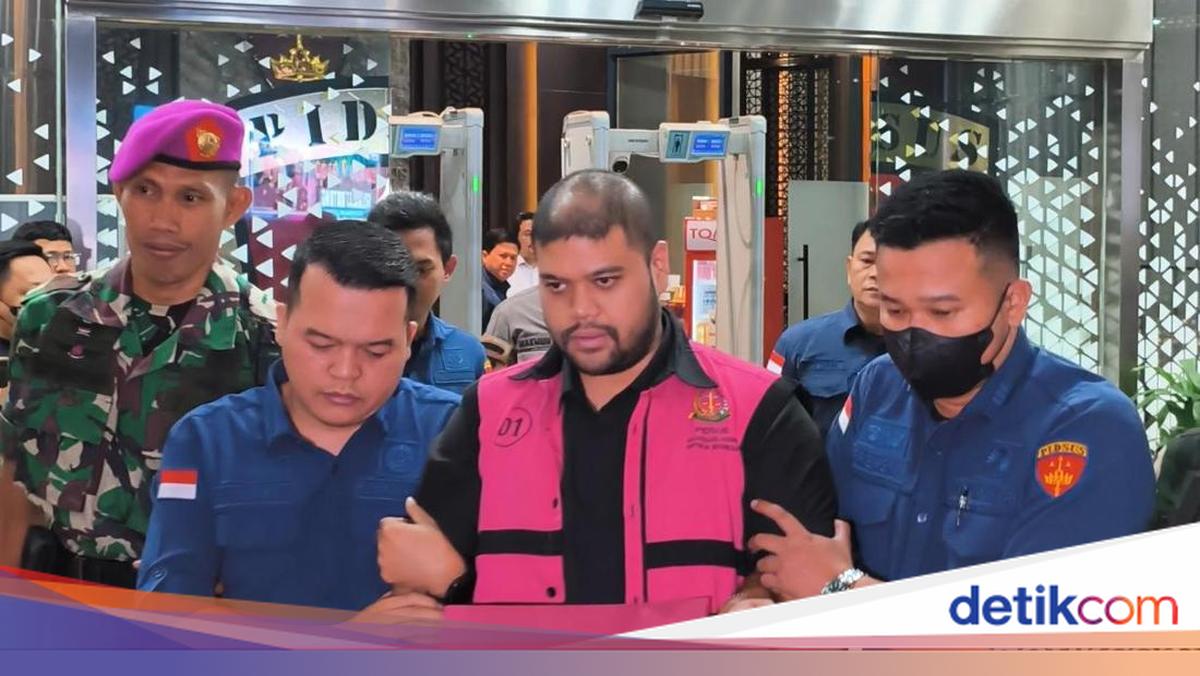
The Attorney General’s Office (Kejagung) has again named a new suspect in the alleged corruption case concerning the governance of the Free Nutritious Meal (MBG) programme. The party named as the new suspect is the Chairman of the Indonesia Food Security Review Foundation, Glory Harimas Sihombing.
“After conducting an examination of the witness, Mr GHS, and based on two pieces of evidence, the investigation team has named Mr GHS, a private party, as a suspect in the case in question,” said the Director of Investigation at the Junior Attorney General for Special Crimes, Syarief Sulaeman Nahdi, to reporters at the AGO in Jakarta on Thursday (18/6/2026).
Syarief stated that Glory Harimas was asked by former National Nutrition Agency (BGN) Head Dadan Hindayana to find partners for the Nutrition Fulfilment Service Unit (SPPG). Dadan provided Glory Harimas with access to obtain SPPG kitchen location points, which were then sold to parties wishing to own kitchens.
“Subsequently, after Mr GHS’s foundation had the kitchen points, the foundation sold the SPPG kitchen points to parties who wished to establish kitchens in the areas where those points were located,” he said.
“Mr GHS was given access by Mr DH to communicate with the verification team appointed by Mr DH, so that Mr GHS could arrange a rollback of the status of SPPGs under the auspices of Mr GHS’s foundation,” Syarief continued.
The AGO had previously named five individuals as suspects in the alleged MBG governance corruption case. They are: 1. Former BGN Head Dadan Hindayana; 2. Former BGN Deputy Head Sony Sonjaya; 3. Former BGN Deputy Head Lodewyk Pusung; 4. Asep Yusuf Somantri, a close associate of Sony; 5. Andri Mulyono, Commissioner of PT Yasa Artha Trimanunggal, the provider of electric motors for BGN.
The AGO suspects there were irregularities in the governance of the MBG programme, including alleged affiliations between the suspects and foundations managing SPPGs, as well as suspected mark-ups in the procurement of electric motors, shoes, tablets, and televisions.