
Ageing Infrastructure Overwhelmed, NASA Needs Rp16.4 Trillion for Artemis Mission
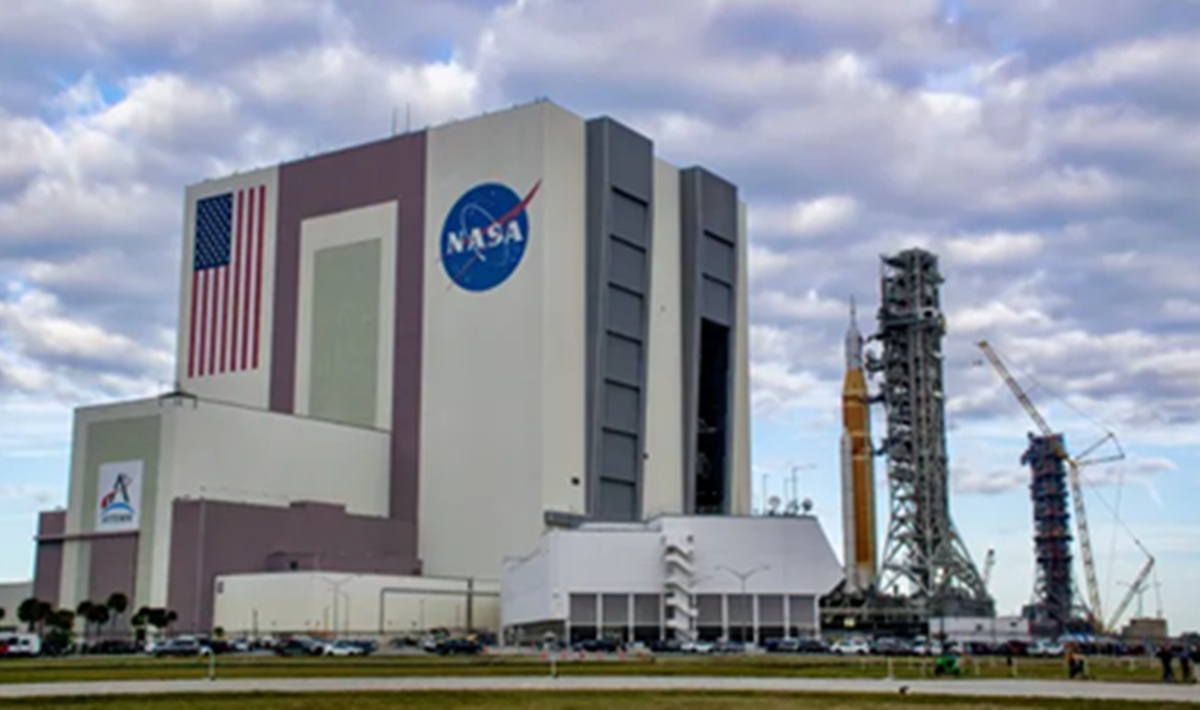
NASA’s grand plan to return astronauts to the Moon is facing a significant hurdle, not from rocket science, but from ageing and overstretched infrastructure. A new report from the agency’s Office of Inspector General (OIG) warns that facilities at Kennedy Space Center (KSC) in Florida and Wallops Flight Facility in Virginia are being pushed to their limits by a surge in launch activity from both government and commercial entities. Support networks, including roads, power grids, and pipelines for gas and fuel built during the 1960s Apollo era, are now under immense strain. These systems support not only NASA’s Artemis missions but also launches by private companies such as SpaceX, Blue Origin, and United Launch Alliance. According to the OIG report released on Monday, current projections indicate that Kennedy and Wallops will be operating near full capacity during the 2028 to 2029 period. The Space Coast in Florida has already seen a dramatic increase from 31 launches in 2020 to 109 in 2025, with launch traffic projected to rise by a further 150% by 2030. While NASA has taken initial steps, officials estimate that at least US$1 billion (approximately Rp16.4 trillion) is needed to complete all necessary infrastructure upgrades. Unfortunately, the funding approved last year amounted to only US$250 million. The greatest pressure stems from the Artemis 3 and Artemis 4 missions. To land astronauts on the Moon, NASA’s Orion spacecraft must rely on private landing systems, including SpaceX’s Starship. A single Starship fleet requires at least 15 additional tanker flights just to refuel in Earth orbit, a process that will congest the launch schedule at KSC. Furthermore, critical supplies of commodities like gaseous nitrogen for NASA’s Space Launch System (SLS) rocket are predicted to face blackouts lasting one to two months if forced to operate concurrently with Blue Origin’s New Glenn launches. Beyond physical constraints, the OIG report highlights slow renewal rates caused by routine maintenance budget cuts. The problem is compounded by rigid legal rules that currently prohibit NASA from directly accepting immediate investment funds from commercial partners to repair shared infrastructure. The report starkly noted that while NASA’s target is to renew, replace, repair, or upgrade its infrastructure every 66 years, the current renewal rate, based on available budgets, is over 260 years. To avert future mission failures, the OIG recommended that NASA immediately prioritise utility system repairs, evaluate commercial partnership policies, and develop a strategy to mitigate road damage caused by the transport of super-heavy rockets.