
After US-Iran Deal, Tens of Millions of Oil Barrels Transit Strait of Hormuz
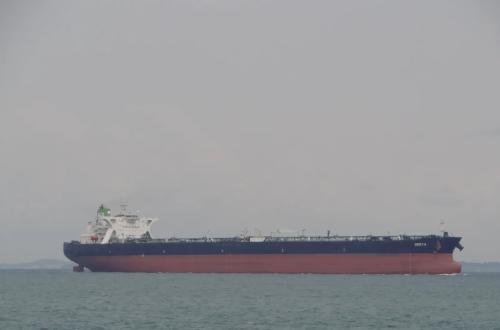
The reopening of the Strait of Hormuz following a US-Iran agreement has begun to spur a recovery in global energy trade. Data from trade flow monitor Kpler shows at least 20 tankers carrying around 35 million barrels of oil have departed the Persian Gulf since the strategic waterway was reopened. Kpler noted the non-Iranian vessels had been stranded for more than three months after Iran effectively closed access to the strait at the start of the conflict. The ships are expected to reach their destinations, mostly in Asia, by early August 2026.
Confirmed oil shipments through the Strait of Hormuz have risen to around 4.8 million barrels per day since the deal was reached, according to Kpler data cited by CNBC. While an improvement from the conflict period, the volume remains far below the pre-war level of approximately 15 million barrels per day. Additionally, Iranian tankers carrying about 21 million barrels of oil departed the strait during June, while non-Iranian vessels loaded since late April are carrying around 51 million barrels this month.
The resumption of exports follows the US Navy’s suspension of its blockade against Iran on 18 June 2026, alongside Washington’s temporary easing of sanctions on Iranian oil sales until August 2026. The revival of energy trade flows is expected to provide a positive boost to the global economy, with smoother oil supplies helping to curb price volatility that has been driven by Middle East geopolitical tensions.
The Joint Maritime Information Center (JMIC) has lowered the security threat level for shipping in the Strait of Hormuz from “critical” to “moderate”. While the risk of attacks remains, JMIC assesses the likelihood has diminished following the implementation of the US-Iran memorandum of understanding. The improved security conditions pave the way for normalising global energy supply chains. For energy-importing nations, including Indonesia, supply stability could help reduce import cost pressures and keep inflation in check. Separately, the International Maritime Organization (IMO) announced plans to evacuate more than 11,000 seafarers still in the Persian Gulf region, a programme supported by Iran, Oman, the US, and other Gulf states to ensure maritime safety and the smooth distribution of global energy.