
After Turkey, Egypt Also Refuses Cruise Ship Carrying LGBTQ Tourists
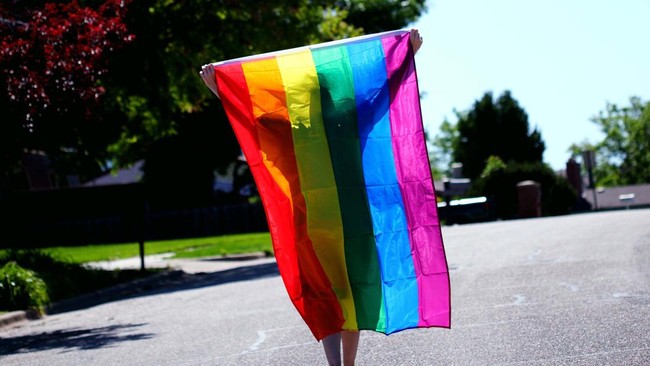
Misfortune has befallen passengers aboard a chartered LGBTQ cruise ship travelling in the Mediterranean region. After being banned from visiting Turkey several days earlier, the chartered vessel has now reportedly been refused entry to its replacement port in Egypt. The news was confirmed directly by Rich Campbell, President and CEO of Atlantis Events, the cruise operator, via a written statement to USA TODAY. The luxury cruise ship Scarlet Lady, owned by Virgin Voyages, was originally scheduled to dock in Alexandria, Egypt, on 9 July as part of a 10-night Mediterranean cruise package that departed on 5 July. The route to Egypt and the Greek island of Crete was actually chosen to replace the scheduled visit to Turkey, which was unilaterally cancelled by local authorities. “We had received approval to dock in Egypt, but four hours before we arrived, we were informed that the ship was not permitted to enter the port. No explanation was given for this decision, and we are deeply disappointed,” Campbell said. As of the time of reporting, Egyptian port authorities had not issued an official response regarding the reason for the refusal. The rejection is considered surprising because Atlantis Events claims to have repeatedly brought tourists to the pyramid country without issues in the past. “Last year, we brought 2,500 guests to Alexandria and 1,200 the year before, both without incident and safely. We have docked in Egypt at least five times in the past,” he explained. Prior to the incident in Egypt, the ship faced strong rejection in Turkey at the end of June. The Governorate of Aydın, where the popular port of Kuşadası is located, openly banned the ship from docking. According to an official release from the local Turkish government, the LGBTQ cruise ship’s visit was deemed to “trigger significant public concern due to its association with groups whose behaviour does not align with the society’s structure and moral values.” Responding to the successive boycotts, Campbell strongly criticised the discriminatory policies adopted by the destination countries. “If your business is tourism, you cannot pick and choose who your guests are. Once you do that, you instil fear in that group. This is a very short-sighted move,” he asserted.