
After Three Years of Operation, LRT Jabodebek Serves 75.9 Million Passengers and Strengthens Urban Mobility
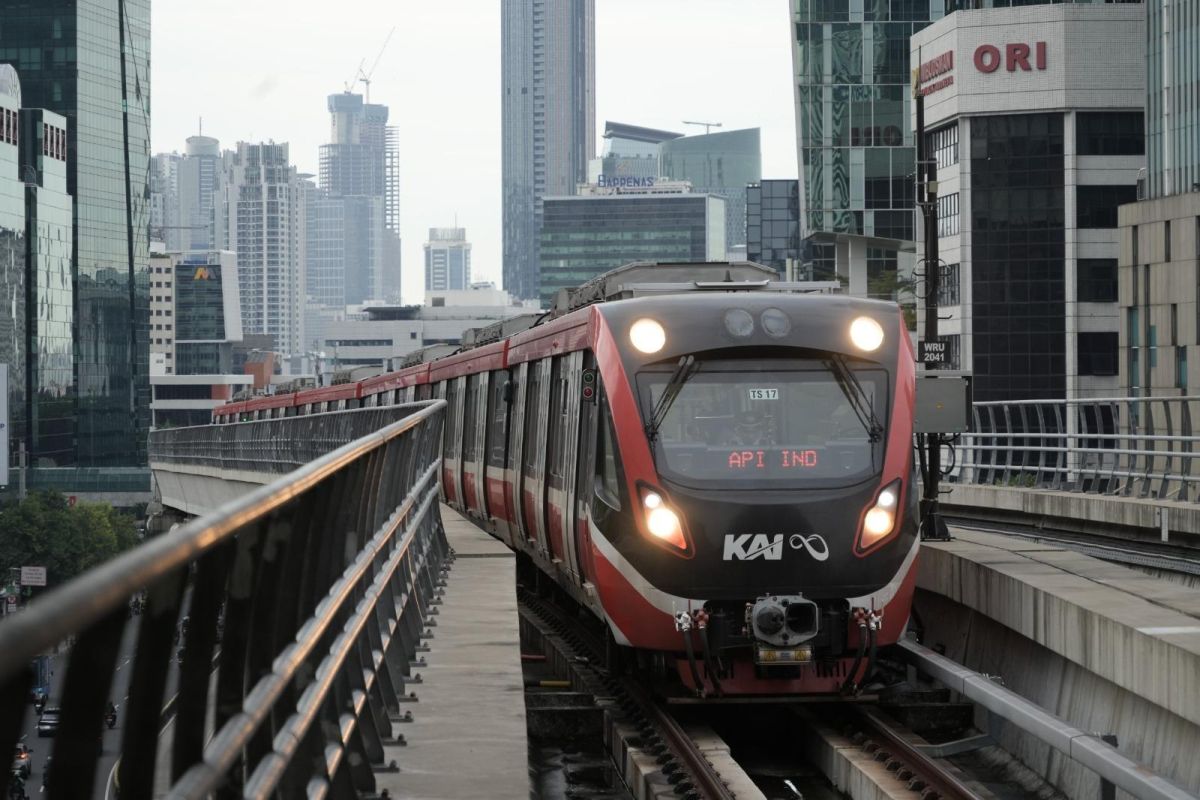
Three years since its inaugural journey on 28 August 2023, LRT Jabodebek has continued to develop into an integral part of mobility for the people of Jakarta, Cibubur and Bekasi. Up to 27 August 2026, LRT Jabodebek has served 75,937,674 passengers in supporting various urban community activities.
Vice President Corporate Communication of KAI, Anne Purba, stated that the growth of LRT Jabodebek reflects the increasing role of rail-based transport in supporting the community’s mobility needs.
“Over three years, LRT Jabodebek has become part of the community’s journey. Every trip served carries community activities, from work and education to various other activities,” said Anne.
Since commencing operations, LRT Jabodebek passenger numbers have continued to grow. In 2023, LRT Jabodebek served 4,562,673 passengers, rising to 21,055,870 passengers in 2024, and reaching 28,816,787 passengers in 2025. Meanwhile, from 1 January to 27 August 2026, LRT Jabodebek has served 21,502,344 passengers.
LRT Jabodebek operates Grade of Automation Level 3 (GoA3) technology, which supports train journeys through a modern automatic control system with the support of operational staff to maintain safety and service reliability.
“LRT Jabodebek is one of the achievements of national transport through the application of modern technology created by the nation’s own people, which continues to be developed to provide an increasingly better travel experience for the community,” said Anne.
In terms of sustainability, LRT Jabodebek applies Environmental, Social, and Governance (ESG) principles through resource management and service quality improvement. One example is the Automatic Train Wash Plant (ATWP), which enables the recycling of water used for washing rolling stock for use in subsequent washing processes.
LRT Jabodebek operates through two main lines that support community mobility:
The Cibubur Line (Dukuh Atas–Harjamukti) recorded 113.8 million passenger activity volumes during the operational period from 28 August 2023 to 27 August 2026. This line connects Jakarta’s activity centres with the Cawang, TMII, Kampung Rambutan, Ciracas and Harjamukti areas.
The Bekasi Line (Dukuh Atas–Jatimulya) recorded 119.7 million passenger activity volumes over the same period. This line connects the Halim, Jatibening, Cikunir, West Bekasi and Jatimulya areas, which are developing as residential and economic activity zones.
Based on total passenger activity (Volume In and Volume Out), the five stations with the highest volumes are:
Dukuh Atas Station – 22,902,568 volume
Harjamukti Station – 17,626,923 volume
Kuningan Station – 13,696,649 volume
Cikoko Station – 12,281,605 volume
Pancoran Station – 10,091,800 volume
Anne stated that service quality improvements will continue to be made to meet the community’s mobility needs.
“Customer trust is an important part of LRT Jabodebek’s journey. We will continue to maintain service quality, improve journey reliability, and deliver innovations that suit the community’s needs,” Anne concluded.
Three years of LRT Jabodebek’s journey have become part of the development of Indonesia’s urban transport through technological innovation, sustainable services, and connectivity that supports community activities.
Source: jawawa.id (https://jawawa.id/newsitem/after-three-years-of-operation-lrt-jabodebek-serves-75-9-million-passengers-and-strengthens-urban-mobility-1787903652)
Originally published by Antara (Indonesian) (https://www.antaranews.com/berita/5715136/tiga-tahun-operasional-lrt-jabodebek-layani-759-juta-pelanggan-dan-perkuat-mobilitas-perkotaan), translated from Indonesian