
After Nickel, Huabao to Target Coconut Processing in Morowali
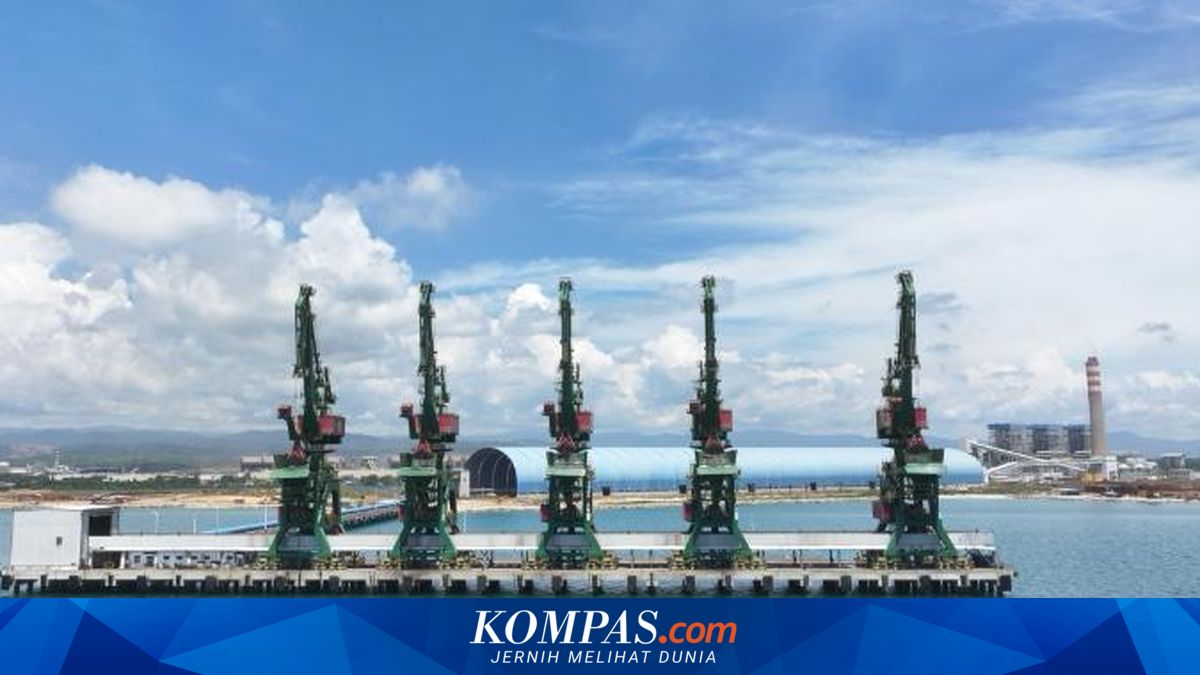
Villages such as Tepogaro, Ambunu, and Tondo in Bungku Barat District, Morowali Regency, Central Sulawesi, are undergoing a transformation. This area is preparing to become a new epicentre for integrated industry in eastern Indonesia through the efforts of Chinese investor PT Huabao Indonesia.
However, Huabao recognises that the journey to becoming a major industrial zone is still a long one. “Among all the industrial zones in Indonesia, we are still considered a baby,” said Communications Head of Huabao Indonesia, Hasrul As, in Jakarta on Wednesday (8/4/2026).
Their role is to build an ecosystem, prepare basic infrastructure, accessibility, and supporting facilities so that investors feel secure in injecting their capital. Hasrul explained that Huabao prepares the land and its infrastructure, then tenants enter and choose, similar to the operations of a shopping mall.
To date, this industrial mall is occupied by only three main tenants: Shuoshi, Hanrui, and Freenow. The remaining available land is still awaiting permit realisations and interest from other potential investors.
Morowali is synonymous with nickel, and Huabao’s initial focus is naturally tied to that black gold commodity. However, over the past four years, the vision for this zone has broadened to non-mining sectors closer to the agrarian life of local communities, namely coconut processing.
This sector is planned to be developed from upstream to downstream. Not just for simple consumer products like packaged coconut milk or coconut water, but for comprehensive utilisation from pulp, husks, to shells for global industrial needs.
The entry of this coconut processing industry is expected to bring a fresh colour to the industrial landscape in Morowali, while strengthening local economic resilience beyond the mining sector.
Although grand plans have been drawn up, Huabao remains realistic. As zone managers, they do not have full control over the speed of industrial growth within it. Investment realisation heavily depends on the global economic climate and the zone’s attractiveness to capital holders.
Hasrul emphasised that zone occupancy is an organic process that cannot be forced in a short time. Even though its current status is still that of a “baby”, Huabao Indonesia is laying important foundations. If the integration between nickel downstreaming and optimisation of agricultural products like coconuts is successfully realised, the area in Bungku Barat has the potential to become a new model for more diverse and inclusive industrial development in eastern Indonesia.