
After Mocha, Houthis Seize Perim Island, Threatening Global Economy
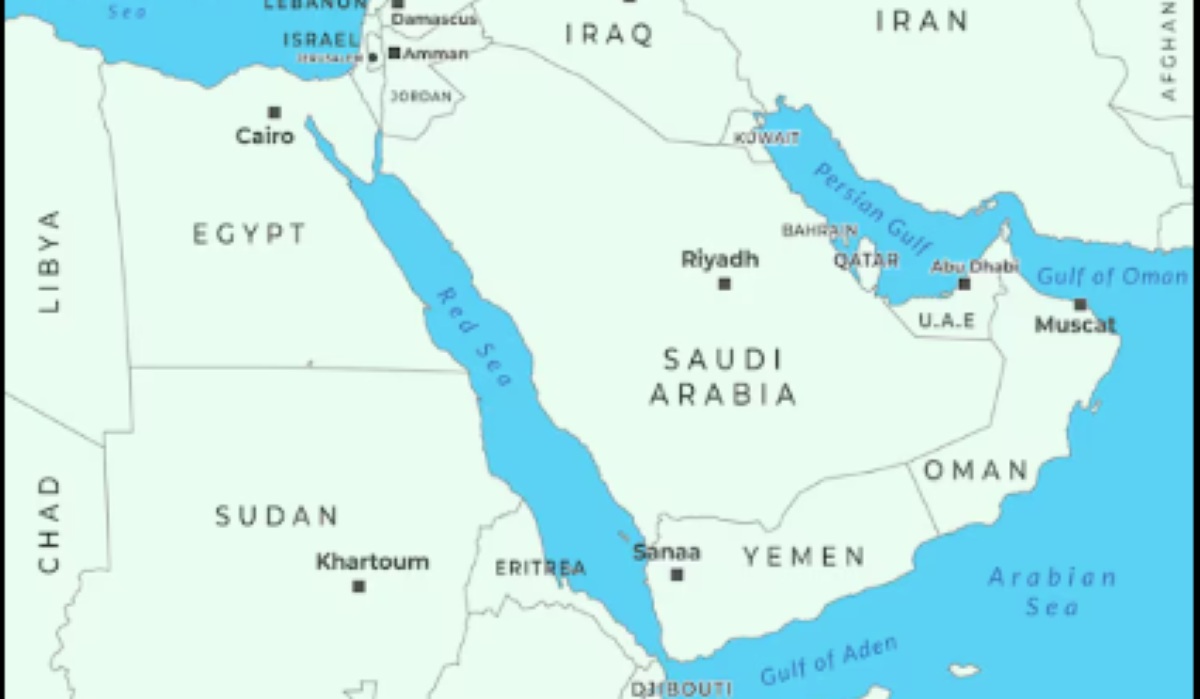
The Houthi rebel group has once again demonstrated its strength by seizing Perim Island, a small strategic island located at the narrowest part of Bab al-Mandab, the southern entrance to the Red Sea. This move marks a new chapter in the escalation of conflict that threatens the stability of global trade, not just United States interests.
Geographically, the control of Perim Island may not drastically change the range of Houthim attacks, given that their missiles and drones have been capable of reaching ships in the strait from the mainland for almost three years. However, the fall of this island to the Houthis provides a significant intelligence advantage.
Reports indicate that Yemeni government forces retreated without significant resistance. The presence of a Houthi garrison on Perim now serves as an observation post that facilitates command, control, and intelligence gathering. This also ensures that government forces can no longer disrupt their operations in the region.
The fall of Perim, preceded by the seizure of the Mocha region the day before, is part of a broader trend of escalation. Intelligence suggests that this series of attacks is likely directed by Iran as part of a wider regional strategy to demonstrate their ability to disrupt transit in the Red Sea at any time.
The crisis is further complicated by the situation in the Strait of Hormuz, which has been effectively closed since March. Previously, the flow of Gulf oil was diverted through the East-West pipeline to Yanbu and out through the Red Sea. Shipping volumes through Bab al-Mandab had surged from 4-5 million barrels per day (mbpd) to over 7 mbpd between March and July.
However, with the recent attacks on the East-West pipeline and the Houthi embargo, estimated shipments for August and September have plummeted to below 5 mbpd. These two chokepoints are no longer separate issues; pressure on one point automatically burdens the other.
Instability in this route forces ships to take much longer routes around the Cape of Good Hope, Africa. This adds weeks to travel time and significantly increases shipping costs.
Ships loading from Yanbu must now detour through the Suez Canal. In addition to increasing distance, this move also heightens security risks within the Suez region itself.
On the other hand, military assistance from the United States is reported to be limited due to the current operational burden on the US Navy. This has raised questions regarding the role of other maritime powers, such as the EU’s Aspides mission and the potential involvement of British warships like HMS Dragon to strengthen security in Bab al-Mandab.
The situation on Perim Island is an early indicator of a long-term pattern of challenges to the world’s maritime routes. This escalation demands adjustments from all the world’s navies to not rely solely on US protection to maintain the smooth flow of global trade.
Fighting also continues on several fronts in the provinces of Marib, Al-Bayda, and Al-Dhale.
The Yemeni Houthi group seized the strategic city of Mocha in the Red Sea, triggering a surge in WTI oil prices to over US$100 per barrel amidst the regional war.