
After Mixue, China Set to Flood the World with Whisky
Over the past decade, Chinese brands have permeated daily life worldwide through affordable plastic cups, ice cream cones, milk tea, and fruit drinks. Yet China remains inseparable from the influx of imported spirits.
Mixue has become one of the most familiar names. The chain has opened more than 50,000 outlets globally, a scale surpassing many fast-food franchise giants. From city centres to small towns in Southeast Asia, the Snow King logo appears as swiftly as convenience stores.
However, the first phase of cheap expansion appears to be over. A VnExpress report indicates that the number of Mixue outlets abroad shrank by 428 units in the past year, with closures concentrated in Vietnam and Indonesia. This typically occurs when a chain becomes too dense in one region.
When stores grow faster than demand, sales per outlet decline, margins thin, and lower-tier locations are abandoned.
This means the Chinese beverage market abroad is entering a consolidation phase. Not a retreat.
Companies are still opening new markets like the United States and Kazakhstan. In Malaysia and Thailand, expansion is pursued through another brand, Lucky Cup. The strategy is shifting to fewer stores, more expensive locations, larger outlet sizes, and stronger customer traffic.
China has long been known for conquering global markets through low prices. Now that model is shifting to network efficiency, store design, logistics control, and brand segmentation. In other words, the price war is being replaced by a war of execution quality.
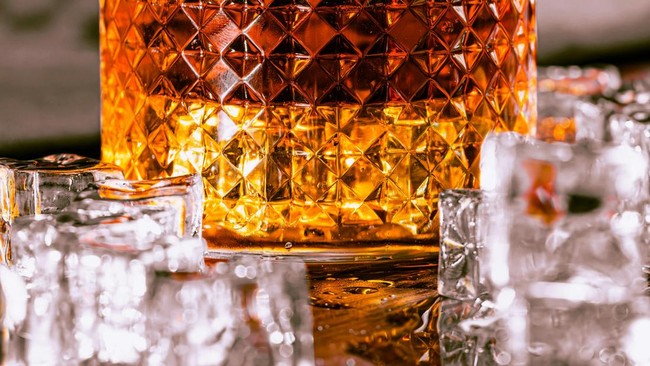
A more intriguing leap is coming from the premium alcohol shelf. The Economist reports that China is now experiencing a whisky boom. More than 50 distilleries have been built, with new projects ongoing.
Global producers like Diageo and Pernod Ricard are joining in. In Yunnan, Diageo is investing US$120 million to build the YunTuo Distillery in Eryuan, designed to produce Chinese single malt.
This phenomenon emerges as national alcohol consumption weakens. The beer business is faltering. Wine consumption has declined since its 2017 peak. Sales of baijiu, the dominant traditional spirit in China, reportedly fell around 15% last year. Young people are drinking less, while household spending slows.
But whisky is moving in a different direction because it targets a niche that still has money: established consumers. According to Edison Chiao from Diageo, China’s wealthy group is indeed more cautious about spending, but they remain willing to pay premium prices for high-end spirits. As mass consumption weakens, the prestige goods market still breathes.
China’s whisky imports reached a record 36 million litres last year, more than double compared to a decade ago. At the same time, local Chinese producers sold whisky worth US$585 million, or about Rp10.2 trillion (US$1 = Rp17,240), to foreign markets last year, a surge from just US$5 million a decade ago. So China is now buying whisky from the world, producing its own whisky, and exporting it back.
The government is inaugurating this new phase. In February, China issued its first national standard for single malt, referencing Scottish regulations. Products with that label must be distilled in copper pot stills and aged for at least three years in casks with a maximum capacity of 700 litres. This standard is crucial because it provides global legitimacy, meaning Chinese-made whisky seeks recognition through international quality language.
From bubble tea to single malt, the industry’s direction seems clear. Cheap products are used to open doors, build habits, and capture volume. Once the market is formed, capital moves to premiumisation. This is the pattern once used in electronics manufacturing, automotive, and fashion. Now it’s the turn of beverages.
Thus, the closure of hundreds of Mixue outlets does not automatically mean defeat. It may instead be a sign of business model maturity. China is sorting which stores are merely crowded and which brands truly generate revenue. Meanwhile, in Yunnan’s oak warehouses, thousands of whisky casks are slowly ageing—awaiting the day when the “Made in China” label no longer equates to cheap, but rather expensive and sought-after.