
After Leading Protests Over QRIS, US Gives It an Unexpected Award
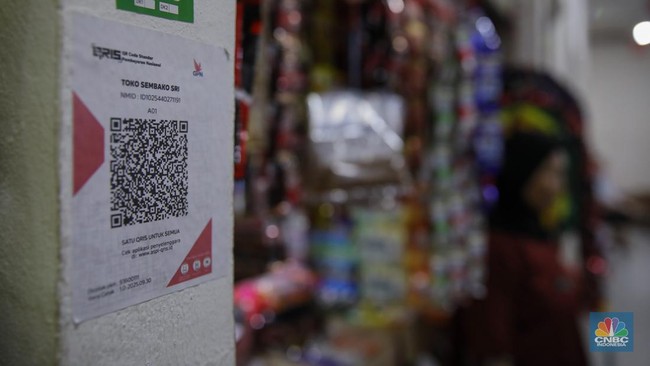
Jakarta — Bank Indonesia (BI) Deputy Governor Destry Damayanti said she was surprised to receive an award from the United States for the Quick Response Code Indonesian Standard (QRIS) innovation.
“Thankfully, last month we also received an award from the United States. The US was the one protesting us the most, wasn’t it? But in the end, it gave us the award,” she said at the KADIN National Leadership Meeting at Hotel Borobudur in Jakarta on Thursday (29 October 2026).
Destry said the United States had initially raised numerous objections over QRIS.
The US government highlighted the QRIS policy in the 2025 National Trade Estimate Report, released by the Office of the US Trade Representative (USTR) at the end of February. The document said US companies, including payment providers and banks, were concerned that international stakeholders had not been informed about potential changes during the development of BI’s QR code policy, or given the opportunity to express their views on the system, including how it could be designed to work smoothly with existing payment systems.
On the other hand, BI received the award in recognition of the inclusiveness of cross-border QRIS and its role in addressing cross-border payments. The system has partnered with six countries: China, South Korea, Thailand, Malaysia, Singapore and Japan.
Cross-border QRIS has received further international recognition. The Indonesian payment system innovation won the Collaboration category of the “50-in-5 Awards 2026”, organised by the Digital Public Goods Alliance (DPGA) and Co-Develop.
The award was presented during the 50-in-5 Milestone Event at the 81st session of the United Nations General Assembly (UNGA 81) in New York on Monday (21 September 2026).
Co-Develop Chief Investment Officer Lindsey Crumbaugh presented the award to Bank Indonesia Deputy Governor Filianingsih Hendarta, who represented Indonesia.
BI said the award represented global recognition of Indonesia’s success, together with its partner countries, in building interoperable and inclusive cross-border digital payment connectivity.