
After Expanding into New Markets, What's the Next Step?
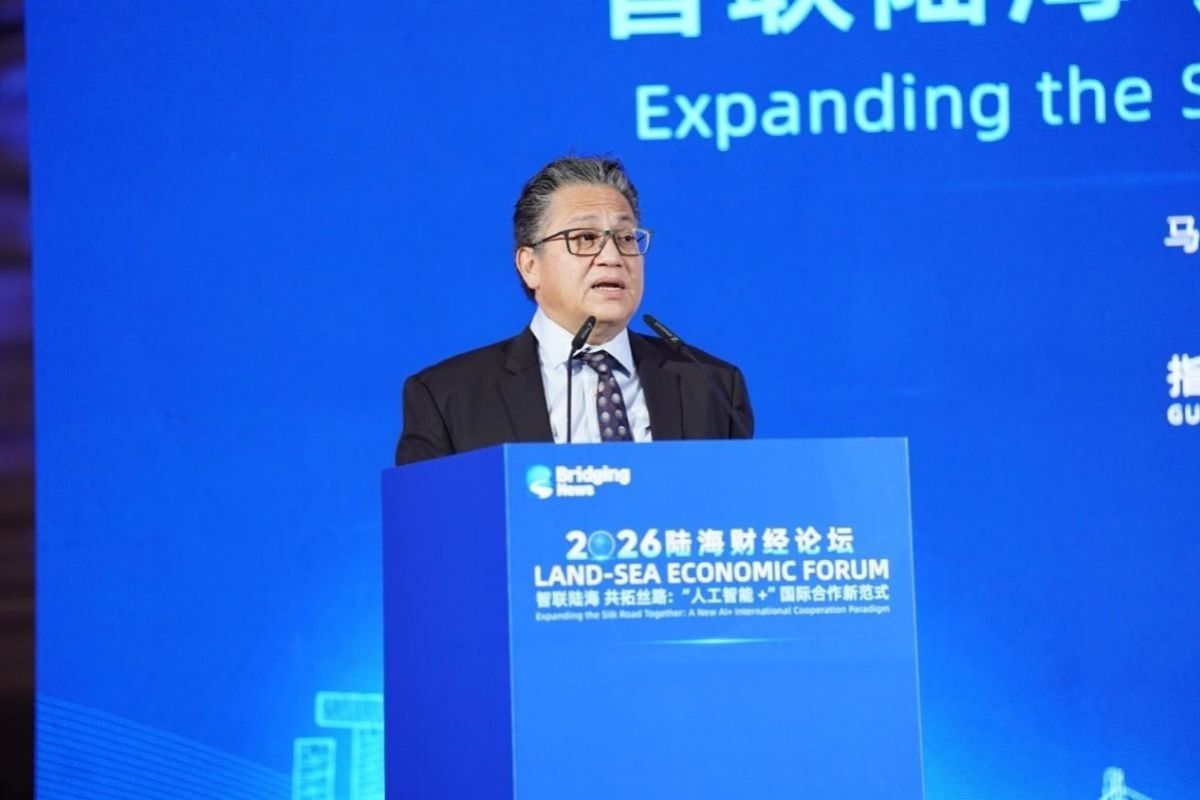
Nearly 200 government, business, financial, think-tank, and media representatives from China and Malaysia gathered at the Land-Sea Economic Forum 2026 in Kuala Lumpur on 30 July. The forum addressed strategic issues ranging from AI-driven industrial transformation and cross-border investment to digital content development and localisation strategies as the next step after companies expand into new markets.
Organised by the Western International Communication Organization (WCICO) under the guidance of the Chongqing Municipal Government Information Office, the event aimed to strengthen AI cooperation and promote the utilisation of the New International Land-Sea Trade Corridor (ILSTC), while enhancing collaboration between Chongqing, Malaysia, and ASEAN countries in industry, technology, finance, and cultural exchange.
Malaysian Deputy Senate President YB Senator Datuk Nur Jazlan bin Tan Sri Mohamed noted that Western China and Malaysia are building a new technology and trade corridor, driven by physical connectivity and digital technology. He highlighted that the ILSTC has reduced cargo shipping time from Western China to Southeast Asian ports from weeks to just a few days, with AI further improving logistics efficiency, customs clearance, regulatory compliance, and capital allocation.
Dato’ Andrew Goh Kim, Deputy President of the Federation of Malaysian Manufacturers, emphasised AI’s role in enhancing supply chain visibility and resilience. Professor Chee Seng Chan from the University of Malaya stressed that AI only creates economic value when its application is tailored to specific market needs. Encik Ir. Wan Murdani Wan Mohamad from the Malaysia Digital Economy Corporation introduced the national ‘Malaysia AI’ strategy and invited Chinese companies to use Malaysia as a base for Southeast Asian business development.
During the forum, WCICO and the Center for Advanced Studies jointly inaugurated the Bridging News Kuala Lumpur Station and launched a report on localisation strategies for Chongqing and Malaysian companies seeking to expand in the ASEAN market. Senior Researcher Dr. Chang Peng Kee, who presented the findings, asserted that localising production and strengthening brands are key to long-term growth in ASEAN, stating, ‘We are not just present in Malaysia; we are growing together with Malaysia.’ Similar themes were echoed in discussions on smart mobility, digital content, and globalisation strategies, with Socio-Economic Research Centre Executive Director Lee Heng Guie urging Chinese firms to integrate into Malaysia’s supply chain by partnering with local suppliers and building long-term relationships through job creation and technology transfer.