
After Corruption Definition Sparks Controversy, Luhut Speaks Out and Explains DEN’s Position
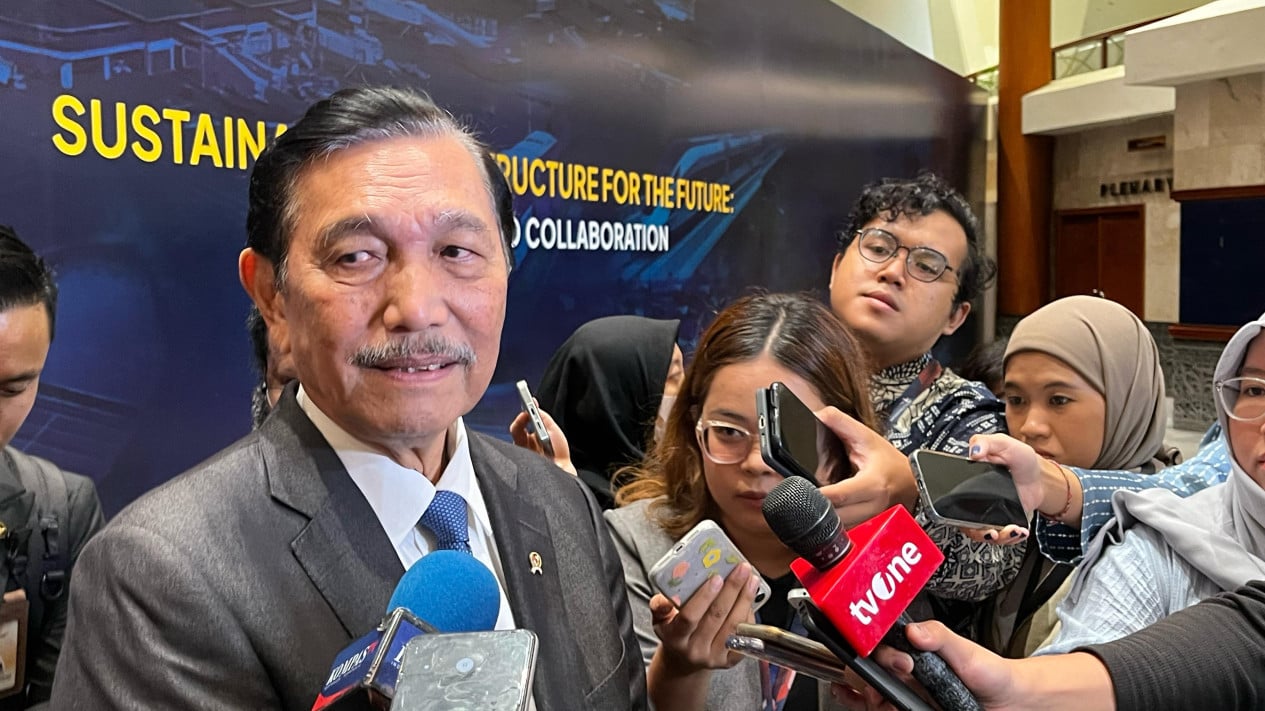
Following controversy over the definition of corruption and comments from political figures, National Economic Council (DEN) chair Luhut Binsar Pandjaitan responded in a press statement on Wednesday (21 October 2026), also explaining the council’s position.
He stressed that the recommendations to improve the Corruption Eradication Law were not intended to remove the element of state losses, but to clarify proof and broaden the scope of corruption offences in line with the United Nations Convention against Corruption (UNCAC).
“State financial losses will remain an element of the Corruption Eradication Law, and misappropriated state funds must still be returned. What we are proposing is clear and objective proof, so that corrupt offenders do not escape liability and someone who makes a decision or takes action in good faith is not punished without grounds,” Luhut said.
DEN said its recommendations focus on clarity and consistency in evidentiary standards, as well as expanding the range of corruption offences by adopting UNCAC offences not yet covered by national law.
The council also proposed protecting decision-makers in government and state-owned enterprises (SOEs) who act in good faith, follow proper procedures and have no conflict of interest.
The proposed protections relate to the policy judgment rule and the Business Judgment Rule, principles concerning policy considerations and business decisions subject to certain conditions.
DEN stressed that Articles 2 and 3 of the Corruption Eradication Law, as well as Articles 603 and 604 of the Criminal Code, would remain in place.
DEN’s clarification therefore states that the element of state losses would not be removed. The recommendations focus on clarifying proof, protecting qualifying decision-makers and expanding the types of corruption offences covered by national law.
Earlier, Corruption Eradication Commission (KPK) chair Setyo Budiyanto rejected Luhut’s proposal concerning the definition of corruption.
Setyo also stressed that the phrase “state losses” must remain in Indonesia’s definition of corruption offences.
He said Indonesia has specific circumstances in dealing with corruption that cannot simply be equated with international rules.
Setyo cited the high complexity and sophistication of white-collar crime methods in Indonesia as the main reason for retaining criminal provisions relating to state losses.