
After B50: Reorganising national logistics
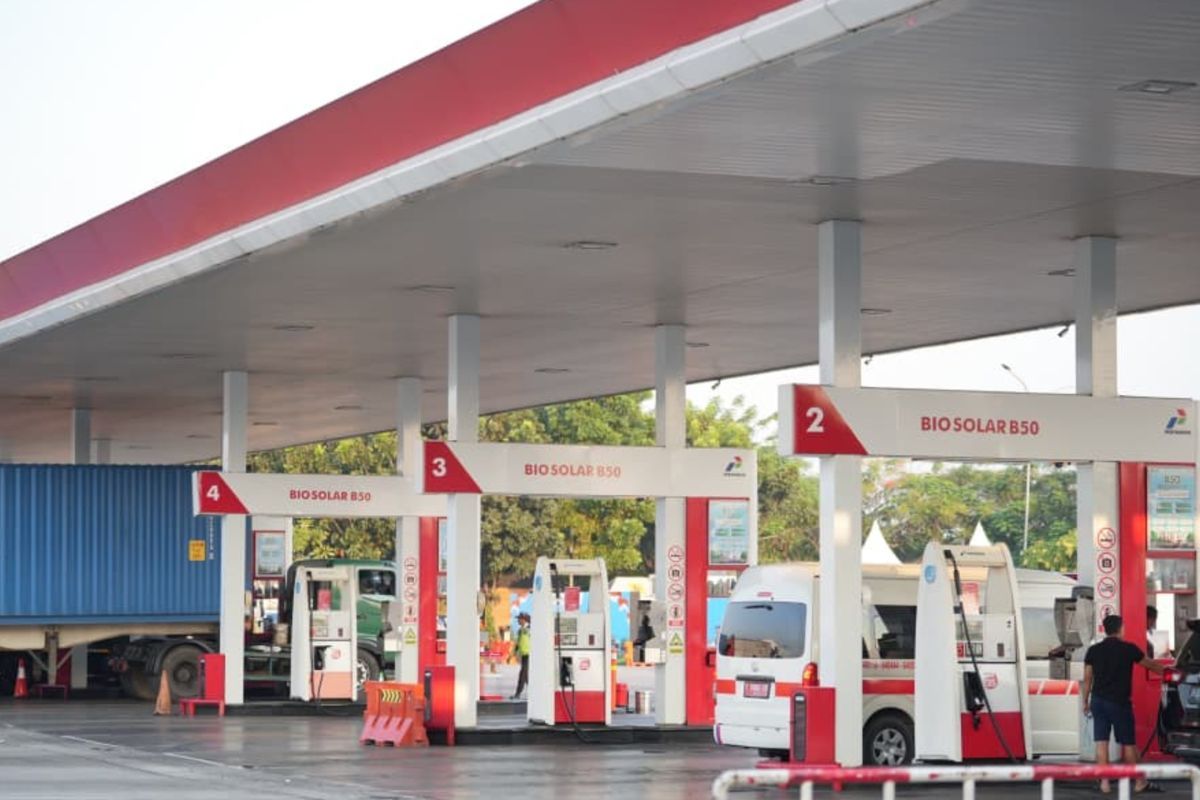
The implementation of the B50 biodiesel programme marks a new chapter in Indonesia’s journey towards energy sovereignty. After years of dependence on imported fossil fuels, Indonesia is now increasingly bold in relying on domestic resources to meet its energy needs. This move not only reflects a commitment to a more sustainable energy transition but is also a crucial strategy to reduce pressure on the trade balance, strengthen national energy security, and increase the added value of domestic palm oil commodities. However, the success of B50 is not the finish line of a policy, but rather the beginning of a more complex challenge. The rising demand for palm oil as a feedstock for biodiesel will alter national demand patterns, shifting from a focus on export markets to becoming increasingly concentrated on domestic needs. This change demands a production, distribution, and governance system that is far more adaptive than before. This is where the discussion on B50 needs to be broadened. The public debate can no longer stop at the question of whether Indonesia is capable of producing biodiesel in larger quantities. The more strategic question is whether the national logistics ecosystem is ready to ensure that raw materials can flow efficiently from plantation centres to processing industries without disrupting supplies for food and other industrial needs. Without improvements in this area, the success of increasing the energy mix could be followed by the emergence of new economic costs that will ultimately be borne by the public. Therefore, after B50, the measure of success is no longer solely calculated by the percentage of biodiesel blend used or the amount of foreign exchange saved. The more important measure is Indonesia’s ability to build a logistics system and agribusiness governance that can maintain a balance between energy needs, food stability, and national economic competitiveness. This is where a new direction for development must begin: making logistics the primary foundation for achieving sustainable energy sovereignty.