
After B50 Palm Oil Diesel, Prabowo Now Aims to Accelerate Sugarcane-Based Petrol
Jakarta, CNBC Indonesia – The government is set to accelerate the development of bioethanol-based fuel as a next step, particularly after Indonesia successfully implemented the mandatory 50% palm-based biodiesel blend (B50) for diesel fuel.
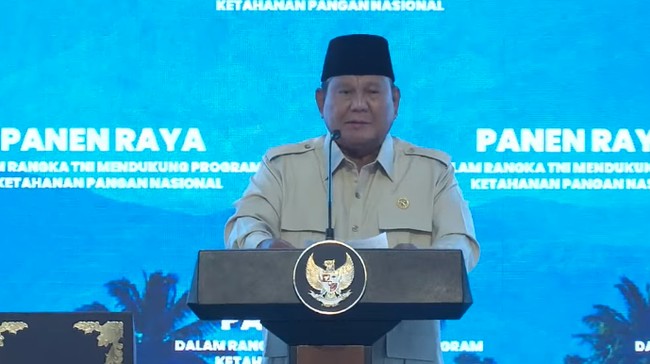
President Prabowo Subianto aims for Indonesia to catch up with India and Brazil in the use of ethanol as a petrol blend. He made the remarks while leading the Nationwide Simultaneous Harvest event with the TNI in Malang, East Java, on Friday (17/7/2026).
The raw materials for bioethanol can come from sugarcane molasses, sorghum, cassava, palm sugar sap, maize and others.
“We have become the first country in the world to produce B50. Now we produce diesel from palm oil, so from this July onwards we will no longer import diesel from abroad,” Prabowo said at the harvest event.
After the success of B50, Prabowo now wants to accelerate bioethanol development for petrol. He said Indonesia already has the capability to move towards E10 — petrol with a 10% ethanol blend — and even has the potential to leap straight to E20, a 20% bioethanol blend in petrol. This means each litre of petrol would contain 20% bioethanol.
Prabowo then compared bioethanol adoption in several countries. According to him, India has implemented E20, while Brazil even uses E100, or fuel based on pure ethanol.
“India is already at E20, India is already at E20, Brazil is already at E100. Surely Indonesia can do it too — Indonesia can, right? Can? Can,” he said.
Meanwhile, CEO of Pertamina New & Renewable Energy (Pertamina NRE) John Anis affirmed the company is ready to support the government’s target of accelerating bioethanol development.
“So perhaps you are asking why Pertamina is here, Sir, but you can see that we want to contribute to bioenergy. We also want to congratulate you on B50, and we share the same aspiration and spirit for E20,” John said while accompanying Prabowo.
He revealed that Indonesia currently only applies E5 on a limited basis at around 170 Pertamina petrol stations in East Java and Jakarta, whereas India’s implementation has already reached E20.
“So we do not want to be left behind, Sir — we must catch up with them. We are only at E5, Sir. That is E5 at 170 of our outlets in East Java and Jakarta,” he said.
John explained that Pertamina is also developing bioethanol using various feedstocks, not only sugarcane but also palm sugar sap, cassava, maize and sorghum.
According to John, to meet national demand, Indonesia needs around 20 to 30 new bioethanol plants within the next two years. He noted that building plants across various regions would improve farmers’ welfare.
“So rather than money going out on imports, Sir, give it to the farmers,” John asserted in response to Prabowo’s question about the policy’s impact on reducing imports.
To realise the target, Pertamina emphasised the importance of mandatory regulations as well as certainty over feedstock prices, which are needed for Indonesia’s bioethanol ecosystem to get up and running.