
After a New Regional Military Command Is Established
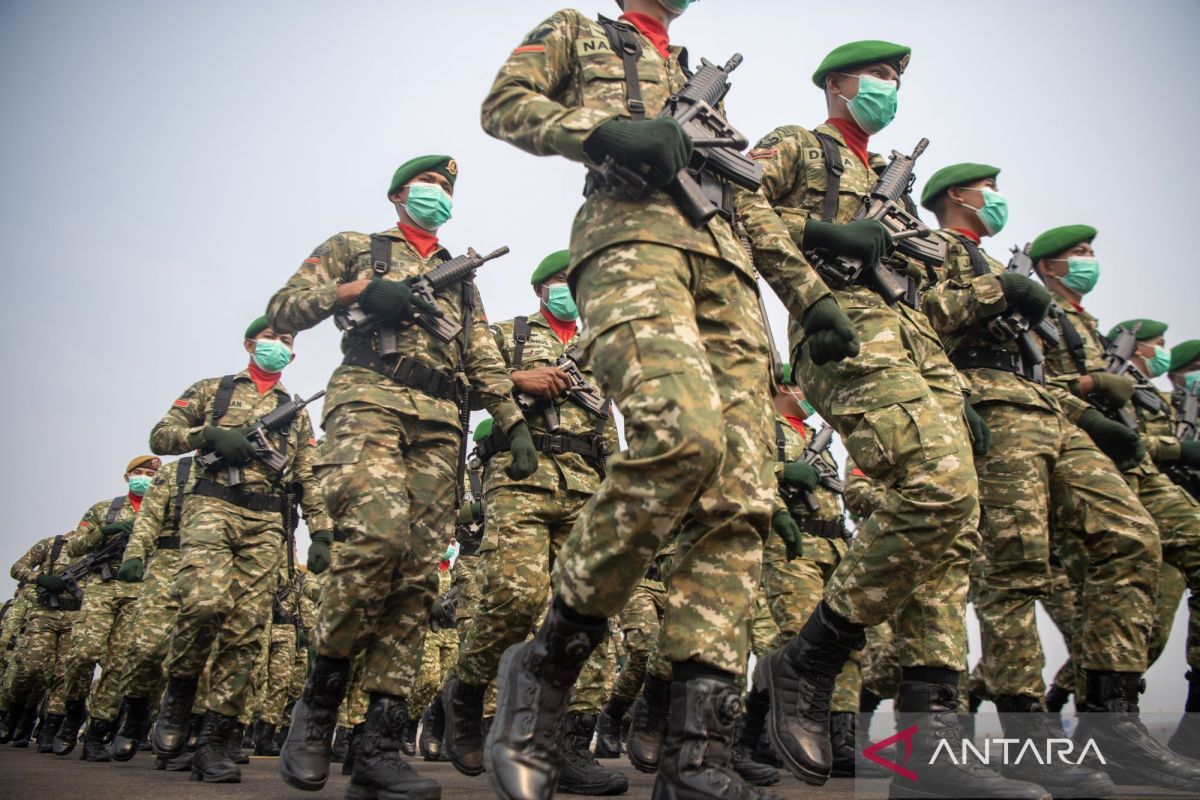
Jakarta (ANTARA) — The ceremony marking the 81st anniversary of the Indonesian National Armed Forces (TNI) was initially planned for Monas, but was moved to Cilangkap because many troops had been deployed to disaster-hit areas. On the morning of 5 October 2026, President Prabowo Subianto inaugurated 204 new TNI units. Six were new regional military commands (kodam), in the Riau Islands, the Special Region of Yogyakarta, East Nusa Tenggara, North Maluku, Central Papua and West Nusa Tenggara.
Six major generals received command staffs as the first commanders of the new kodam.
Within minutes, six regions had new command lines. Unit names were established, officials assumed responsibility and the new structures formally began operating. One thing did not automatically move with the command staffs: the knowledge that had until then flowed to the former headquarters.
The new kodam did not all start from scratch. During the initial reorganisation in 2025, the Army said five new commands were formed by upgrading existing military resort commands (korem). District military commands (kodim), subdistrict military commands (koramil) and village supervisory non-commissioned officers (babinsa) did not suddenly lose their familiarity with the areas they had long served. What changed was the organisational structure above them and where the information they gathered was channelled. The question is whether knowledge flowing through the old structure remains intact when the chain of command changes.
Reports that once went to Medan were redirected to Pekanbaru and now enter the new command structure in the Riau Islands. The people who read, compare and contextualise those reports have also changed. For a border province encompassing Batam and Natuna and facing international shipping routes, this is about more than the location of a headquarters.
Local knowledge exists at several levels. On the ground, a babinsa who has served through several seasons may know which routes remain passable when the main access road is cut off, which land dries quickly and which community figures are listened to by residents. At headquarters, knowledge takes a different form: comparisons between areas, experience dealing with previous incidents and the ability to see one region as part of a wider picture.