
After 22 Years of Waiting, Domestic Workers Finally Recognised by the State
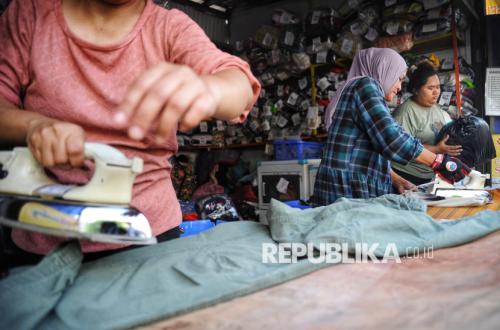
Behind tightly closed doors, millions of domestic workers (PRT) carry out nearly invisible tasks that support daily life. They are present in the intimate rhythm of domestic life, such as cooking, cleaning, and caring for children, yet ironically they have long been left in a legal grey area. The state has seemed distant from their workplaces. The passage of the Domestic Workers Protection Act (UU PPRT) on 21 April 2026 becomes a crucial moment to end this paradox. It is not merely a legislative product, but a marker that the state is finally entering the domestic space, which has long been considered private but actually harbours unequal work relations. This passage marks a new chapter in the governance of domestic work relations in Indonesia. For the first time, the state provides a binding legal umbrella for relations between employers and domestic workers (PRT), whose numbers are estimated to exceed five million people. The UU PPRT deserves to be called one of the weighty legislative products. It did not emerge instantly, but through a long, participatory process full of public pressure. For more than two decades, since first proposed in 2004, this bill has repeatedly entered the National Legislation Programme (Prolegnas), but always stalled at the final stage. Behind that long journey, there is an important role played by civil society coalitions, such as the National Network for Domestic Worker Advocacy (JALA PRT) and the National Commission on Violence against Women (Komnas Perempuan), which have consistently championed this issue. Advocacy was carried out not only through studies, public campaigns, and hearings, but also through protest actions in front of the DPR building. It is this consistently maintained pressure that finally found its momentum in the 2024-2029 Legislation Body (Baleg) period. Stronger political consolidation between the DPR and the government became a key factor. The PPRT bill entered the 2025 Priority Prolegnas and received cross-faction support. At this point, public aspirations met the political will of the lawmakers. All winners. One of the main strengths of the UU PPRT lies in the balanced relations it builds. This regulation not only protects workers but also provides certainty for employers.