
Affordable Housing Moves Further Away, Gen Z Struggles to Find Homes
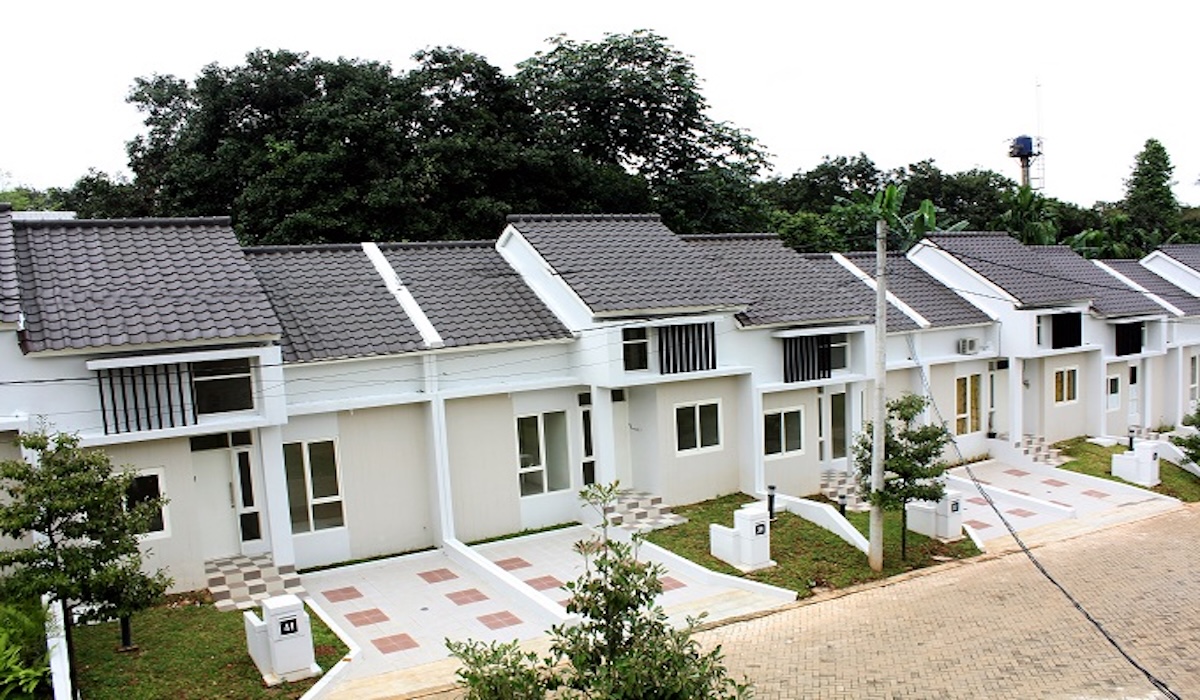
Indonesia’s housing market continues to face a product gap in the middle-class segment, especially for Gen Z and millennials who are entering the home-buying age. Knight Frank has highlighted a ‘missing middle’ phenomenon in the Rp500 million to Rp800 million price range, where housing options are deemed not yet aligned with consumer affordability and needs.
Associate Director of Research & Consultancy at Knight Frank Indonesia, Syarifah Saukat, said this condition reflects an imbalance between price, location, and product availability in the market.
“If we look at locations for landed houses priced at, say, Rp500 million and below, they are in hinterland areas. Meanwhile, non-subsidised apartments start from Rp800 million,” Syarifah said virtually recently.
She explained that this creates a void in the Rp500 million to Rp800 million price range, which is precisely an important segment for the new generation of buyers.
“In this price range there is a gap at around Rp500 million to Rp800 million. This is being filled by government programmes attempting to provide vertical housing in central city locations,” she said.
Syarifah added that Gen Z and millennials now form the majority of home seekers, yet they face a dilemma between price and location.
“The largest market preference currently is Gen Z and millennials. They can own vertical housing without having to go to the hinterland, but at a price that is relatively affordable for them,” she said.
According to her, this condition opens opportunities for developing more affordable middle-class vertical housing that remains in strategic locations.
She stressed that the main issue in the current market is not just housing availability, but the suitability between products and consumer needs.
“This means the challenge is not only providing as many units as possible, but ensuring that location, price, design, and facilities match the market’s capacity and needs,” Syarifah said.
Given these conditions, the Rp500 million to Rp800 million housing segment is considered an important space that can bridge the needs of Gen Z and millennials, who are currently squeezed between cheap houses on the outskirts and relatively expensive apartments in the city centre.