
Affirming Indonesia's Economy Remains Resilient, Purbaya Highlights APBN's Role as a Shock Absorber
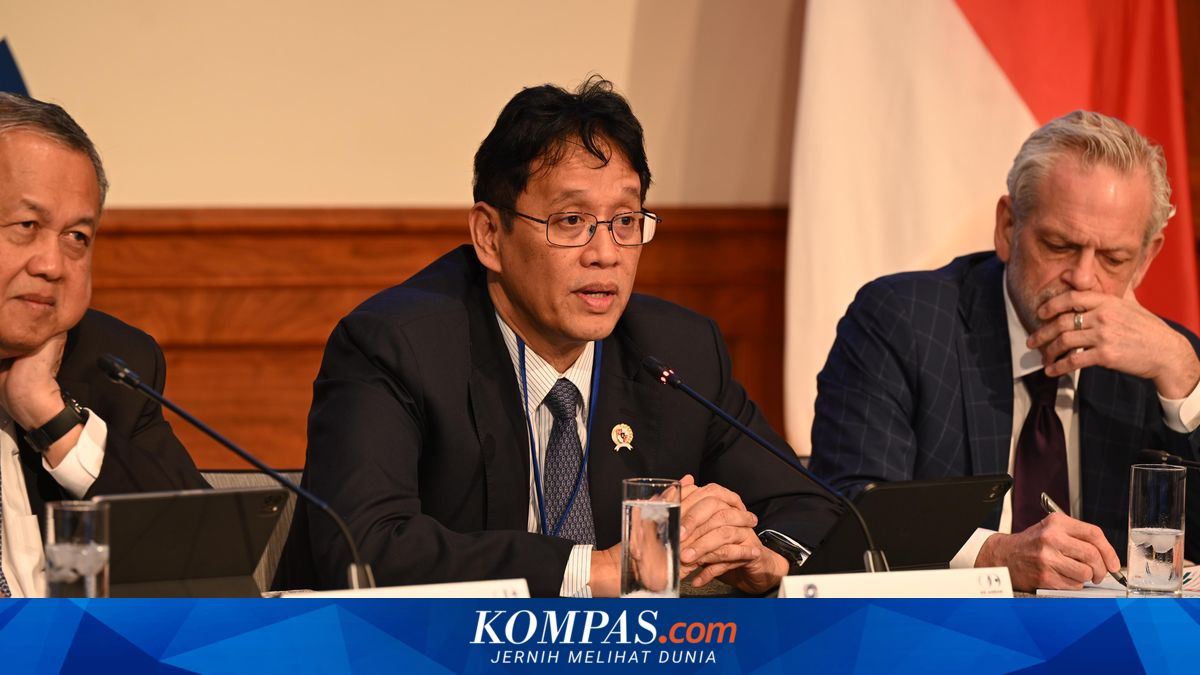
Finance Minister Purbaya Yudhi Sadewa has emphasised that Indonesia’s economic resilience remains intact amid global uncertainties, including geopolitical pressures and international financial market volatility. Purbaya stated that Indonesia’s economy continues to show relatively strong performance compared to other countries, underpinned by solid growth, low inflation, and managed fiscal deficits and debt ratios. “We are promoting downstream industries, strengthening the manufacturing sector, and enhancing human resources and efficiency. Thus, in the future, Indonesia’s growth will not only be stable but also more productive and sustainable, becoming more diversified and resilient,” Purbaya said in an official statement on Monday (20/4/2026). Purbaya explained that the government is now shifting its development focus from merely maintaining stability to achieving higher-quality growth, through three main pillars: investment, industrialisation, and productivity. In G20 forums, Purbaya also highlighted the importance of the structural reforms Indonesia has undertaken since before the global crisis occurred. According to the Finance Minister, the current economic resilience stems not solely from emergency policies but from consistent reforms. Amid global turbulence, including the impact of conflicts in the Middle East, Indonesia has still managed to maintain macroeconomic stability. Despite a capital outflow of US$1.8 billion and pressure on the rupiah exchange rate, fiscal conditions are assessed as remaining under control. Purbaya noted that the fiscal deficit remains below 3 percent and foreign exchange reserves are adequate, demonstrating the credibility of Indonesia’s economic policies. On the other hand, the government is also strengthening the utilisation of technology, including artificial intelligence (AI), to drive economic productivity. In 2025, the information and communication technology sector recorded growth of 8.35 percent, supported by enhancements to the national digital infrastructure. Nevertheless, the government remains vigilant against several risks, such as potential labour market disruptions from automation, financial stability risks, and potential fiscal erosion from cross-border digital activities. For 2026, the government is optimistic that economic growth can reach 5.4 to 6 percent. This optimism, according to Purbaya, is supported by strong domestic consumption, controlled inflation, and a trade surplus that has persisted for 70 consecutive months up to early 2026. The government also reaffirmed its commitment to strengthening fiscal buffers to respond to potential rises in global energy prices, while maintaining the stability of subsidised fuel prices to protect people’s purchasing power. During these meetings, Purbaya also held several bilateral discussions with various international partners, including leaders from the International Monetary Fund (IMF) and the World Bank. The IMF even described Indonesia as one of the “bright spots” in the global economy, thanks to strong economic fundamentals and credible policies. Moving forward, the government reaffirmed its commitment to maintaining economic stability while promoting structural transformation to achieve sustainable and inclusive growth.
Source: jawawa.id (https://jawawa.id/newsitem/affirming-indonesias-economy-remains-resilient-purbaya-highlights-apbns-role-as-a-shock-absorber-1776693064)
Originally published by Kompas (https://money.kompas.com/read/2026/04/20/200100826/tegaskan-ekonomi-ri-tetap-tangguh-purbaya-soroti-peran-apbn-sebagai-penahan?utm_source=ABC&utm_medium=rss), translated from Indonesian