
Affirmative Scholarships Strengthen Human Resource Quality in Papua
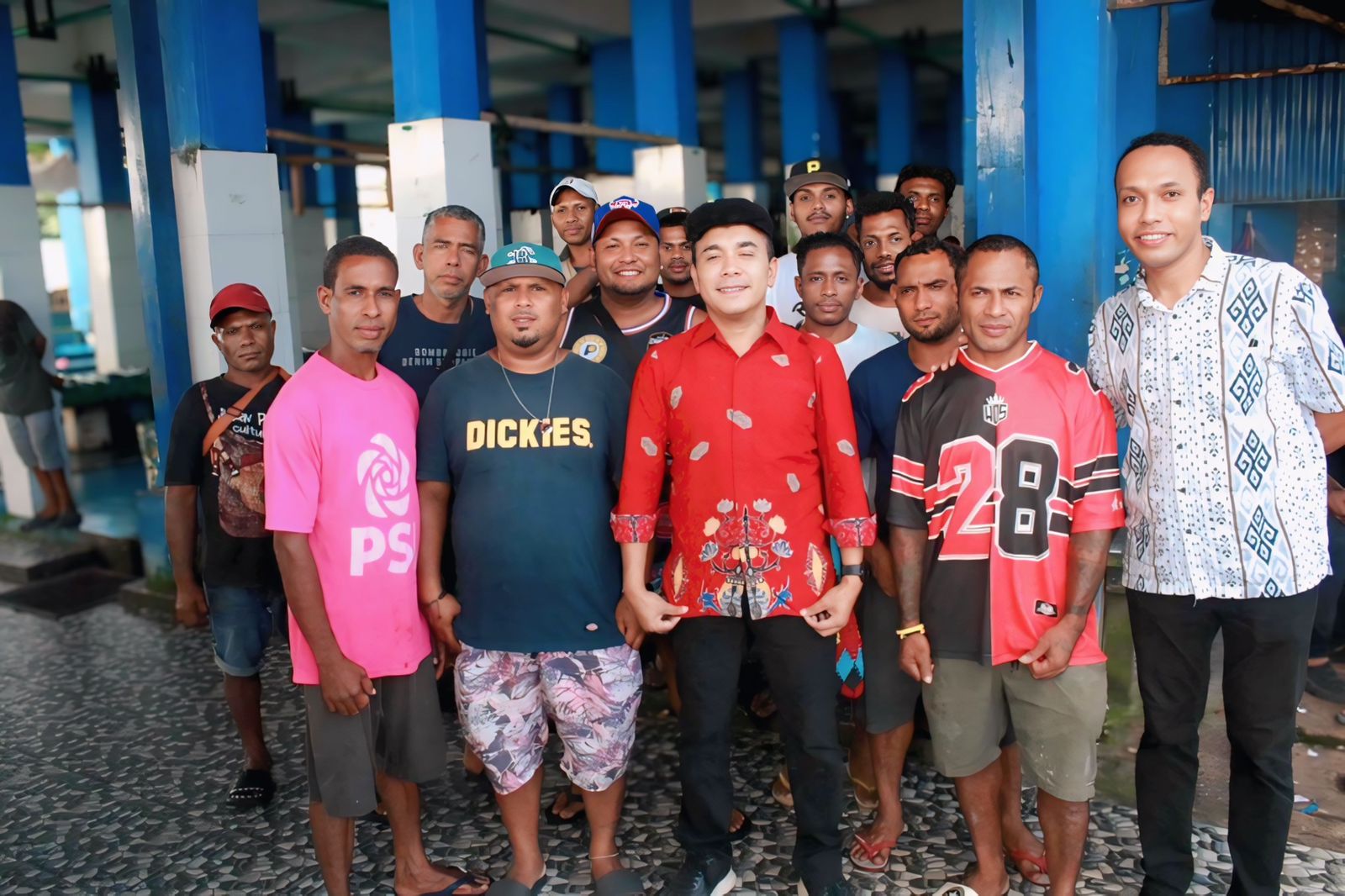
The government continues to strengthen the quality of human resources (HR) for development in the Papua region. One of them is through the affirmative scholarship programme, which currently has 1,623 active Papuan students receiving scholarships, consisting of 1,347 domestically and 276 abroad.
Member of the Executive Committee for the Acceleration of Special Autonomy Development in Papua, Billy Mambrasar, explained that this programme covers the LPDP-Papuan Youth Scholarship for S2/S3 levels, the Higher Education Affirmative Scholarship (ADik) for S1 levels, as well as the ADEM and Papua Cerdas programmes for high school/SMK students.
In another aspect, more than 10,000 Papuan students are pursuing higher education, while around 45,000 others still need support for access to education.
“Concrete steps to accelerate HR development in Papua have been taken since the first 100 days of the Prabowo Subianto administration. We are actively encouraging the expansion of scholarship access along with improvements in governance to make it more targeted and sustainable,” said Billy on Sunday (29/3/2026).
In addition to HR, he said, they have initiated innovations in special autonomy (otsus) governance through the development of a digital dashboard together with Papuan students in Surabaya.
“This initiative is to increase transparency in the use of otsus funds, including monitoring the performance of local governments in budget management. With this system, the use of otsus funds can be monitored and evaluated more openly and accountably,” he stated.
In the economic sector, strategic steps are being taken by bringing together 21 European investors with the Papua Provincial Government to encourage downstream processing and exports of cocoa commodities from the Yapen Islands, Jayapura, and South Manokwari regions.
“This initiative is already showing results; cocoa from Central Yapen Islands is currently in the investment process by a British investor, and cocoa development in Jayapura is being promoted through budget support from the Ministry of Agriculture,” he added.
Furthermore, Billy is pushing for accelerated cross-ministerial coordination in various priority sectors. One of them is the effort to revitalise Biak General Hospital so that it has the capacity equivalent to a provincial referral hospital and to ensure access to inclusive health services for the community, especially the indigenous Papuans.
These various steps reflect a development approach that is not only policy-oriented but also focused on real implementation that is directly felt by the community. “Papua does not need mere promises, but real results that can be felt by the people,” said Billy.
With the foundation that has begun to be built in the first 100 days, Billy hopes that the acceleration of Papua’s development will continue consistently, measurably, and with broad impact on community welfare.