
Adolescent girls advised to undergo iron deficiency screening
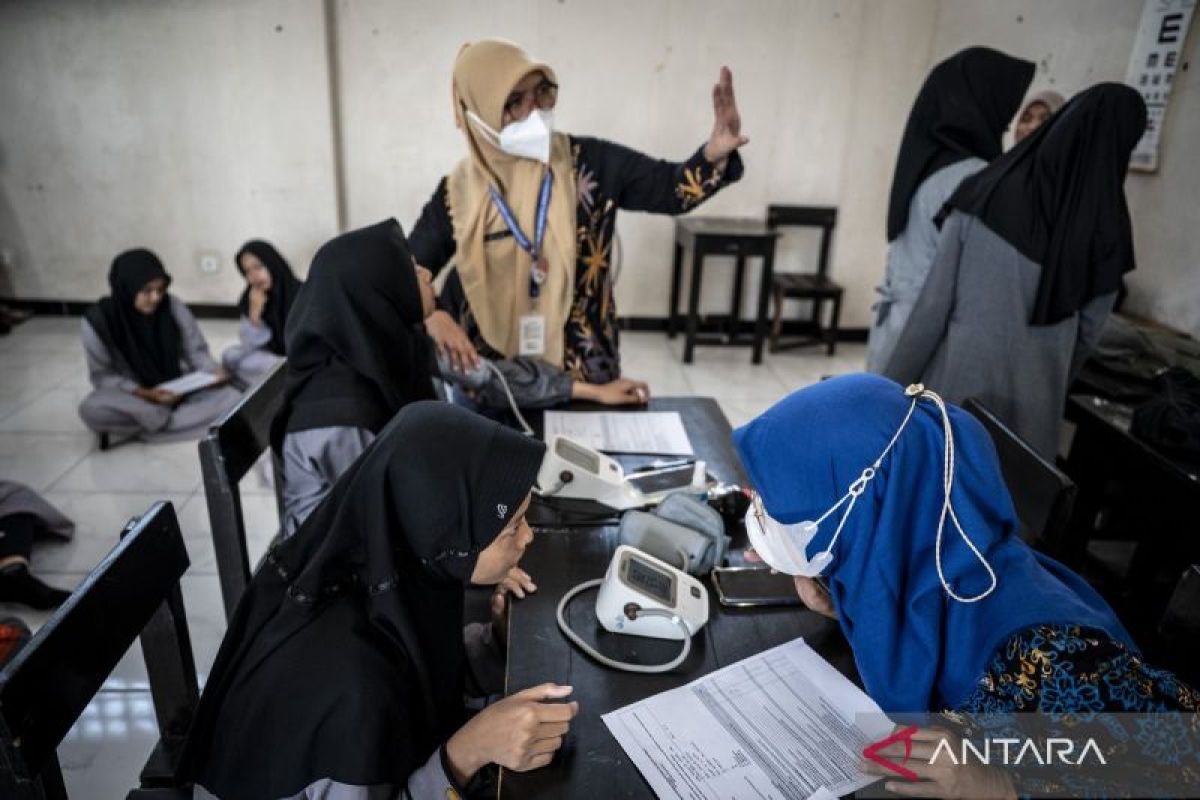
Jakarta (ANTARA) - A paediatric specialist from the Haematology Oncology Coordination Unit of the Indonesian Pediatric Society (IDLE), Prof. Dr. dr. Murti Andriastuti, Sp.A, Subsp.H.Onk.(K), has emphasised the need for iron deficiency screening in adolescent girls after they experience their first menstruation.
“Adolescent girls are experiencing rapid growth, and there is also the factor of menstruation, which we must assess and evaluate. If menstruation is too heavy or lasts too long, it will eventually lead to iron deficiency disease,” she stated during an IDAI online seminar in Jakarta on Tuesday.
According to her, iron deficiency testing is vital to detect and prevent problems caused by iron shortages, which can persist as adolescents reach adulthood and pregnancy. “If a pregnant woman has iron deficiency, it will affect her baby and the birthing process,” she added.
She noted that efforts to prevent iron deficiency must be carried out continuously, starting from adolescence, through pregnancy, and into the early stages of the child’s life. “If we look back, we previously only worked for babies, but we should start preparing from adolescence, as they must not experience iron deficiency,” she said.
According to information broadcast on the official Ministry of Health website, iron deficiency is a condition that occurs when the body does not have enough iron to produce haemoglobin, the protein in red blood cells that binds and transports oxygen throughout the body.
Symptoms of iron deficiency can include fatigue and weakness, pale skin and under-eye areas, rapid or irregular heartbeat, difficulty concentrating, headaches, hair loss, and brittle nails.
Dr Murti also noted that iron deficiency can occur before haemoglobin (Hb) levels drop enough to cause anaemia. In such conditions, girls or adolescents may appear healthy and active even though their body’s iron reserves are declining.
The AAP recommends screening for all adolescent girls after their first menstruation or at a maximum age of 14 years.
The recommended examinations, according to Dr Murti, include checking Hb levels as well as serum ferritin testing to determine iron reserve status.
She stated that prevention and early detection efforts can help reduce the incidence of iron deficiency in adolescent girls. If left untreated, iron deficiency can lead to severe iron deficiency anaemia, cognitive and physical development problems in adolescents, and a weakened immune system.
Furthermore, iron deficiency in adolescent girls can persist into adulthood, posing health risks during pregnancy and affecting the health of the children born.