
Adkasi: Grain absorption policy at Rp6,500/kg improves farmers' welfare
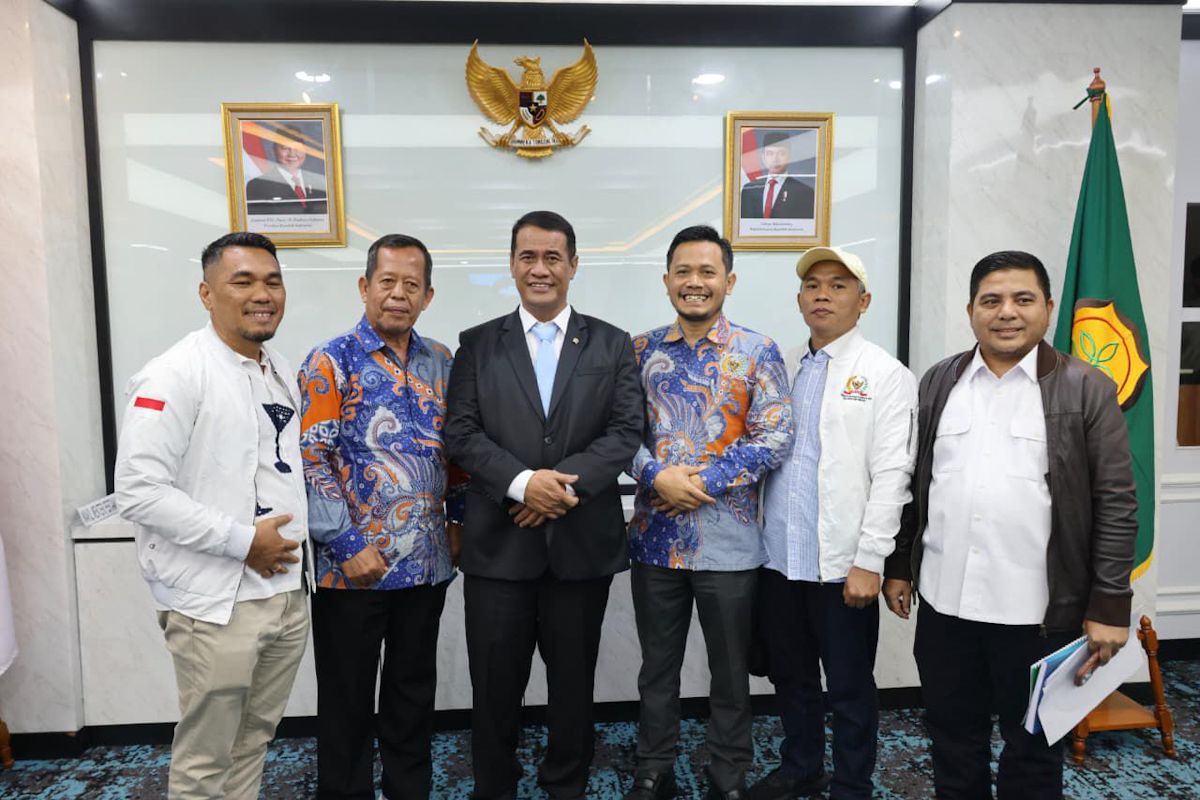
Jakarta (ANTARA) - The Association of Indonesian District Councils (Adkasi) has assessed that the government’s policy of absorbing grain at a price of Rp6,500 per kilogram has increased farmers’ incomes while strengthening the welfare of communities across various regions. “The current grain price is at a good level. Farmers are earning decent profits, while rice prices remain manageable. In our view, this balance must be maintained,” said Adkasi Chairman Siswanto in a statement in Jakarta on Tuesday. Siswanto, who also serves as Chairman of the Blora District DPRD, conveyed this during a meeting between Adkasi officials and Minister of Agriculture Andi Amran Sulaiman at the Ministry of Agriculture’s headquarters in Jakarta on Monday. Adkasi appreciates the government’s policy of maintaining the government purchase price for grain at Rp6,500 per kilogram, which has increased farmers’ incomes and welfare across various regions. The grain absorption policy is one of the most tangible breakthroughs in strengthening national food security while providing income certainty for farmers. He said reports from the regions indicate that farmers are now experiencing significant changes since the government strengthened the grain pricing policy, simplified subsidised fertiliser distribution, and implemented various agricultural production enhancement programmes. He acknowledged that based on the results of the Regional Coordination Meeting of District Councils across Sumatra Island, which was attended by 10 provinces, the association received many positive reports regarding the agricultural sector. “We have seen firsthand that the government’s policies through the Minister of Agriculture are having a real impact on farmers,” he stated. According to Siswanto, the government’s success in maintaining the grain purchase price at Rp6,500 per kilogram has created a good balance between the interests of farmers, business actors, and the community. In addition to the grain pricing policy, Adkasi also appreciates the reform of subsidised fertiliser governance, which is now considered easier for farmers to access at more affordable prices. “From reports by fellow DPRD members in various regions, fertiliser is now genuinely easier to obtain and cheaper. Most importantly, the policy does not just exist on paper but is truly felt on the ground. This deserves appreciation,” he explained. Adkasi believes that the policies implemented by the government are beginning to change the public’s perception of the agricultural sector. In several regions, interest among the younger generation to return to farming has started to increase because the agricultural sector is seen as increasingly promising economically. “This shows that the policies implemented by the government have provided new optimism for the national agricultural sector,” Siswanto said. In addition to expressing appreciation for the success of agricultural programmes, Adkasi also conveyed several regional aspirations, including the development of strategic commodities such as sugarcane, livestock, and oil palm. According to Siswanto, the dialogue forum established by the Ministry of Agriculture with regional governments is very helpful in aligning central and regional policies. “This is important so that central policies and regional needs can go hand in hand in supporting national food security,” he said. Adkasi also appreciates the support of the Directorate General of Livestock and Animal Health of the Ministry of Agriculture, which actively conducts education and mentoring for regional governments, thereby beginning to encourage community interest in livestock businesses as a new source of income. Meanwhile, Minister of Agriculture Andi Amran Sulaiman emphasised that the government will continue to maintain policies that favour farmers by strengthening grain prices, fertiliser distribution, and national food production. Amran assured that all input from Adkasi will be followed up together with all ranks of the Ministry of Agriculture as part of refining the national agricultural sector development programme. He stated that the food security programme cannot be run by the central government alone but requires close collaboration between regional governments, district councils, farmers, and agricultural business actors. He expressed optimism that the food self-sufficiency target, as directed by President Prabowo Subianto, can be achieved if all stakeholders work together to strengthen production, distribution, and the development of the national agricultural sector. Amran stressed that the success of agricultural development must be measured by the increased welfare of farmers as the main actors who play a role in maintaining national food security and availability. Therefore, the government is committed to ensuring that farmers receive profitable selling prices, lower production costs, and easier access to various means of production.