
Addressing Regions with Low Animal Protein, LazisMu Discusses Hajj Dam Fiqh and Sacrifice Distribution
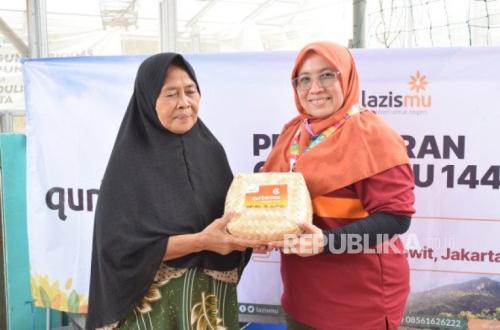
Issues surrounding the dam in Hajj pilgrimage organisation continue to attract attention, particularly for Indonesian pilgrims. Amid evolving Hajj fiqh dynamics, Muhammadiyah through its Majelis Tarjih and Tajdid of the Central Leadership (PP) Muhammadiyah has issued a fatwa that the dam can be redirected to Indonesia to achieve broader benefits.
The study was discussed in the Ziska Talk Special Qurban titled “In-Depth Analysis of Hajj Dam Fiqh and Best Practices for Sacrifice to Bring Happiness to Others,” organised by LazisMu at Studio TVMU, Muhammadiyah Central Dakwah Building, Jakarta, recently.
Asep Shalahudin, a member of the Fatwa Division and Development of Guidelines of Majelis Tarjih and Tajdid PP Muhammadiyah, stated that the fatwa emerged from a four-year interdisciplinary study process since 2022.
Asep explained that dam is fundamentally an obligation to slaughter an animal for Hajj pilgrims under certain conditions. “By definition, Dam is the slaughtering of a goat, cow, or camel that is obligatory for a Hajj pilgrim due to certain causes or factors behind it,” Asep clarified.
He said that by original law, the dam slaughter is performed in the Holy Land. However, there are several conditions that open the door for legal shifts, especially to achieve the objective of welfare from the Maqashid Syariah perspective.
According to Asep, there are three main considerations in the study: the potential for environmental damage due to mass slaughter in Saudi Arabia, suboptimal distribution of dam benefits, and the still numerous poor communities in Indonesia who need access to animal protein.
In the study by Majelis Tarjih and Tajdid PP Muhammadiyah, redirecting Indonesian Hajj pilgrims’ dam to Indonesia is deemed capable of delivering greater social benefits without abandoning Sharia values. However, he emphasised that its implementation must be carried out with integrity, transparency, and on target.
The issue of sacrifice meat distribution also drew attention from Tirto’s Editor-in-Chief, Rachmadin Ismail. He assessed that disparities in red meat consumption in Indonesia remain quite high, especially in the outermost, frontier, and underdeveloped regions.