
Activist from 'Bali Tidak Diam' Faces Six-Month Prison Demand
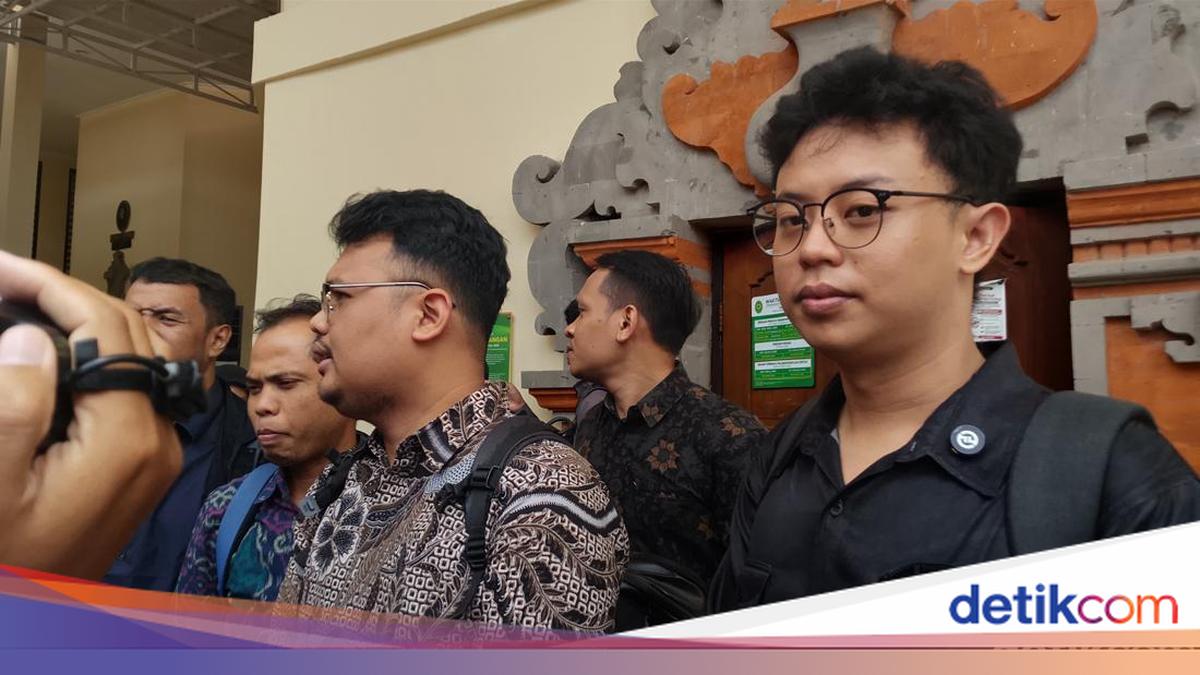
Prosecutor Eddy Arta Wijaya has demanded a six-month prison sentence for ‘Bali Tidak Diam’ activist Tomy Priatna Wiria in a case concerning alleged incitement. During the sentencing hearing at the Denpasar District Court on Tuesday, the prosecutor stated that Tomy was proven to have violated Article 247 of the new Criminal Code regarding public incitement or incitement through information technology.
‘We demand that the defendant Tomy Priatna Wiria be sentenced to six months in prison, reduced by the time already served in detention,’ the prosecutor stated. The prosecution argued that all elements of Article 247 of the Criminal Code had been fulfilled. Tomy was deemed proven to have broadcast, displayed, played, or disseminated information containing incitement with the intent of making it publicly known. The prosecutor cited Tomy’s actions as an aggravating factor because they were considered to have disrupted security and public order, while his polite demeanour during the trial was considered a mitigating factor.
Responding to the demand, Tomy’s legal counsel, Ignatius Radhite, stated that his team would submit a defence plea. Tomy will also deliver a personal defence. ‘We are submitting a plea. Both the legal counsel and the defendant will submit a plea. We are requesting two weeks to review the prosecutor’s demands,’ Ignatius said. The panel of judges subsequently scheduled the plea hearing for Thursday, 20 July 2026. Ignatius noted that his team needed time to re-examine the construction of the prosecutor’s demands against the facts revealed during the trial.
He highlighted the six-month prison demand, noting that the sentence must be reduced by the time Tomy has already spent in detention. ‘Tomy is being demanded six months minus time served. This means Tomy has already been detained for more than six months,’ he said. Ignatius also questioned the basis for the prosecutor’s demands, arguing that the construction relied more heavily on the police investigation report than on the facts presented in court. ‘The demands built by the prosecutor do not refer to the trial facts, but to the BAP,’ he stated. He mentioned that several witnesses actually revealed repressive actions they had experienced, which should have been considered in viewing Tomy’s case comprehensively.
Ignatius further scrutinised the prosecutor’s use of Article 247 of the Criminal Code, insisting that the article must be viewed based on the indicted elements and the concrete facts proven in court. He therefore assessed that the six-month demand did not reflect the trial facts. Furthermore, Ignatius claimed that the legal process against Tomy had instead strengthened his client’s position as a human rights defender voicing criticism and freedom of expression. He also highlighted a three-week delay in the reading of the demands, suggesting it indicated a lack of confidence in the prosecution’s case.
Meanwhile, Tomy asserted that he never felt he had committed the acts he was accused of. He maintained that what he voiced were issues and aspirations felt by citizens and the community. ‘I have never once felt guilty. Looking at the trial facts, Tomy should be freed. This six-month demand is just a formal demand from the prosecutor,’ Tomy said after the hearing. He argued that conveying such aspirations is part of the public’s right to express opinions and criticise government policy, and therefore he should be acquitted.
The case against Tomy Priatna Wiria originated from his activities with the ‘Bali Tidak Diam’ movement in August 2025. Tomy, known as an activist and human rights advocate, was subsequently processed legally over a number of activities and posts that investigators and prosecutors deemed to contain incitement. The prosecution brought the case to the Denpasar District Court, where the prosecution and the defence have held differing views on the context of the posts and activities forming the basis of the charges. The defence has consistently denied the accusations, arguing that their client’s activities are part of freedom of expression and a citizen’s right to criticise the government.