
'Active police in civilian roles lack societal urgency' - expert
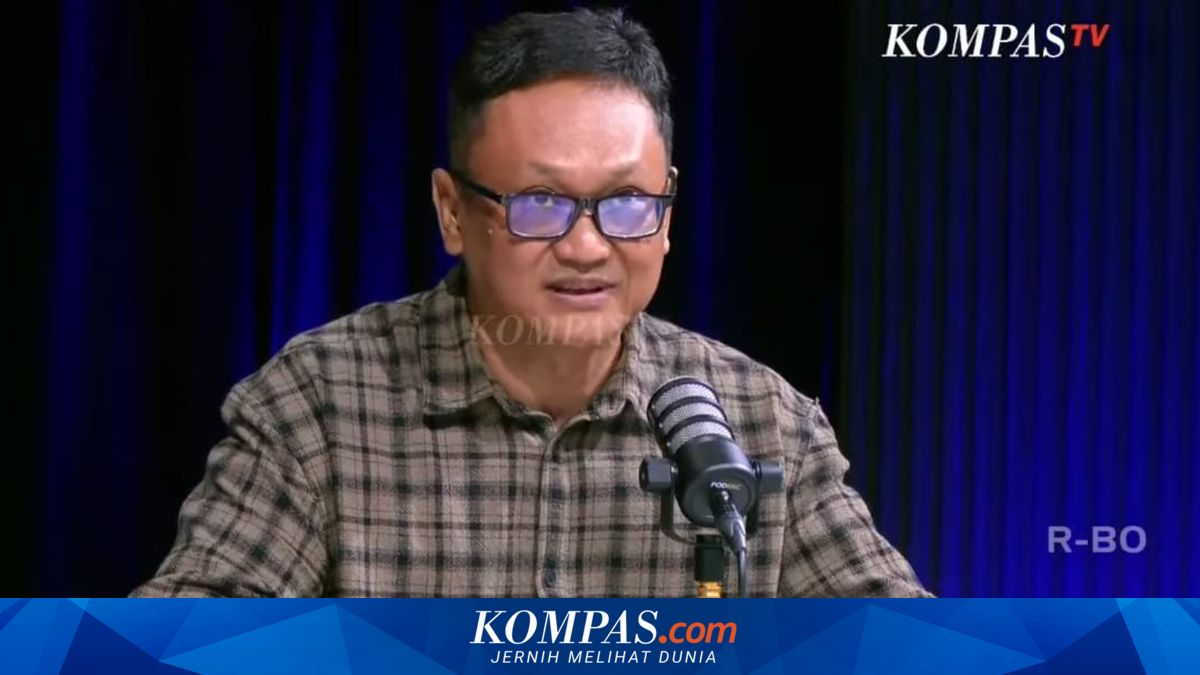
JAKarta, Kompas.com -Police observer Bambang Rukminta from the Institute for Security and Strategic Studies (ISESS) has stated that placing active police officers in civilian positions almost lacks societal urgency. He commented on the draft revision of the Police Law (RUU Polri), which aims to reduce civilian positions available for active police. “It accommodates Polri’s own interests as it fails to build a human resource development system internally. For society, there is almost no urgency whatsoever,” Bambang told Kompas.com on Thursday (28 May 2026). He added that the draft revision contradicts Law No. 2 of 2002 on Polri. “The substance of the Police Law revision draft does not add or subtract but contradicts Law No. 2 of 2002 on Polri itself,” he said. Bambang explained that currently, placing active police outside the police structure without early retirement or resignation violates Article 28 of the Polri Law, which has been legally binding after a Constitutional Court ruling. “Currently, many placements of Polri personnel outside the structure without early retirement or resignation are violations of Article 28 of the Polri Law, which has been final and binding by the Constitutional Court,” he stated. Bambang emphasised that the spirit of Law No. 2 of 2002 is to foster a professional, independent police institution with separation from civilian government functions to prevent conflicts of interest, given Polri’s broader law enforcement authority compared to regular civil servants. ” The spirit of Law No. 2 of 2002 regarding personnel placement outside the structure is to encourage a professional and independent Polri, separate from civilian government functions,” he explained. He added that if the revised law still allows active police to fill certain ministries or institutions without early retirement, it would be seen as a political compromise to maintain the status quo. “This compromise could politically be interpreted as power structures’ efforts to keep Polri under their influence,” he said.