
Active non-alignment amid a fragmented, multipolar world order
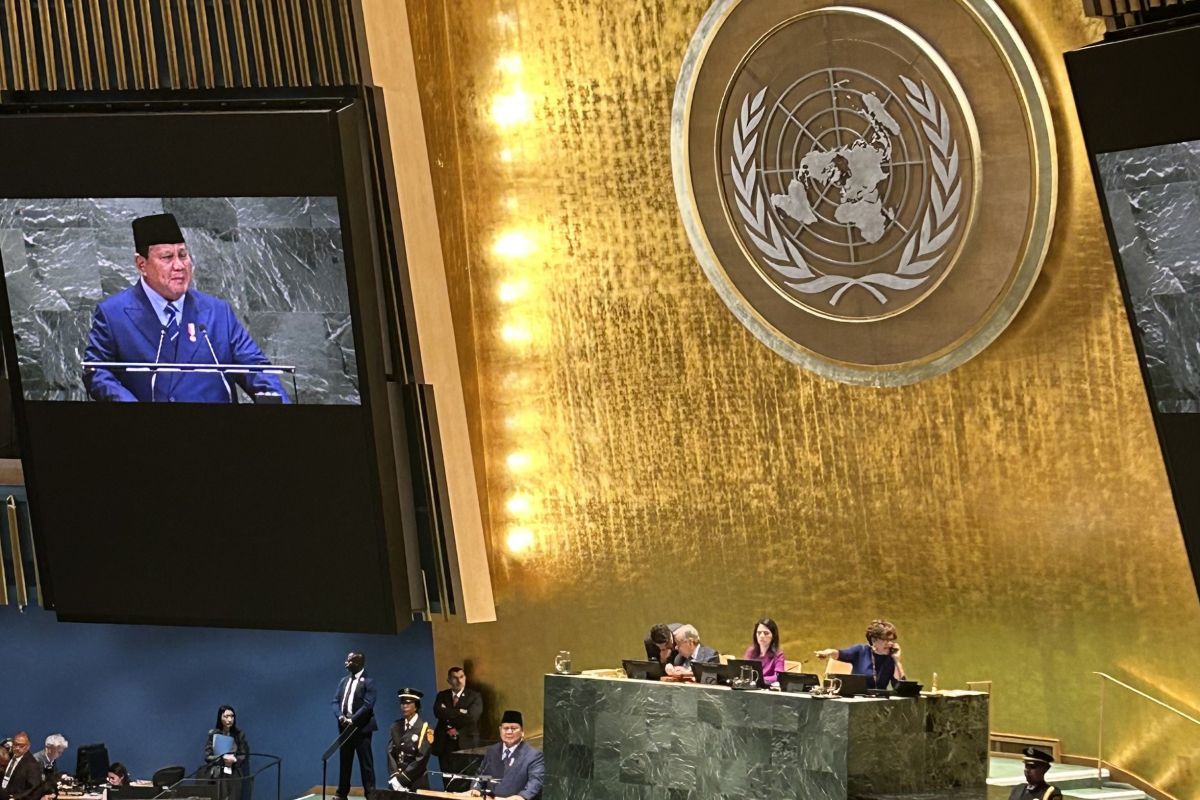
Jakarta (ANTARA) – The global geopolitical stage today presents a striking contrast.
On one side, diplomatic corridors and defence headquarters are occupied with calculations over arms deals worth tens of billions of dollars.
At the same time, from September to October 2026, waves of mass protests and civil tensions spread across various parts of the world, from Paris, France, and Tirana, Albania, to Quito, Ecuador, and La Paz, Bolivia.
Under President Prabowo Subianto, Indonesia is continuing to modernise its military through a strategy of multi-alignment.
This includes commitments to acquire 24 F-15EX fighter jets and 24 Black Hawk helicopters from the United States, 42 Dassault Rafale fighter jets and Scorpène Evolved submarines from France, as well as plans to buy Chengdu J-10 fighter jets from China in a deal worth US$9 billion (SIPRI 2026).
Meanwhile, Reuters reported that hundreds of thousands of people in France took to the streets, blocking fuel depots and ports to protest against tighter budget controls and rising energy prices.
The juxtaposition of large defence budgets and public unrest reflects the high level of uncertainty in an increasingly fragmented international order.
The world order is now undergoing a fundamental structural shift. The global economic integration that had become deeply embedded over recent decades is gradually loosening and splitting into competing regional blocs.
Geopolitical analyst Ian Bremmer describes this as the G-Zero era: a situation in which no major power dominates the direction of the global agenda, giving rise to a fragmented, multipolar order (Eurasia Group, 2026).