
Achieving a Clean Jakarta: DKI DPRD Prioritises Waste Management Programmes
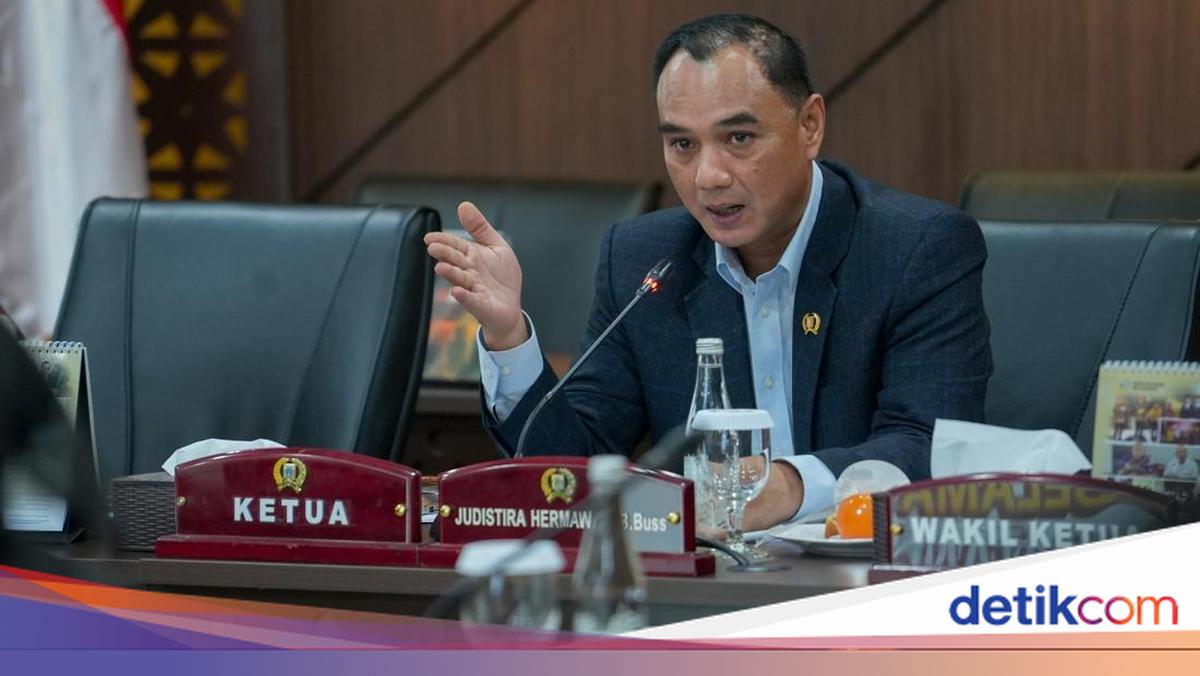
To achieve a clean, healthy, and sustainable Jakarta, effective strategies are required. The Jakarta DPRD is encouraging the strengthening of waste management from the upstream level through household-level sorting, the optimisation of waste banks, the improvement of processing facilities, and the use of modern technology to reduce reliance on landfills.
The hope is that these efforts will improve environmental quality and support significant waste reduction targets in Jakarta. The Chairperson of the Special Committee (Pansus) for Waste Management of the Jakarta DPRD, Judistira Hermawan, stated that they are prepared to untangle the complexities of waste management from upstream to downstream, focusing on four priority programmes: infrastructure, regulation, technology, and the improvement of fleet management.
The Special Committee has highlighted the lack of supporting infrastructure for waste sorting at the RW (community unit) level, noting that the Jakarta Environmental Agency has previously only issued appeals without providing adequate facilities. “We cannot demand community involvement if we do not prepare the necessary infrastructure properly,” said Judistira in a written statement on Thursday.
Furthermore, the Special Committee is focusing on the consistent enforcement of Regional Regulation (Perda) Number 4 of 2019 regarding waste management. Judistira emphasised the importance of imposing strict sanctions on sectors that fail to manage waste independently, such as market areas managed by the regional-owned enterprise (BUMD) Pasar Jaya. “Synergy between agencies and BUMDs like PD Pasar Jaya must operate under a single vision to manage waste independently,” he asserted.
Regarding waste processing technology, the Special Committee is assessing various renewable options tailored to Jakarta’s needs, including Waste-to-Energy (PSEL), Refuse Derived Fuel (RDF), and biological processing such as maggot cultivation and composting. Judistira noted that selecting the right technology will foster a circular economy ecosystem in Jakarta, turning waste from a burden into a valuable economic commodity.
Additionally, the Special Committee will focus on improving the management of waste collection vehicle fleets, as many existing vehicles are no longer fit for operation. “This is crucial as we have been receiving numerous direct complaints from the public,” Judistira concluded.