
Aceh's Resource Curse: New Gas Discovery Rekindles Old Fears of Conflict and Inequality
Jakarta (ANTARA) - There is a saying alive among the people of Aceh: “Wherever the Acehnese prostrate, there natural resources emerge.” This sentence is neither a religious doctrine nor a geological fact; it is a metaphor born from historical experience.
Almost every time Aceh discovers new natural wealth, the community is instead faced with a new chapter of competing interests, power struggles, and potential social conflict. Aceh seems cursed by its own paradox. The land that gave birth to scholars, martyrs, and the Islamic civilisation of the Nusantara also holds natural gas, gold, coal, tropical forests, and biodiversity that are targets for various economic interests. Unfortunately, history shows that the greater the economic value of a region, the higher the potential for accompanying conflict.
This experience occurred in Arun during the discovery of gas fields in the 1970s. For decades, the Arun gas field was one of Indonesia’s largest foreign exchange earners. However, for some segments of the Acehnese community, the grandeur of the LNG industry did not always translate directly into increased local welfare. Development inequality, a lack of multiplier effects on the regional economy, and a sense of marginalisation became part of a long narrative that subsequently contributed to the escalation of conflict in Aceh.
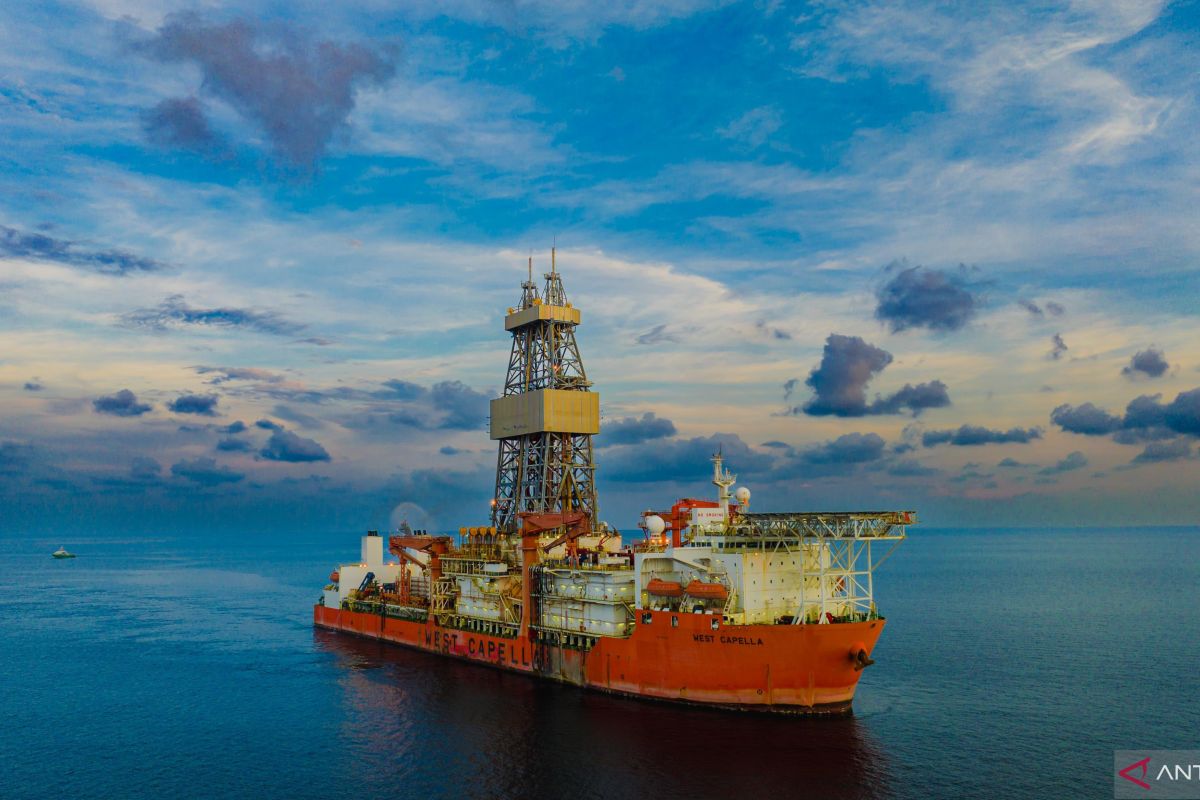
Now, history seems to be testing Aceh once again through the discovery of giant gas reserves in the Andaman Block area in mid-May 2024. This discovery is projected to become one of Indonesia’s largest energy projects in the coming decades.
The Aceh Government is encouraging the downstreaming of this gas through industrial zones and the Arun Special Economic Zone (KEK), so that it does not merely become an export commodity, but is capable of creating industry, jobs, technology transfer, and the improvement of the quality of Aceh’s human resources.
The debate regarding the development and downstreaming schemes shows that the primary issue is no longer just about oil and gas production, but rather who gains the added value from such wealth. That question is far more important than simply calculating how many trillions of rupiah in investment will enter. Because history teaches us that resource conflicts almost always begin with the unequal distribution of benefits.