
Aceh Tamiang Oil Palm Smallholders Prepare for Superior Sustainable Cultivation
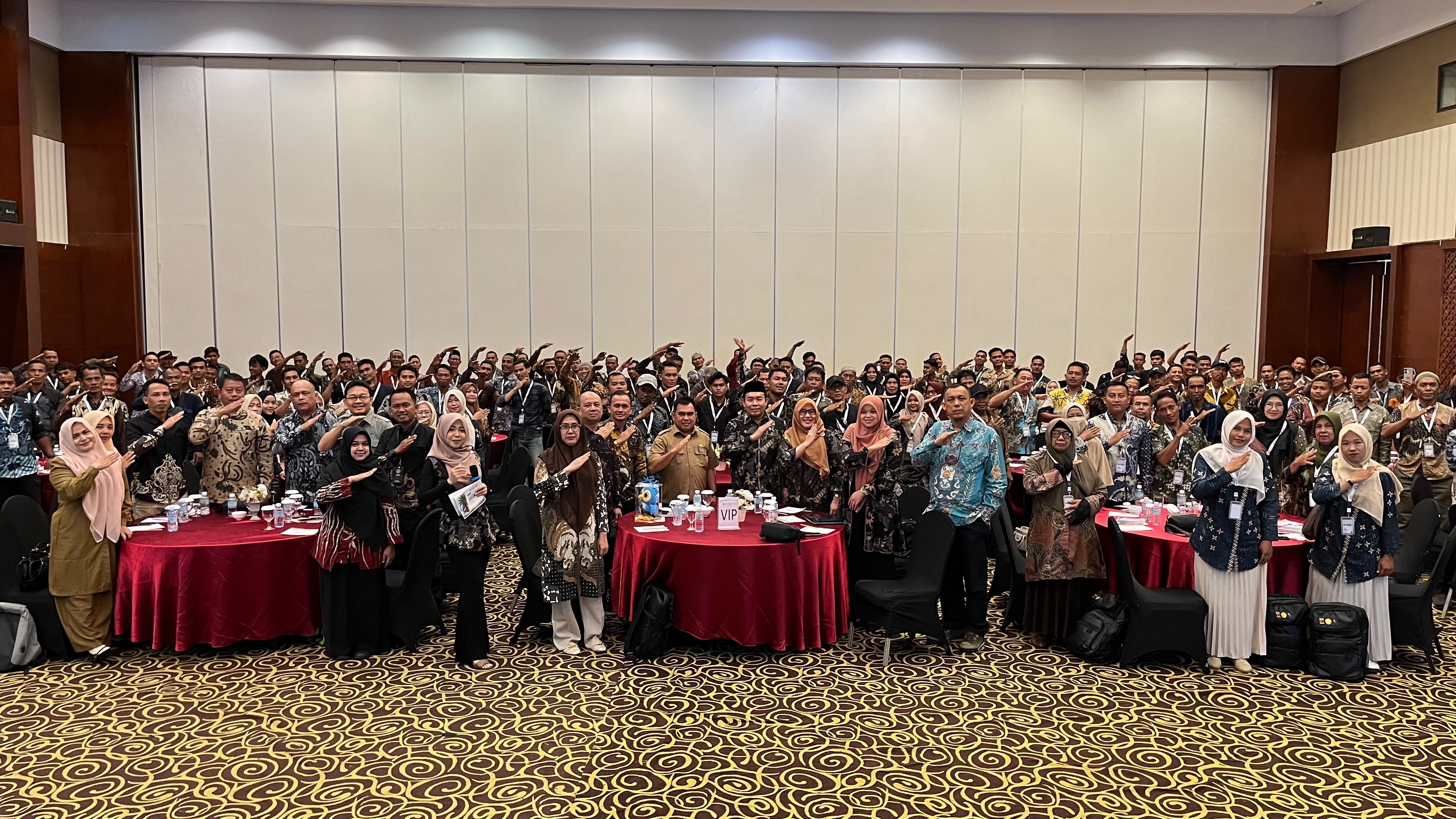
A total of 151 independent oil palm smallholders from Aceh Tamiang Regency, Aceh Province, took part in a Cultivation Training programme under the Plantation Human Resources Development scheme, organised by PT Forestcitra Sejahtera (Mutu Institute).
The training was held at a hotel in Banda Aceh over one week, from Monday to Saturday (13–18). It was opened by the Head of the Horticulture Seed Centre, Food Crops and Plantation Crops Technical Unit of the Aceh Agriculture and Plantation Service, Ahmad Zaini.
In his remarks, he said that oil palm plays an important role in driving the economy of the people of Aceh, particularly in plantation centres such as Aceh Tamiang.
“Independent oil palm smallholders need to continuously improve their knowledge and skills so that they are able to manage their plantations properly, productively and sustainably,” Ahmad Zaini said on Monday (13/7).
According to Zaini, progress in Aceh’s palm plantation sector must be accompanied by improvements in the quality of smallholders’ human resources.
The programme was funded by the Plantation Fund Management Agency (BPDP). Through training funding, BPDP is directly helping independent smallholders improve their competence, refine cultivation practices and strengthen the competitiveness of community-grown palm oil. BPDP’s support for this activity reflects its commitment to building the capacity of Indonesian palm oil farmers.
At the opening of the training, Commissioner of PT Forestcitra Sejahtera (Mutu Institute), Sumarna, in his report and remarks, explained that the training was designed to address smallholders’ technical needs in the field. Sumarna also noted that global demand for oil palm remains wide open, as the commodity is used in the food, energy, cosmetics and pharmaceutical sectors, as well as in a range of downstream industries.
Participants will be taught about selecting superior seedlings, nursery management, plant maintenance, fertilisation, pest and disease control, and estate management in line with sustainability principles. Superior cultivation techniques are an important undertaking, as the quality of the nation’s palm oil is very much determined by smallholders’ ability to apply good plantation practices from the upstream onwards.
Quality palm oil must begin with good and proper cultivation, from the use of superior seedlings and correct plant care to measured fertilisation and consistent, sustainable estate management.
Over the six days of the programme, participants will follow learning focused on strengthening practical oil palm cultivation skills. The training is expected not to end as a ceremonial event, but to genuinely equip smallholders to improve the management of their respective plantations.
The training programme represents a concrete step towards strengthening the capacity of community palm oil smallholders so they can manage their estates more productively, efficiently and sustainably.