
Aceh Special Autonomy Funds: State Urged to Ensure Healthy Management, Not Just Routine Transfers
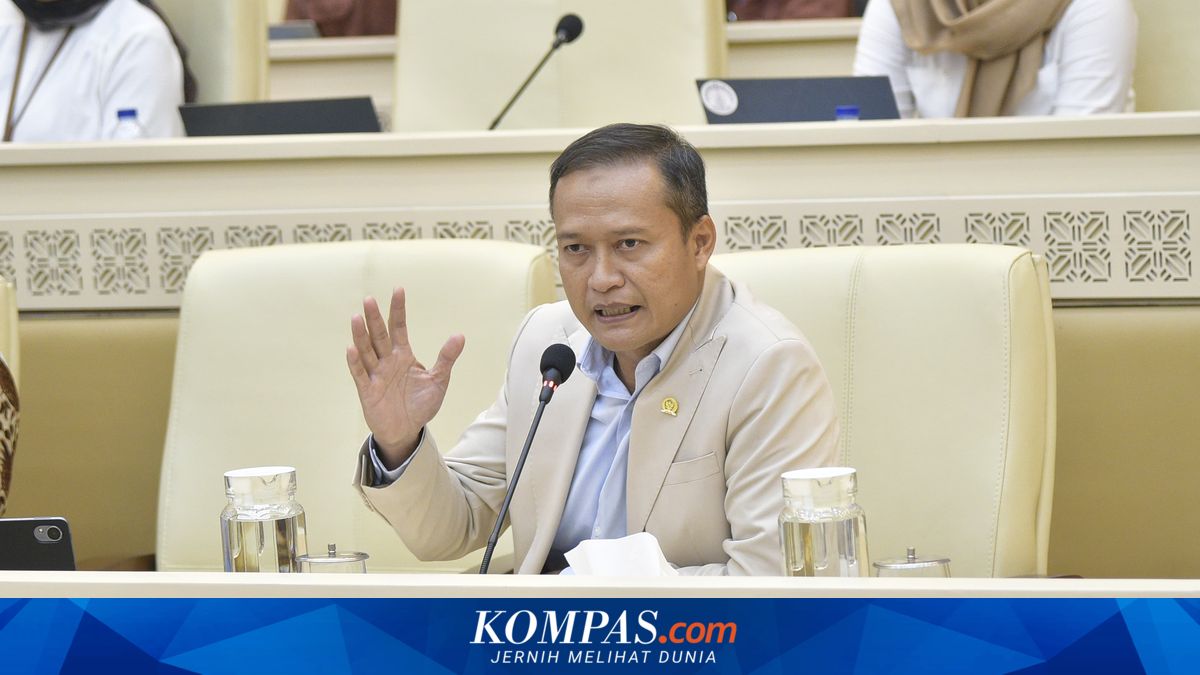
JAKARTA, KOMPAS.com - Azis Subekti, a member of DPR Commission II from the Gerindra faction, stated that the proposal to extend Special Autonomy Funds (Otsus) for Aceh following flash floods and landslides is fundamentally a policy that is morally difficult to reject.
Azis conveyed that the state must continue to be involved and work hard for regions struggling to restore collapsed homes, damaged infrastructure, disrupted public services, and a battered economic pulse.
“However, long experience in budget management repeatedly reminds us of one reality: large amounts of money do not always produce great changes,” said Azis in his statement on Tuesday (14/4/2026).
“Too often we witness budgets increasing, reports neatly prepared, but improvements on the ground moving far slower than promised,” he added.
According to him, a far more fundamental issue is whether the governance of its utilisation is healthy enough to ensure that these large funds truly transform into welfare for the people of Aceh.
Azis then referenced the statement by Interior Minister Tito Karnavian, who emphasised that Otsus funds must provide real and measurable benefits to society.
“That affirmation should be read not as bureaucratic formality, but as an acknowledgement that the greatest challenge of Aceh’s Otsus funds so far has not been the size of the funds, but how they are managed and directed,” said Azis.
Furthermore, Azis pointed out that Aceh has received substantial Otsus funds for nearly two decades.
He assessed that poverty in Aceh remains high, unemployment is not fully under control, and fiscal dependence on the central government is still strong.
“This fact is certainly unfair if read as a total failure of the Otsus funds. However, it would be equally dishonest to refuse to acknowledge that the size of fiscal transfers has not fully corresponded to the quality of changes,” he said.
Azis explained that additional post-disaster funds must be directed with discipline towards truly urgent needs, such as rebuilding basic infrastructure, restoring schools and health facilities, strengthening protection in disaster-prone areas, and reviving economic activities for affected communities.
These funds must not again dissolve into routine bureaucratic spending or ceremonial programmes, documented neatly but barely felt in the lives of residents.
Moreover, Azis urged that the oversight pattern for Aceh’s Otsus funds must change.