
Aceh Rushes to Fully Absorb Additional Regional Transfer Funds Before December
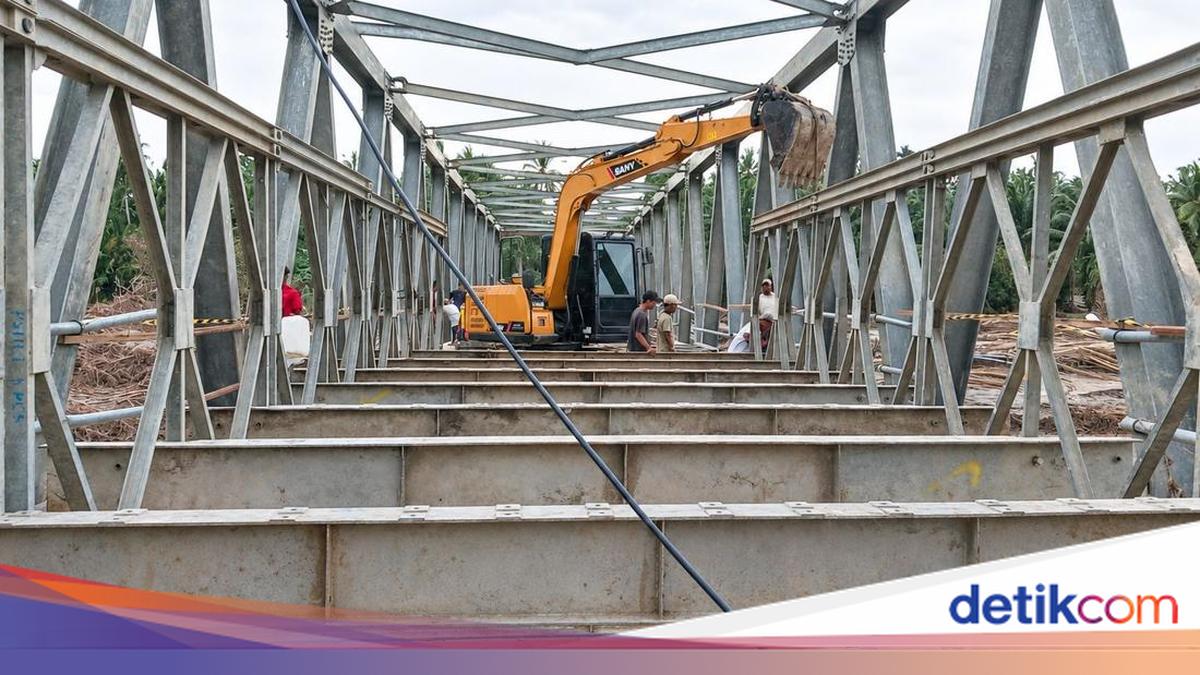
The acceleration of additional Regional Transfers (TKD) realisation across Aceh continues to be optimised. The funds are allocated for hydrometeorological disaster recovery, covering infrastructure repairs, health services, education and agriculture. The target is for full absorption of the funds before December 2026.
Nevertheless, progress on the ground still needs improvement. Data from the Directorate General of Regional Finance at the Ministry of Home Affairs as of 4 September 2026 shows that realisation of the additional TKD in Aceh Province and its regencies and cities has reached Rp115.6 billion, or 6.37 per cent of the total allocation of Rp1.82 trillion.
Most regions still record absorption rates below 15 per cent. So far, three regions have exceeded 15 per cent: Gayo Lues Regency at 18.97 per cent, Southeast Aceh Regency at 33.64 per cent, and South Aceh Regency at 47.35 per cent.
Meanwhile, six regions have recorded realisation between 5 and 15 per cent: East Aceh Regency at 5.51 per cent, Aceh Singkil Regency at 8.38 per cent, West Aceh Regency at 8.96 per cent, Subulussalam City at 11.64 per cent, Banda Aceh City at 14.24 per cent, and Pidie Regency at 14.78 per cent.
On the other hand, five regencies and cities still record absorption below 5 per cent: Sabang City at 0.41 per cent, Lhokseumawe City at 2.34 per cent, Nagan Raya Regency at 2.58 per cent, Aceh Tamiang Regency at 3.58 per cent, and Langsa City at 3.65 per cent. The Aceh Provincial Government’s realisation stands at 4.7 per cent.
The slowest conditions occur in seven regions where realisation remains at 0 per cent. These regions comprise Southwest Aceh Regency, Great Aceh, Aceh Jaya, Central Aceh, North Aceh, Bener Meriah, and Simeulue.
In response, Imran, representative of the Rehabilitation and Reconstruction Acceleration Task Force (Satgas PRR) from the Ministry of Home Affairs, has called on all regional governments, particularly those with zero realisation, to immediately optimise the use of funds for emergency response, mitigation, and post-disaster rehabilitation and reconstruction.
Based on monitoring and evaluation throughout August, Imran revealed that low absorption is partly caused by bureaucratic processes still stalled at the contractual and tendering stages. The smoothness of post-disaster recovery depends heavily on the commitment of the Regency Work Units (SKPK) and the speed of regional bureaucracies in turning action plans into implementation on the ground.
The central government is also preparing firm action for regions slow to absorb their budgets. Sanctions range from clawing back idle budget funds at the Revised State Budget (APBN-P) stage to reducing transfer funds the following year.
“Sanctions can be applied incrementally — withdrawing budget funds that are idle or not yet being processed, including those not used according to purpose — which can be done at the APBN-P moment, or the following year by reducing transfer funds by the unrealised amount (Silpa) or by the additional amount, plus other penalties, so that regional governments do not make arbitrary requests or execute arbitrarily,” Imran said in his statement on Monday (7/9/2026).
On the other hand, Imran continued, the government is also prepared to provide incentives in the form of additional allocations for regions that succeed in optimising their budgets and accelerating the recovery of affected communities.