
Aceh for Indonesia
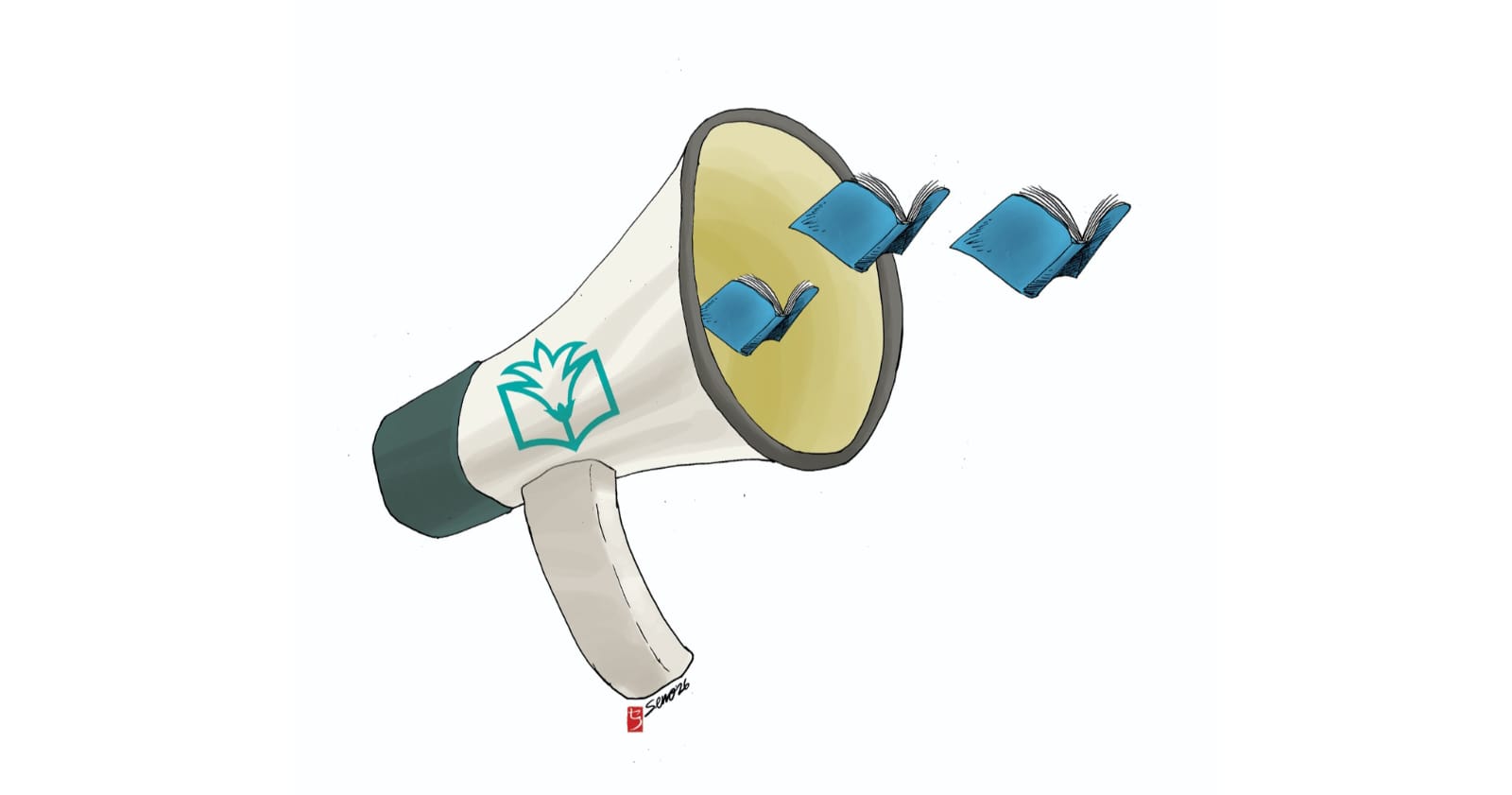
Twenty years in the pulse of education is but a moment. Yet for those who live it daily, it feels like a complete lifespan filled with tears, laughter, and selfless struggle. In July 2026, Sekolah Sukma Bangsa will be exactly two decades old. This age is not merely a number, but a measure to gauge its breath: whether the spirit of humanity instilled at the beginning still feels warm, or whether it has begun to fade under the weight of routine and administrative figures. Before we take pride in the buildings that stand and the alumni spread across the nation, let us remember where it all began. Celebrating a journey without recalling its starting point is like sailing without a compass.
Born from grief, the school’s origins lie in the devastating waves that swept Aceh on 26 December 2004. Hundreds of thousands of lives were lost, schools were razed to the ground, and 7,000 teachers disappeared. The ‘Dompet Indonesia Menangis’ (Crying Indonesia Wallet) campaign galvanised solidarity. Donations from Media Group were channelled into building schools. On 14 July 2006, President SBY inaugurated Sekolah Sukma Bangsa in Lhokseumawe, Bireuen, and Pidie. At the time, ‘Sukma’ was an acronym for ‘Sekolah Unggulan untuk Kemanusiaan’ (Leading School for Humanity). However, the education team proposed removing the word ‘Unggulan’ (Leading) because excellence is an appreciation, not a claim. Thus, the name Sekolah Sukma Bangsa was born, with ‘Sukma’ meaning the soul or spirit of the nation.
Seeds were sown in wounded souls. The land of Aceh was devastated, but the deeper wounds were in the souls of children who had lost everything. It was there that Sukma began to plant its seeds. The first batch of students was recruited not based on grades, but through recommendations from community leaders, as their diplomas had been destroyed by the tsunami. They were victims of the tsunami, the conflict, and poverty, coming from 21 districts and cities. A total of 90 elementary, 180 junior high, and 180 senior high school students received full scholarships and were placed evenly across dormitories in Lhokseumawe, Pidie, and Bireuen. The initial conditions were harsh. Some children cried at the sound of splashing water, traumatised by the tsunami. Others were suspicious of one another, bearing the scars of conflict. Their average baseline test scores were below 30. Yet the teachers, selected from 1,020 applicants not only for academic ability but also for their sensitivity, embraced them. They taught until late at night, becoming a second family. Slowly, the seeds began to grow.
It was never just about the material. In every programme, whether in class, the dormitory, or extracurricular activities, teachers instilled honesty, a strong work ethic, and self-confidence. This was not theory; honesty was the very air they breathed daily. The ultimate test came during the 2009 National Exams. Sekolah Sukma only passed 30% of its students. But behind that figure was a touching story: a cross-school supervisor tried to give answers to a Sukma student. The student calmly refused, saying, ‘We are taught to be honest, not to cheat. Thank you.’ That child did not pass. We were sad, and the child was even sadder, but we were proud. His answer sheet was empty, but his heart was full of integrity. We, who had accompanied him day and night, knew that his journey from zero to that point was an extraordinary leap. He just needed more time, not because he was unintelligent, but because his path was different. At that moment, three years of fatigue were paid off, not by a certificate, but by the character that was formed. Those values had taken root and become their soul.
If honesty is the fortress within, humanity is its outward manifestation. For two decades, Sukma has proven that caring is not just a slogan, but a movement that transcends geographical boundaries and conflict. In 2016, ten Indonesian citizens were held hostage by Abu Sayyaf in the southern Philippines. A humanitarian team from Surya Paloh, involving Sukma leaders, was dispatched. A Sukma Foundation negotiator stayed in Mindanao for two months. The result: the ten hostages were freed, and 30 children from the Abu Sayyaf group were brought to Aceh, receiving four-year scholarships and graduating from high school in 2020. Sukma came not to judge, but to heal. Two years later, when an earthquake and liquefaction struck Central Sulawesi in 2018, Sukma built Sekolah Sukma Bangsa Sigi. Sixty students from the affected areas of Palu, Sigi, and Donggala were educated there, and now 40 junior and senior high school students have been graduated as the third cohort. When flash floods hit Aceh in late 2025, Sukma dispatched hundreds of education volunteers, including teachers, staff, and even senior high school students. After training, they were deployed to North Aceh, Tamiang, Central Aceh, and other areas to teach in emergency tents and provide trauma healing. Following the 2026 floods, Sukma recruited 60 new students for the Pidie and Bireuen dormitories, a déjà vu of twenty years ago. The mission of humanity never ends.
Two decades is not a short time. Sekolah Sukma Bangsa still stands, not because of magnificent buildings, but because of a strong foundation: values. Honesty, the 5S culture (Senyum, Salam, Sapa, Sopan, Santun—Smile, Greet, Address, Be Polite, Be Courteous), the 3No rule (No cheating, No bullying, No smoking), and a spirit of caring have become the DNA passed down from one generation to the next. The story of the student who chose failure over dishonesty in the 2009 National Exams was the first touchstone for the values we planted. However, we do not wish to live in past nostalgia. The challenges ahead are even greater: how to maintain sincerity amidst the digital onslaught, how to preserve sensitivity in the age of artificial intelligence, and how to ensure that ‘humanity’ remains the axis, not just a curriculum supplement. Therefore, at this 20-year milestone, the theme ‘From Aceh for Indonesia: Istiqomah in Nurturing Honesty and Humanity’ is not merely ceremonial. It is an acknowledgement of the journey travelled, and a commitment to go further. It is a reminder that what began from Aceh’s grief, from emergency schools amidst the rubble, now belongs to Indonesia, and indeed, to humanity itself. Twenty years ago, we built a school for children who had lost everything. Today, that school is giving birth to a generation that is intelligent, honest, and compassionate. Tomorrow, we will continue to nurture them.