
Aceh Experiences Transitional Season, 34°C Heat Interspersed with Light Rain
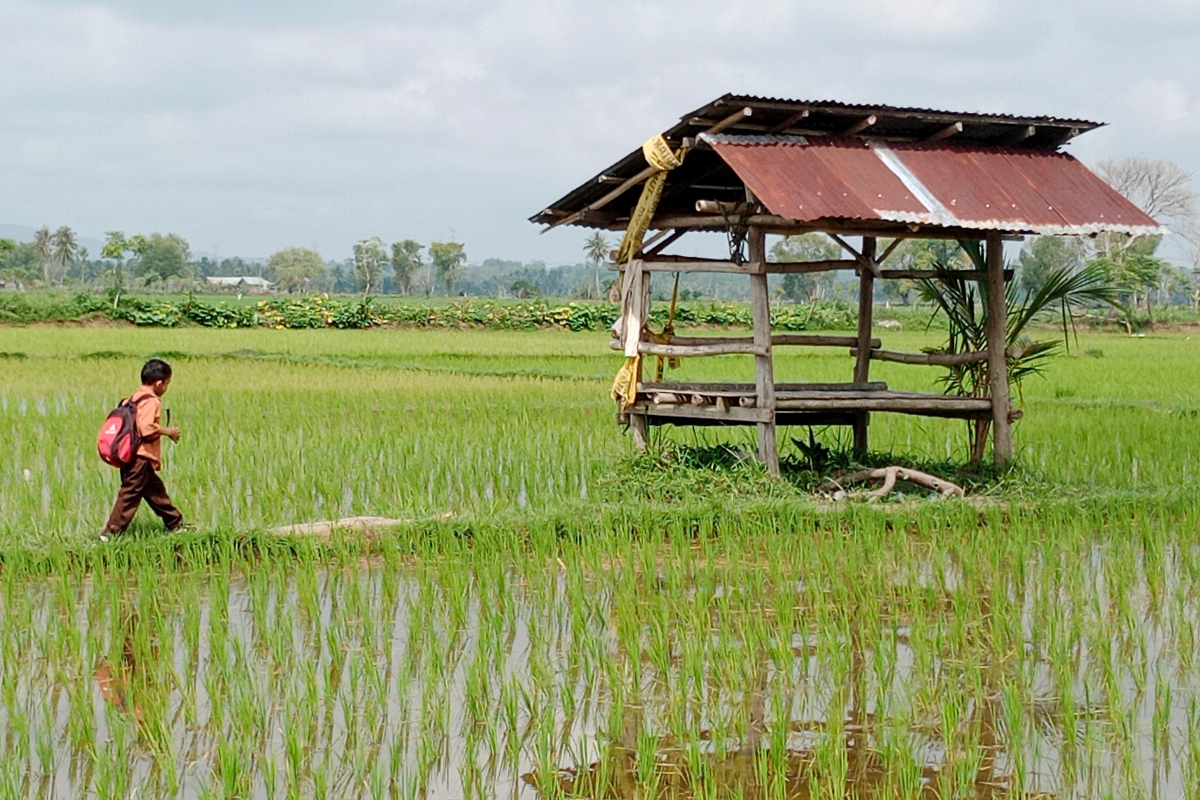
Amid the El Niño phenomenon, the Aceh Province region is currently experiencing a transitional season. Air temperatures reaching a hot 34 degrees Celsius are still interspersed with light rain. This is thought to be part of the process of changing weather from the wet season (La Niña) to the dry season (El Niño). Sometimes during the day it is scorched by the sun, then in the afternoon or evening it is drenched by light rain. “This is part of the seasonal change process. It could also be a shift in the El Niño phenomenon, which we predicted would occur this month, but has shifted to August and September,” said Professor Sugianto, Dean of the Faculty of Agriculture at Syiah Kuala University (USK). The professor, an expert in the use of geospatial technology (remote sensing) for land mapping, fertility, and environmental analysis, explained that in facing the El Niño phenomenon, the government must be alert to the threat of drought or water crisis. For example, for rice paddy fields, it is necessary to prepare pump-based irrigation systems. Furthermore, maintaining the continuity or availability of adequate water sources for paddy fields is crucial, including maintaining and preparing the water discharge of reservoirs. “Farmers must also preserve water sources and not be wasteful in using water. Supporting water discharge sources to slow down drought must also be maintained together, whether in irrigation areas or other locations such as small swamps around agricultural land,” said Prof. Sugianto. Observations indicate that since early June, the weather in Aceh has often been unstable. During the day, it is often hit by hot temperatures, then occasionally light to moderate rain occurs. Worse still, due to these conditions, some residents have reported suffering from fever and colds. Meanwhile, the water discharge of mainstay rivers for technical irrigation has continued to shrink over the past three weeks. In Pidie Regency, for example, the water discharge of the Krueng Baro, Krueng Tiro, and Krueng Reubee rivers is decreasing.