
Account Freezes and Asset Seizures: South Jakarta Tax Office Secures Rp 681 Billion
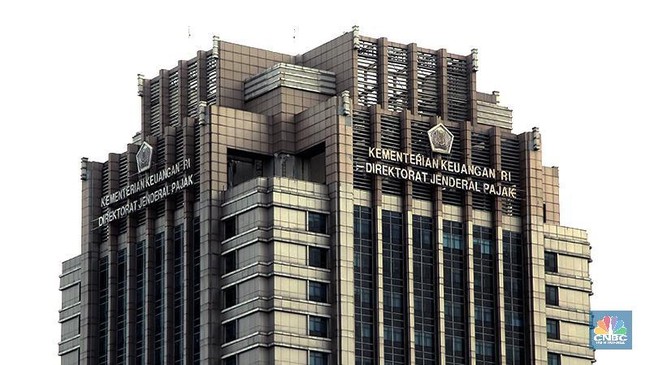
The South Jakarta I Regional Office of the Directorate General of Taxes (Kanwil DJP Jakarta Selatan I) has successfully secured Rp681.1 billion during the first half of 2026 through tax debt collection efforts.
These active collection measures included freezing the bank accounts of tax delinquents, seizing assets followed by subsequent auctions, and implementing travel bans on taxpayers who have not settled their obligations.
“All these collection actions have successfully secured state revenue of Rp68<0xA0>billion,” stated the Head of Kanwil DJP Jakarta Selatan I, Arif Mahmudin Zuhri, in a written statement on Thursday (2/7/2026).
Regarding account freezing efforts, the South Jakarta I Tax Office carried out this action against 57 taxpayers, involving values exceeding Rp80 billion during the January-June 2026 period.
In accordance with the Law on Tax Collection with Distress Warrants, tax collection is a series of actions intended to ensure that taxpayers settle their tax debts and collection costs. This includes issuing warnings, performing immediate and simultaneous collection, notifying Distress Warrants, proposing travel bans, executing seizures, conducting hostage-taking (gijzeling), and selling seized goods.
Tax collection is initiated if the tax liability is not settled by the due date. The first stage begins with the delivery of a Warning Letter, issued within 7 days of the tax liability’s due date.
If the taxpayer still fails to settle the debt within 21 days, the DJP issues a Distress Warrant. If the taxpayer shows no good faith within 2x24 hours thereafter, the DJP will issue a Warrant to Execute Seizure (SPMP) and proceed with the seizure or freezing of accounts.
Based on Minister of Finance Regulation number PMK 61 of 2023 regarding the Procedures for Tax Collection of Outstanding Tax Amounts, freezing is a security measure for assets owned by taxpayers managed by Financial Service Institutions, other Financial Service Institutions, and/or other entities.
Freezing includes bank accounts, securities sub-accounts for securities firms and custodian banks, insurance policies for insurance companies, and/or other financial assets, with the aim of ensuring no changes occur to the assets, other than an increase in value.
Taxpayers are given 14 days to settle their tax debts after a freeze or seizure has been implemented. If the debt remains unpaid, the DJP will issue an auction announcement and proceed with the auction or sale of seized goods within 14 days of the announcement.
Where necessary, the DJG may implement travel bans based on the considerations of relevant parties. Under the Law on Tax Collection with Distress Warrants, a travel ban is a temporary prohibition against certain taxpayers leaving the territory of the Republic of Indonesia for specific reasons in accordance with statutory regulations.
Travel bans can be implemented if a taxpayer has a tax debt of at least Rp100 million and their good faith in settling the debt is in doubt. Such bans can be enforced for a maximum of six months.
During the first half of 2026, the South Jakarta I Tax Office issued Distress Warrants for 25,243 tax liabilities. Following these efforts, unpaid debts were escalated to account freezing or seizures.
Throughout the first half of 2026, the South Jakarta I Tax Office conducted 208 seizure actions. Additionally, the office carried out 80 sales of seized goods.
For taxpayers meeting specific criteria who are deemed at risk of leaving Indonesia, travel bans were applied. In 2026, travel bans were implemented against five taxpayers involving six individual persons.
Source: jawawa.id (https://jawawa.id/newsitem/account-freezes-and-asset-seizures-south-jakarta-tax-office-secures-rp-681-billion-1782982297)
Originally published by CNBC Indonesia (https://www.cnbcindonesia.com/news/20260702141339-4-747520/blokir-rekening-sita-aset-penunggak-pajak-djp-jaksel-kantongi-rp681-m), translated from Indonesian